
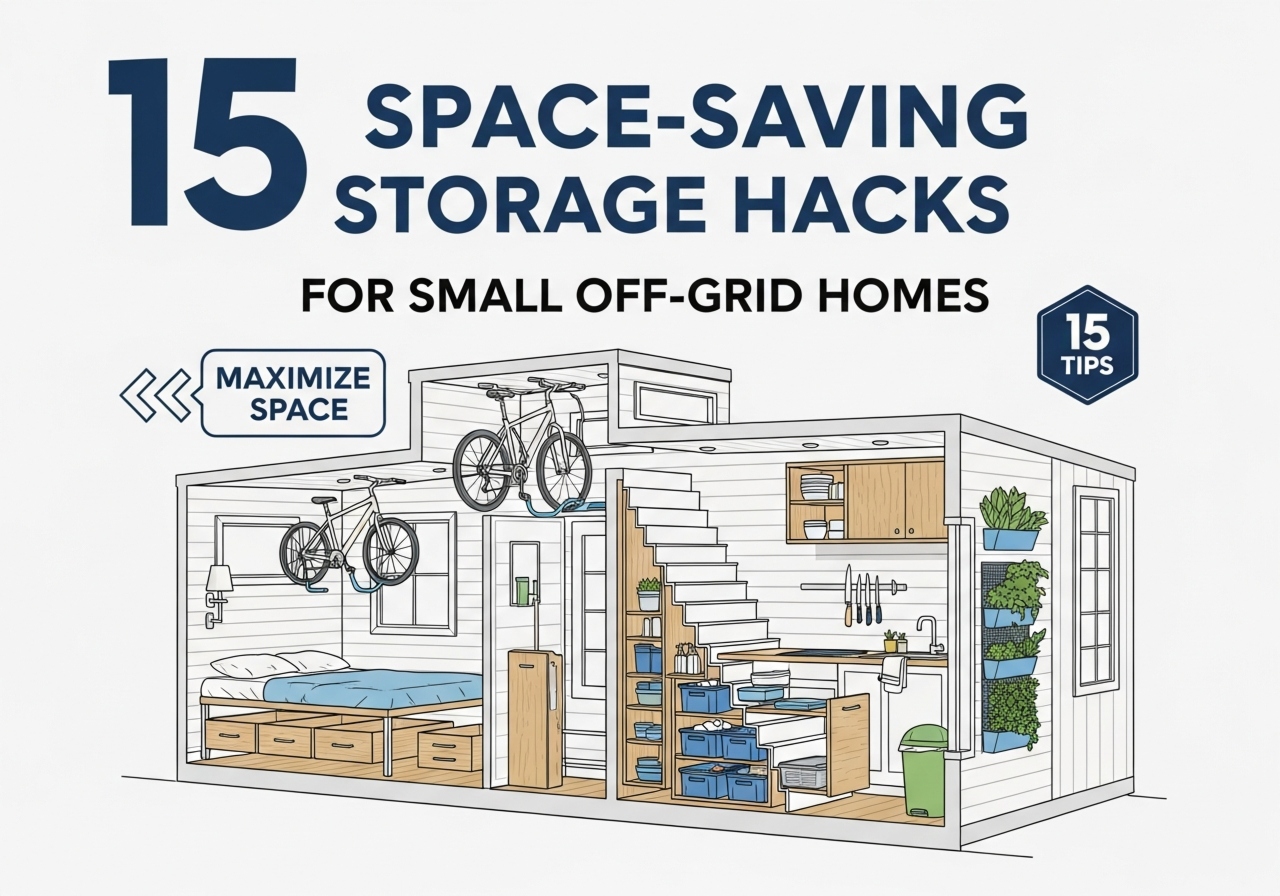
Are you trying to make the most of every square inch in your small off‑grid home without sacrificing comfort or functionality?
15 Space‑Saving Storage Hacks For Small Off‑Grid Homes
Living off the grid often means dealing with limited space, less frequent trips to stores, and a need for efficient organization. These 15 practical hacks will help you maximize storage in tiny cabins, vans, tiny homes, or remote cottages so your possessions stay accessible, protected, and tidy.
Principles for efficient off‑grid storage
Before you start installing shelves and cabinets, it’s useful to understand a few core principles. You’ll save time and effort if you approach storage with intentionality: prioritize multi‑use solutions, use vertical volume, protect items from moisture and pests, and keep frequently used items within easy reach.
- Prioritize multi‑function: Choose furniture and containers that serve more than one purpose.
- Use vertical space: Walls and high ceilings offer untapped storage potential.
- Protect from elements: Off‑grid homes face humidity and critters, so sealed containers and good airflow are essential.
- Rotate and cull: Keep an inventory mindset—store essentials and periodically remove items you don’t use.
How to decide what to store where
Choosing where to place items depends on frequency of use, weight, fragility, and environmental sensitivity. Keep daily items near work areas, heavy items low for safety, and sensitive items in climate‑protected spots.
- Daily use: Near prep areas, entryways, or bed.
- Occasional use: Higher shelves or lofts.
- Seasonal or emergency items: Clearly labeled, accessible but not in the way.
- Sensitive items (paper, electronics, seeds): Airtight bins in a cool, dry spot.
Quick tip on labeling and tracking
Label everything clearly and keep a simple inventory list that you update when you add or remove items. This saves trips and prevents overbuying when you have limited resupply opportunities.
1. Build up: floor‑to‑ceiling modular shelving
Using the full height of your walls multiplies your storage capacity without expanding the footprint. Modular shelving systems allow you to change shelf height as your storage needs shift, and you can secure them to studs for earthquake or storm resilience.
- Install adjustable shelves: Use brackets with slotted uprights or track systems to adjust spacing.
- Use baskets and bins: Group smaller items to prevent clutter and make removal easy.
- Safety: Anchor tall units to wall studs and place heavy items at the bottom.
2. Create lofted sleeping/storage zones
A loft bed frees floor space while offering under‑bed storage for large containers, gear, or a tucked‑away living area. In very small homes, lofting the bed also creates visual separation between rest and work zones.
- Design considerations: Ensure safe access (ladder or steps) and enough headroom.
- Under‑loft use: Put drawers, stackable totes, or even a small workbench underneath.
- Ventilation: Lofts can trap heat; plan vents or a fan to maintain comfort.
3. Convert stairs into drawers and cubbies
If you have a staircase to a loft or platform, make each step a pull‑out drawer or hidden cubby. This turns an otherwise wasted vertical connector into highly functional storage for tools, clothing, or food.
- Construction tips: Build drawers with solid bottoms and reinforced runners.
- Organization: Dedicate steps to categories—kitchen, tools, linens.
- Weight distribution: Keep the heaviest items in lower steps for stability.
4. Use the backs of doors and inside cabinet doors
The backs of doors are ideal places for thin storage that doesn’t eat into living space. From spice racks to shoe organizers, you can hang an array of items that are easy to grab and stow.
- What to store: Shoes, cleaning supplies, pot lids, utensils, small tools.
- Hardware: Use over‑the‑door racks, adhesive pockets, or custom wooden frames.
- Keep it ventilated: Avoid trapping moisture against the door; opt for breathable mesh or slatted holders for damp items.
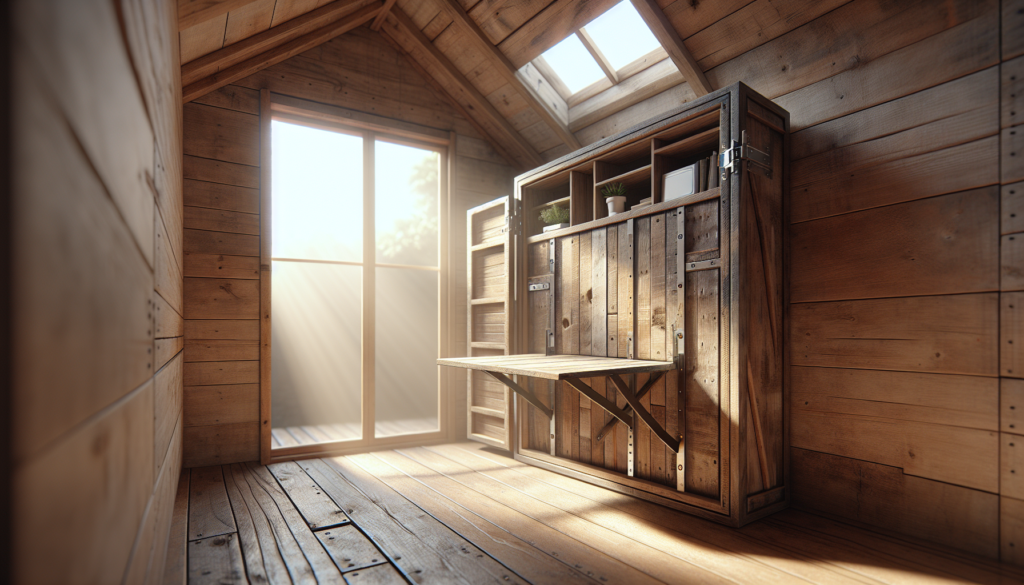
5. Install fold‑down tables and work surfaces
Fold‑down furniture gives you a full tabletop when you need it and clears the space when you don’t. This is perfect for kitchens, workstations, and craft areas in compact living spaces.
- Mounting: Use sturdy piano hinges and fold‑out legs or brackets for support.
- Material choice: A durable, lightweight wood or plywood with a waterproof finish is ideal.
- Multi‑function: Add drawer space above or below to create a compact workstation.
6. Use hidden storage under benches and seats
Benches with hinged tops or slide‑out drawers turn seating into valuable storage for linens, food, or gear. This is a cosy and practical way to combine seating and storage without waste.
- Weatherproofing: Line interiors with plastic or sealed wood to protect contents.
- Access: Hinged lids are great for occasional access; drawers are better for frequent use.
- Cushion design: Make cushions removable for easy access and cleaning.
7. Keep kitchen supplies in stackable, transparent containers
Stackable containers reduce wasted vertical air and make it easier to see what you have. Transparency saves you from opening each container and helps manage supply levels for irregular resupply cycles.
- Material: BPA‑free plastic or glass with airtight lids for long term storage.
- Labeling: Use waterproof labels and note best‑by dates if you rotate bulk goods.
- Space tip: Use uniform sizes so stacks remain stable and efficient.
8. Hang pots, pans, and utensils from ceiling rails
Ceiling or wall rails free cabinet space and keep commonly used cookware at hand. Hanging systems work particularly well in tiny kitchens where cabinet volume is minimal.
- Load capacity: Secure rails to ceiling joists and use sturdy S‑hooks.
- Arrangement: Group by frequency—daily items closest to the stove.
- Safety: Keep hot surfaces in mind and avoid hanging above narrow walkways.
9. Use multi‑purpose furniture: tables with storage, ottomans, sofa beds
Furniture that doubles as storage is essential in small homes. A table with internal storage or an ottoman that hides blankets and gear gives you flexibility without clutter.
- Choosing pieces: Look for easy access and robust construction.
- Placement: Put storage furniture in high‑traffic but non‑obstructive places.
- Style tip: Match pieces visually to avoid making the space feel like a warehouse.
10. Create a pantry wall with pull‑out shelves
A pull‑out pantry uses narrow vertical space effectively and gives full visibility to stored goods. You can replicate a commercial pull‑out with DIY sliding frames or buy compact pre‑built units.
- Width planning: Even 12–18 inches of width can hold many canned goods.
- Mechanism: Use full‑extension slides for easy access to the back.
- Moisture control: Store dry goods in sealed containers within the pull‑out to keep pests out.
11. Make use of corners with triangular shelves and lazy Susans
Corners are frequently overlooked but can become storage heroes with the right hardware. Triangular shelving and rotating lazy Susans provide access without awkward reach zones.
- Placement: Kitchens and utility areas benefit most, but corners in living areas can hold books or decor.
- Weight limits: Use robust brackets for heavy items.
- Organization: Use small bins on shelves or lazy Susans for categorized storage.
12. Install pegboards for tools and small items
Pegboards are an affordable, flexible way to arrange tools, kitchen utensils, cords, and crafting supplies. You can rearrange hooks and baskets as your needs change.
- Surface: Paint or seal the pegboard to resist moisture and rot in humid environments.
- Hook variety: Invest in multiple hook sizes and small baskets for loose items.
- Visibility: Hang frequently used items at eye level and group similar items together.
13. Create sealed outdoor storage for bulky or dirty items
Outdoor storage sheds, boxes, or under‑deck storage keep boots, firewood, and gardening tools out of your living area. Proper sealing and airflow will protect contents from moisture and pests.
- Materials: Use treated lumber, metal, or heavy‑duty plastic for durability.
- Placement: Elevate off the ground and add ventilation to reduce condensation.
- Security: Lockable latches help protect tools and fuel from wildlife and theft.
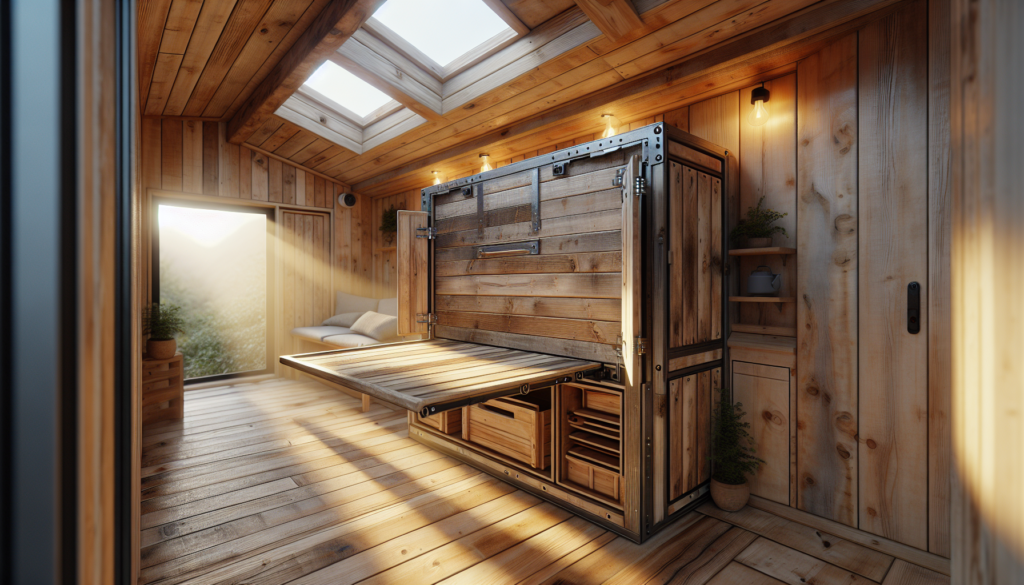
14. Use vacuum storage bags for seasonal textiles
Vacuum bags drastically reduce the volume of bulky bedding, winter clothing, and soft goods. They’re especially helpful for saving space and protecting fabrics from dust and mildew in off‑grid conditions.
- Best practice: Clean and dry textiles thoroughly before sealing to prevent mildew.
- Storage location: Keep vacuum‑sealed bags in a cool, dry area away from direct sunlight.
- Reuse tip: Choose high‑quality bags and repair small punctures with heavy tape.
15. Build custom nooks: wall niches, recessed shelves, and cubbies
Custom nooks make use of wall cavities and awkward spaces to create seamless storage that looks built‑in. Recessed shelves work well in bathrooms, hallways, and above beds without diminishing room flow.
- Planning: Identify stud and pipe locations before cutting into walls.
- Finish: Match trim and paint to surrounding walls for an integrated look.
- Purpose: Use niches for books, spices, electronics docking stations, or decorative storage.
Comparison table: which hack fits your needs?
This table helps you quickly match hacks to your priorities—cost, difficulty, and best rooms to implement them.
| Hack (number) | Best for room(s) | Difficulty | Approx. cost | Space impact |
|---|---|---|---|---|
| 1. Modular shelving | Living, kitchen, storage room | Medium | $50–$400 | High |
| 2. Lofted zones | Bedroom, studio | High | $200–$2,000 | Very high |
| 3. Stair drawers | Loft access | Medium–High | $100–$800 | High |
| 4. Door backs | Throughout | Low | $5–$50 | Medium |
| 5. Fold‑down tables | Kitchen, office | Medium | $30–$300 | Medium |
| 6. Under‑bench storage | Living, entryway | Medium | $50–$500 | High |
| 7. Stackable containers | Kitchen, pantry | Low | $10–$200 | High |
| 8. Hanging rails | Kitchen | Low–Medium | $20–$100 | Medium |
| 9. Multi‑purpose furniture | Living, bedroom | Medium | $100–$1,000 | Medium–High |
| 10. Pull‑out pantry | Kitchen | Medium–High | $100–$700 | High |
| 11. Corner shelving | Kitchen, living | Low–Medium | $20–$200 | Medium |
| 12. Pegboard | Workshop, kitchen | Low | $15–$100 | Medium |
| 13. Outdoor storage | Exterior | Medium | $50–$1,500 | High |
| 14. Vacuum bags | Bedroom, storage | Low | $10–$100 | High |
| 15. Wall niches | Hall, bathroom, kitchen | Medium–High | $50–$800 | High |
Tools and materials checklist
When you start implementing these hacks, having the right tools and basic materials makes the job faster and safer. Here’s a compact list to refer to.
| Category | Examples |
|---|---|
| Fastening | Screws, anchors, lag bolts, construction adhesive |
| Cutting | Circular saw, jigsaw, hand saw |
| Measuring | Stud finder, tape measure, level |
| Hardware | Hinges, drawer slides, cabinet brackets, pegboard hooks |
| Finishing | Paint, sealant, weatherstripping |
| Storage supplies | Airtight bins, vacuum bags, baskets, S‑hooks |
Moisture, pests, and temperature: protecting stored items
Off‑grid homes can be more exposed to moisture swings, pests, and temperature changes, so protecting items is vital. Use breathable but protective storage for textiles, sealed containers for food, and elevated storage to keep items off cold or damp floors.
- Pest control: Keep food in metal or heavy plastic containers; avoid cardboard for long term.
- Humidity control: Use desiccant packs and silica gel for important papers and electronics.
- Temperature‑sensitive items: Store seeds, medicines, and batteries in temperature‑stable zones.
Prioritizing what to store on‑site vs off‑site
With limited space, you’ll need to choose wisely what stays in your off‑grid home. Keep essentials that support daily living, emergency kits, and multi‑use tools. Consider off‑site storage for rarely used or bulky items if you have periodic access to a second location.
- Essentials: Food, water, first aid, basic tools.
- Convenience items: Seasonal clothing, spare bedding.
- Bulky/rarely used: Construction materials, specialized equipment—store off‑site if possible.
Organizational systems for long‑term coherence
A few habits and small systems will help you maintain order and prevent the re‑accumulation of stuff. Commit to weekly quick checks, seasonal sorting, and a simple labeling system that everyone in your household understands.
- Label zones: Mark shelves and bins clearly.
- Routine: Pick a day each month for decluttering and inventory updates.
- One‑in, one‑out: If you bring in a new non‑essential item, remove one old item to avoid expansion.
Quick maintenance checklist
Keeping storage functional means regular maintenance. Here are a few actions to schedule quarterly or seasonally:
- Inspect seals and lids for airtight bins.
- Check for signs of pests or moisture in stored goods.
- Test ladder and railing attachments for safety.
- Refresh desiccants and replace batteries.
Cost‑saving tips for budget builds
Off‑grid living often means keeping expenses low. Salvaged materials, upcycled furniture, and community swapping can dramatically reduce costs while yielding unique, effective storage.
- Upcycle: Turn old dressers into kitchen islands or repurpose pallets for shelving.
- Buy secondhand: Look for used cabinets, pegboards, and hardware at thrift stores.
- DIY where safe: Build your own shelves or under‑bench storage with basic tools and plans.
Safety considerations
Safety should guide every structural modification in a small home. Secure tall units to studs, ensure lofts have proper guardrails, and use non‑combustible materials near stoves and heaters.
- Fire safety: Keep flammable storage away from heat sources and install smoke detectors with battery backups.
- Structural safety: Check load calculations for shelves and lofts and consult a professional if unsure.
- Access safety: Make sure storage doesn’t block exits or create tripping hazards.
Small changes that make a big difference
Sometimes the simplest measures yield the most benefit—adding a couple of hooks by the door, changing container sizes, or rearranging a shelf can free up surprising amounts of space. These micro‑improvements add up to a more comfortable, functional off‑grid life.
- Hooks and rails: Install by entries and workstations for quick stowage.
- Consolidate: Combine partial containers to eliminate wasted space.
- Rethink layout: Move the most used items closer to their point of use.
Final thoughts: balance functionality with comfort
You’ll find that efficient storage isn’t just about cramming things in—it’s about making your home work for the way you live. As you implement these hacks, prioritize ease of access, protection from the elements, and solutions that fit your daily rhythm. That way, you’ll have a tidy, resilient home without sacrificing the peace that drew you to off‑grid living.
If you want, you can tell me which rooms or spaces are most constrained in your home and I’ll suggest a tailored plan with specific dimensions, materials, and a prioritized implementation order to fit your budget and skills.