Would you like to cook reliably off‑grid without using gas or electricity?
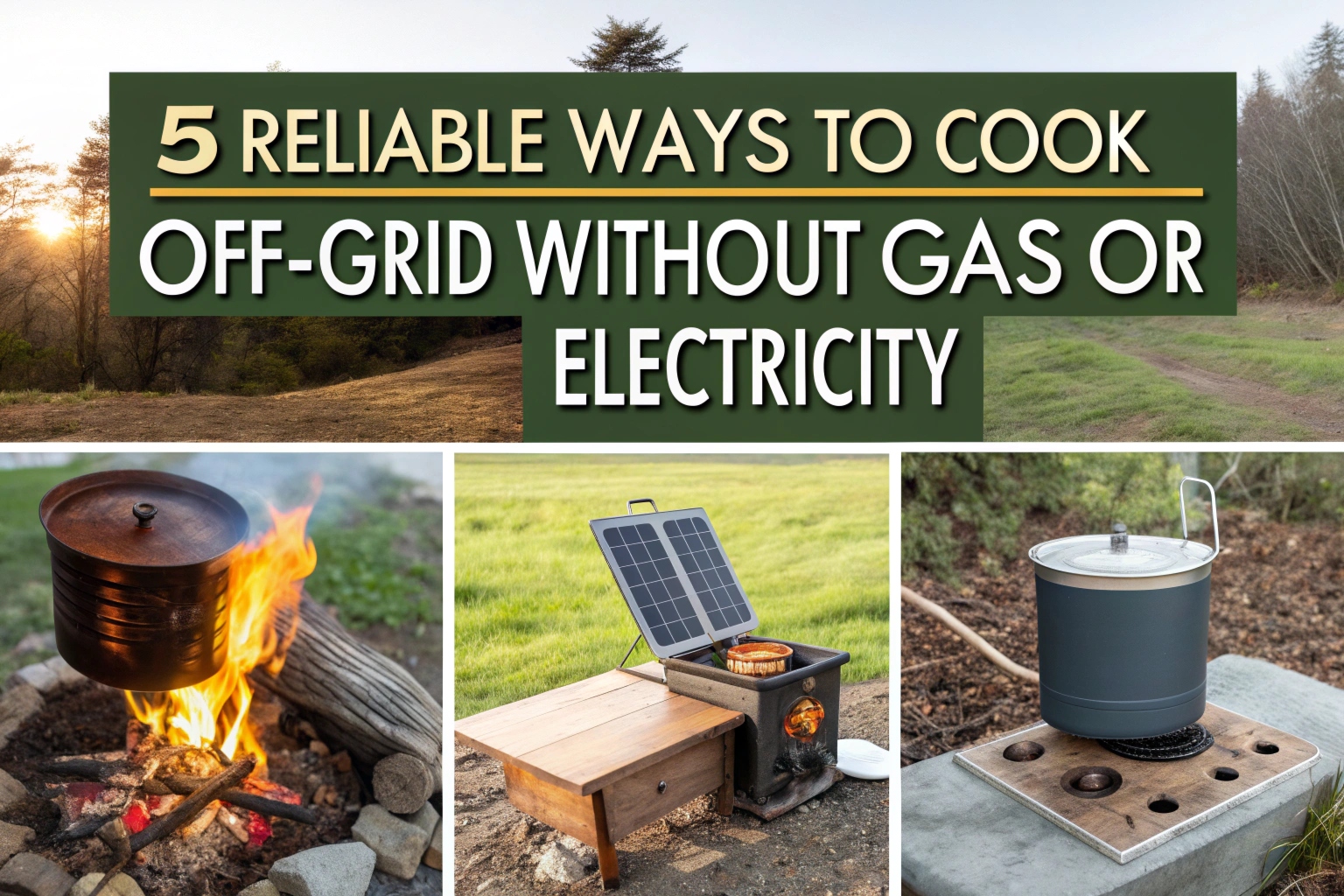
5 Reliable Ways To Cook Off‑Grid Without Gas Or Electricity
If you want to prepare hot, nutritious meals away from the grid, you have dependable options that don’t rely on gas or electricity. This guide covers five reliable methods, with clear instructions, safety tips, gear recommendations, and practical recipes so you can use each method with confidence.
Below you’ll find detailed sections for each method plus comparison tables, maintenance tips, cooking techniques, and a helpful FAQ. Read through the practical advice and choose the approach that fits your situation — whether you’re camping, living in an off-grid cabin, or preparing for emergencies.
Overview: Why cook off‑grid without gas or electricity?
Cooking without grid power or gas is practical, sustainable, and often cost‑effective. You can reduce dependence on fossil fuels, increase resilience during outages, and take advantage of renewable or locally available fuels. Each method has tradeoffs in speed, fuel availability, portability, and the kinds of meals you can make.
You’ll want to consider your priorities — portability for camping, efficiency for daily living, or long‑term sustainability — when selecting a method.
Quick comparison of the five methods
This table summarizes the five methods to help you pick the best fit for your needs.
| Method | Typical Fuel | Portability | Skill Level | Typical Uses | Pros | Cons |
|---|---|---|---|---|---|---|
| Solar oven | Sunlight | High for panel ovens, moderate for box | Easy | Low‑temperature roasts, slow cooking, baking | No fuel cost, safe, clean | Depends on sun; slower |
| Rocket stove | Dry wood, biomass | Moderate | Moderate | Boiling, frying, stews | Efficient, fast heat, less smoke | Needs dry fuel, small cook surface |
| Wood‑burning stove (potbelly/woodstove) | Firewood | Low (permanent) | Easy to moderate | Full kitchen cooking, baking with accessories | High heat, multi‑purpose heating | Requires ventilation, chimney |
| Dutch oven over coals | Charcoal, wood coals | Moderate | Moderate | Stews, breads, roasts, desserts | Versatile, great for baking and roasting | Requires coal management |
| Alcohol/solid fuel stoves | Denatured alcohol, hexamine tabs | High | Easy | Boiling, simple meals, emergency | Lightweight, reliable, clean burning | Lower heat, fuel availability issues |
Now you’ll get detailed coverage of each method so you can use it safely and effectively.
1. Solar Ovens
Solar ovens use sunlight to trap heat, functioning like a small greenhouse. They’re great for slow cooking, baking, and reheating. If you have reliable sun, solar ovens are simple and extremely low cost to operate.
How solar ovens work
Solar ovens concentrate sunlight with reflective panels or a clear lid. Sunlight enters and is absorbed by the dark interior and cookware, converting to heat. Insulation reduces heat loss, allowing internal temperatures to reach 250–400°F (120–205°C) depending on design and sun strength.
You’ll see two common types: box ovens (insulated with glass or plastic lids) and panel ovens (folding reflectors). Panel ovens are lightweight and portable; box ovens hold higher and more stable temperatures.
What you can cook
You can bake breads, roast meats at low temperature, simmer soups, and reheat foods. Foods that benefit from slow, steady heat — beans, casseroles, stews, rice, and baked goods — perform best. Fast searing or high‑temperature frying is not practical.
Suggested uses:
- Slow‑roasted chicken or vegetables
- Casseroles and baked pasta
- Breads and muffins
- Slow‑cooked beans
Setting up and using a solar oven
- Position the oven facing the sun; angle the reflectors for maximum direct sunlight.
- Preheat for 15–30 minutes if possible.
- Use dark, lidded cookware to absorb heat efficiently.
- Monitor temperature with a simple oven thermometer; adjust reflectors every 20–30 minutes as the sun moves.
- Use an insulated pad to reduce heat loss from the bottom if surface is cool.
Pros and cons
Pros:
- No fuel cost and minimal maintenance
- Safe and clean — no combustion
- Excellent for long, unattended cooking
Cons:
- Dependent on clear skies and daylight
- Slower cooking times
- Limited high‑heat capability
Practical tips
- Use cookware with tight lids to retain moisture.
- Plan meals for sunny days; have a backup method for cloudy weather.
- Build or buy a solar oven with good insulation and robust reflectors.
- Keep a thermometer to judge performance.
Example recipe: Solar oven chili
- Brown onions and garlic on a small portable stove or use precooked browned meat.
- Combine beans, diced tomatoes, spices, meat, and a small amount of broth in a dark pot with lid.
- Place in solar oven for 4–6 hours at 250–300°F, stirring once or twice.
- Adjust seasoning before serving.
2. Rocket Stoves
Rocket stoves are compact combustion systems designed for efficient, high‑temperature burning of small sticks and biomass. You’ll find them excellent for quick boiling, frying, and other high‑heat tasks.
How rocket stoves work
Rocket stoves rely on a vertical insulated combustion chamber and a horizontal feed tube. The insulation keeps the fire hot, producing more complete combustion with less smoke. The design directs heat to a small pot surface, maximizing fuel efficiency.
What you can cook
Rocket stoves reach boiling temperatures quickly and are suitable for frying, sautéing, searing, boiling water, and most pot‑based cooking. They’re not ideal for baking without additional accessories.
Common uses:
- Boiling water for purification or cooking
- Stir‑fries, pancakes, eggs, and quick sautés
- One‑pot meals and soups
Fuel and fuel preparation
Use small, dry sticks, twigs, and other biomass. Little or no splitting is required if sticks are the right size. For longer burn times, use a combination of small kindling to start, adding slightly larger sticks as the fire stabilizes.
Fuel tips:
- Use dry wood for fast ignition and low smoke.
- Avoid green wood and damp leaves — they produce smoke and reduce heat.
- Bundle fine twigs as emergency tinder.
Building or buying a rocket stove
You can buy compact metal rocket stoves or build one from a tin can, bricks, or rocket stove kits. When building, use insulating material like perlite or clay in the combustion chamber for efficiency.
Operation steps
- Place the stove on a stable, heat‑resistant surface.
- Feed small dry sticks into the fuel intake and light the tinder.
- Once the combustion chamber is hot, add larger sticks gradually.
- Position your pot directly over the heat collar for efficient transfer.
- Adjust fuel feed to control heat.
Safety
- Keep the stove away from flammable materials and overhead obstructions.
- Use pot holders — metal parts get hot.
- Extinguish remaining embers after cooking, and store ashes safely.
Pros and cons
Pros:
- Extremely fuel efficient
- Quick to reach cooking temperatures
- Portable models available
Cons:
- Requires dry biomass
- Limited cooking area for large pots or multiple pans
- Some initial learning for optimal fuel feed
Example recipe: One‑pot rice and vegetables
- Sauté chopped onions and carrots in a small splash of oil until softened.
- Add rice, water (1:2 rice to water), and diced tomatoes or seasoning.
- Bring to a boil, reduce heat by controlling fuel, and simmer 15–20 minutes until water is absorbed.
- Stir and serve.
3. Wood‑Burning Stoves (Indoor/Outdoor) — Potbelly, Woodstove, and Rocket‑Bolt Stoves
Wood‑burning stoves offer a central heat source and a steady cooking surface, suitable for cabin life or long‑term off‑grid households. They can heat your living space and provide reliable cooking options.
How wood‑burning stoves function
A wood stove burns logs inside a firebox. Heat is radiated from the stove body and transferred to pots on top. Some models include ovens or flat cooktops. Proper installation requires a chimney or flue for smoke ventilation.
Types and features
- Potbelly stoves: Traditional durable designs, good for heat and cooking.
- Modern wood stoves: Efficient, cleaner burning with air control.
- Masonry stoves: Retain heat and radiate for long durations.
- Combined cookstoves: Include oven compartments for baking.
Choose a model rated for cooking and matching your space constraints and heating needs.
Cooking applications
You’ll be able to simmer stews, boil, fry, and bake with proper accessories. With a woodstove, you can maintain a simmer for hours and bake using cast iron or baking sheets.
Good uses:
- Long stews and braises
- Baking bread using Dutch ovens or loaf pans
- Cooking multiple pots at once
Installation and ventilation
- Install with a properly sized chimney to ensure draft.
- Use heat shields and maintain recommended clearances from combustibles.
- Install carbon monoxide detectors in living spaces where you use combustion appliances.
Fuel management
Seasoned hardwood provides long, hot burns. Softwoods burn faster but are useful for quick fires. Store wood in a dry, ventilated area to maintain fuel readiness.
Pros and cons
Pros:
- Provides both heat and cooking surface
- Works in cloudy or winter conditions
- Can cook many dishes, including baking
Cons:
- Requires permanent installation and venting
- Needs steady fuel supply and maintenance (ash removal, chimney cleaning)
- Not as portable
Practical tips
- Use cast iron cookware to use the heat evenly and retain warmth.
- Keep a small kettle of water on the stove to humidify indoor air during winter.
- Learn to control air inlets for simmering vs. high heat.
Example technique: Baking bread on a woodstove
- Preheat the stove so the top is evenly hot.
- Use a Dutch oven or loaf pan with a lid and preheat it on the stove.
- Place dough in the preheated vessel and set on the stove surface or inside the stove’s oven if available.
- Use embers or controlled heat to maintain about 375°F until baked.
4. Dutch Oven Cooking Over Coals
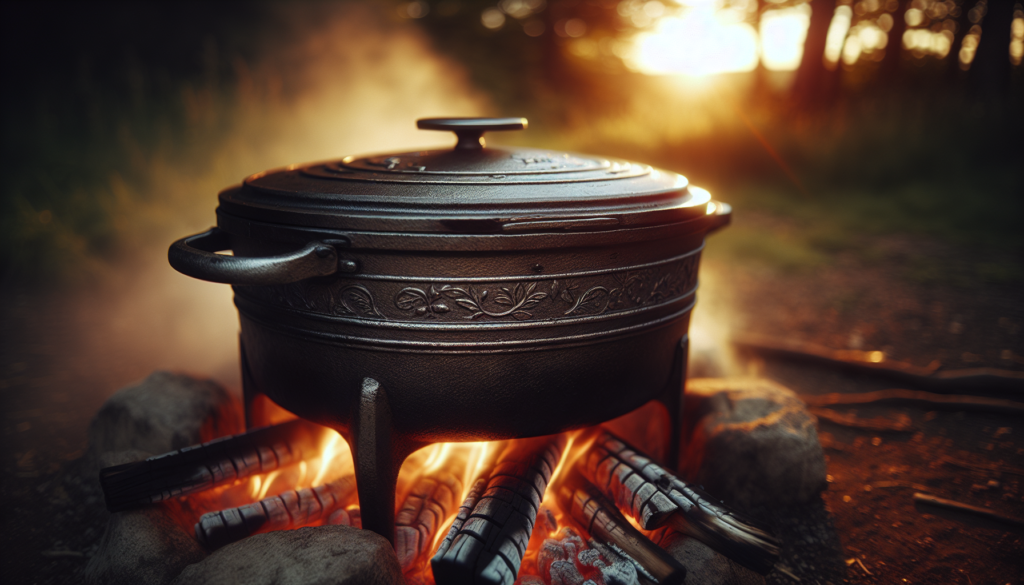
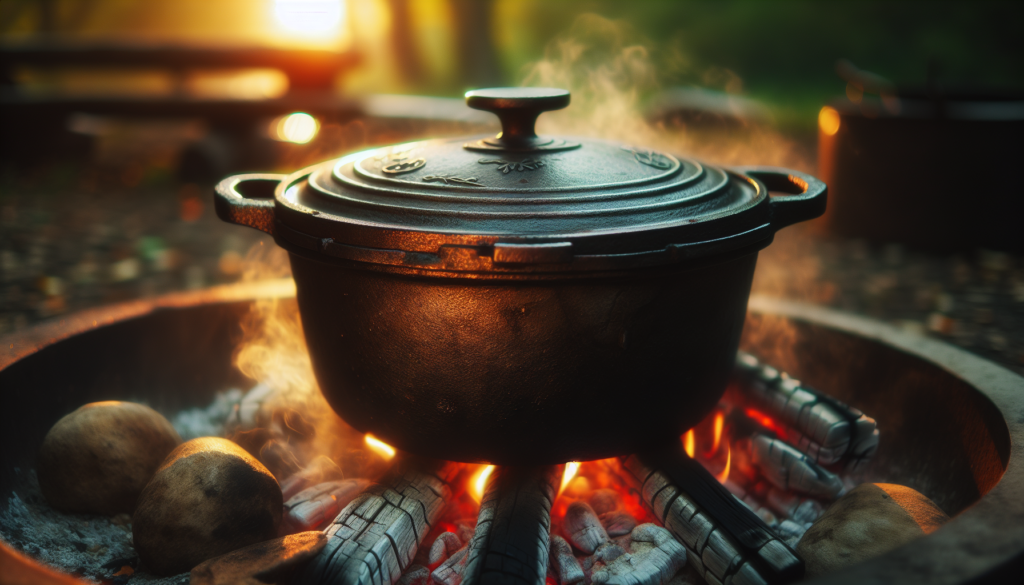
A cast iron Dutch oven combined with coals or embers provides versatile, reliable cooking for baking, roasting, simmering, and frying. You’ll use coals both under and on top of the oven lid to create even heat similar to an oven.
How it works
Cast iron holds and distributes heat evenly. By arranging hot coals under the pot and on the lid, you create a two‑sided heat source that bakes and roasts much like an oven. This method is popular for outdoor gatherings and long‑camp cooking.
Fuel sources
You can use charcoal briquettes, lump charcoal, or wood embers. Charcoal offers predictable temperature control, while wood embers are available if you have a campfire.
Temperature guidelines (approximate by number of coals):
- Low (250–300°F): 8–12 coals (for a 10–12″ Dutch oven)
- Moderate (300–350°F): 12–18 coals
- High (350–425°F): 18–24 coals
Exact numbers depend on oven size and ambient conditions.
Cooking types
- Bread and cakes: Use top and bottom coals for even baking.
- Roasts and stews: Simmer with fewer coals for long braises.
- Frying and sautéing: Use fewer coals under the pot and control airflow.
Steps to cook with a Dutch oven over coals
- Prepare coals: light charcoal or build a wood fire and collect embers.
- Preheat the Dutch oven by placing it over a few coals for 5–10 minutes.
- Add food and replace the lid.
- Place the appropriate number of coals under and atop the lid.
- Rotate lid and pot every 10–15 minutes for even cooking.
- Use mitts and tongs to handle hot coals and cookware.
Pros and cons
Pros:
- Versatile: bakes, roasts, stews, fry
- Relatively simple and robust equipment
- Works in many weather conditions
Cons:
- Requires coal or ember management
- Heavy cookware (cast iron)
- Can be messy with ash
Practical tips
- Use a coal rake and tongs for safe handling.
- Clean and season cast iron after use to prevent rust.
- Keep a shallow pan of water for quick extinguishing of stray coals.
Example recipe: Dutch oven cobbler
- Add fruit, sugar, and a bit of lemon juice to the preheated oven.
- Spoon biscuit or batter topping over fruit.
- Place 10–12 coals underneath and 12–16 on the lid for a 10″ oven.
- Bake 25–40 minutes until golden.
5. Alcohol and Solid Fuel Stoves (Denatured Alcohol, Hexamine Tabs)
Alcohol and solid fuel stoves are popular for lightweight camping and as emergency backups. They are compact, quiet, and simple to operate, making them reliable in many off‑grid situations — though they have limited power and run time.
Types and fuel
- Alcohol stoves: Use denatured alcohol or methylated spirits. They’re lightweight and can be homemade or purchased.
- Solid fuel stoves: Use hexamine tabs (Esbit) or similar solid fuels. Tabs are stable, lightweight, and store well.
- Esbit and similar stoves are compact and have integrated windshields in some designs.
What you can cook
These stoves are excellent for boiling water, making hot drinks, reheating packaged meals, and simple one‑pot cooking. They’re less suitable for extended frying or multiple pans.
Operation and safety
- Place stove on a stable, wind‑protected surface.
- Pour an appropriate amount of fuel into an alcohol stove; light carefully.
- Use a windscreen to maintain flame and reduce cooking time.
- Never move a lit stove; extinguish or let fuel burn out before handling.
- For tabs, ignite the tab and position your pot on the provided pot supports.
- Pour a small amount of water over hot ashes to extinguish in emergencies; follow fuel manufacturer guidance.
Pros and cons
Pros:
- Lightweight and easy to transport
- Quiet and low maintenance
- Fuel stores compactly
Cons:
- Lower heat output and shorter run times
- Fuel may be flammable and needs safe storage
- Tabs may leave residues or stink
Practical tips
- Carry spare fuel and a small bottle or canister for alcohol.
- Use a proper fuel bottle designed for denatured alcohol to reduce leaks.
- Keep a lighter or matches specifically stored with the stove.
Example: Quick pasta on an alcohol stove
- Bring a pot of salted water to a rolling boil.
- Add pasta and cook according to package directions.
- Use a lid to speed boiling and conserve fuel.
Selecting the right method for your situation
Your choice will depend on your needs and environment. Use this quick decision table to guide your selection.
| Priority | Best Method(s) |
|---|---|
| Portability and light weight | Alcohol/solid fuel stoves, panel solar ovens, small rocket stoves |
| No fuel purchases and sustainability | Solar ovens, woodstove with local wood |
| Fast boiling and high heat | Rocket stoves, woodstoves |
| Baking and roasting | Dutch oven over coals, woodstove, box solar oven |
| Long‑term daily cooking at a cabin | Woodstove, built‑in rocket stove, comprehensive biomass systems |
Essential gear and maintenance checklists
You’ll perform better with appropriate gear. Here are checklists for general and method‑specific needs.
General gear
- Fire extinguisher and fire blanket
- First aid kit and burn treatment supplies
- Long‑handled tongs, pot lifters, oven mitts
- Metal or ceramic cookware suitable for chosen method
- Thermometer (meat and oven)
- Water and food storage containers
Solar oven
- Reflective panels and insulating materials
- Dark, lidded pots (black enamel or cast iron)
- Thermometer and oven mitts
- Adjustable stand for angling
Rocket stove
- Dry tinder and small fuel bundle pack
- Stove with stable base and wind guard
- Metal pot or pan that matches the stove’s collar
- Small brush to clean out ash
Woodstove
- Chimney brush and inspection tools
- Ash bucket and shovel
- Seasoned firewood stack with cover
- Stove thermometer and spark arrestor
Dutch oven
- Charcoal or lump charcoal supply
- Coal tongs, shovel, and rake
- Tripod or stable surface if not using ground coals
- Seasoning oil and cleaning/maintenance kit
Alcohol/solid fuel
- Fuel bottles or tab storage tins
- Small windscreen and pot supports
- Lightweight cookware that nests
- Spare fuel and a reliable lighter
Safety and legal considerations
You must follow local regulations about open fires, woodstove installations, and smoke emissions. Check burn bans and permits before using open fires or charcoal.
Safety tips:
- Always have a way to extinguish fires and keep water nearby.
- Maintain ventilation when burning indoors. Carbon monoxide detectors are essential.
- Store fuels safely, away from living spaces and heat sources.
- Keep children and pets at a safe distance from active cooking setups.
Legal considerations:
- Many jurisdictions restrict open burning and require certified installations for indoor stoves.
- Use certified stoves and follow code for chimneys and clearances to avoid fines and safety hazards.
Troubleshooting common problems
You’ll face a few typical issues; here’s how to handle them.
- Stove won’t sustain fire: Use dryer fuel, increase draft, or add more kindling. For rocket stoves, check for ash buildup blocking airflow.
- Uneven cooking in Dutch oven: Rotate pot and lid regularly; distribute coals evenly and replenish as needed.
- Solar oven not getting hot: Check alignment with sun, clean reflectors, use darker cookware, and insulate the base.
- Excessive smoke: Use drier wood, increase combustion temperature, or check for airflow restrictions.
- Soot on cookware: Use proper burner size and cleaner for cast iron. Soot can be removed with a brush and cleaning solution; re‑season cast iron afterward.
Sample meal plan for a day off‑grid (no gas/electricity)
This plan assumes availability of a rocket stove, Dutch oven, and solar oven as a combined setup but can be adapted to fewer tools.
- Breakfast (rocket stove): Pancakes or eggs and hash browns in a cast iron skillet — quick heat and control.
- Lunch (alcohol stove or rocket stove): One‑pot soup or pasta for quick refuel.
- Dinner (Dutch oven over coals): Roast chicken or stew with roasted root vegetables; side of Dutch oven bread baked with coals.
- Snacks/long cook (solar oven): Overnight beans or slow‑roasted vegetables in the solar oven while you’re out.
Long‑term planning for off‑grid living
If you plan extended off‑grid living, consider systems that minimize effort and maximize sustainability:
- Woodlot management: Grow and manage sources of fuelwood responsibly.
- Multi‑stove approach: Use solar for slow cook, rocket or woodstove for daily boiling and high heat, and Dutch oven for baking.
- Backup fuels: Keep stocks of alcohol fuel, charcoal, or other reliable fuels for emergencies.
- Training: Practice stove operation, cooking times, and maintenance before you depend on them in an emergency.
Frequently asked questions
Q: Can you sterilize water without electricity or gas? A: Yes. Bring water to a full rolling boil using a rocket stove, woodstove kettle, or alcohol stove and maintain boil for 1 minute (or 3 minutes at high altitude). Solar water pasteurization using a solar oven can also be effective if you reach sufficient temperatures, but boiling is the most reliable.
Q: How do you control temperature without a thermostat? A: Control heat by adjusting fuel input, changing pot height or distance from the heat source, and by using lids. Use a thermometer to learn how a particular setup behaves at different fuel levels.
Q: Are these methods safe for indoor use? A: Some are safe indoors if installed and ventilated correctly (woodstove with chimney, certified rocket stoves designed for indoor use). Open fires and portable stoves must have adequate ventilation and carbon monoxide detection.
Q: What cookware works best? A: Cast iron, stainless steel, and black enamel are excellent choices. Avoid nonstick pans for high‑heat methods like rocket stoves or open flames.
Q: How do you keep insects and animals away from food when cooking outdoors? A: Keep food covered, use lids, store leftovers in airtight containers, and maintain cleanliness around the cooking area to avoid attracting animals.
Final tips
- Practice before you rely on a method for an emergency. Familiarity with fuel management and cooking times reduces anxiety and mistakes.
- Combine methods to cover weaknesses. Solar for slow unattended cooking; rocket or alcohol stoves for boiling and quick meals; Dutch oven for baking.
- Keep safety front and center: proper ventilation, fire control, and secure fuel storage are your best protections.
If you’d like, you can tell me which environment you’ll be using camping, cabin, or emergency kit and I’ll recommend a tailored setup with a gear list and specific recipes that match your needs.