
Have you ever stood by a sink, watched a slow trickle become a steady stream, and wondered what invisible machinery is working to make that ordinary miracle happen?
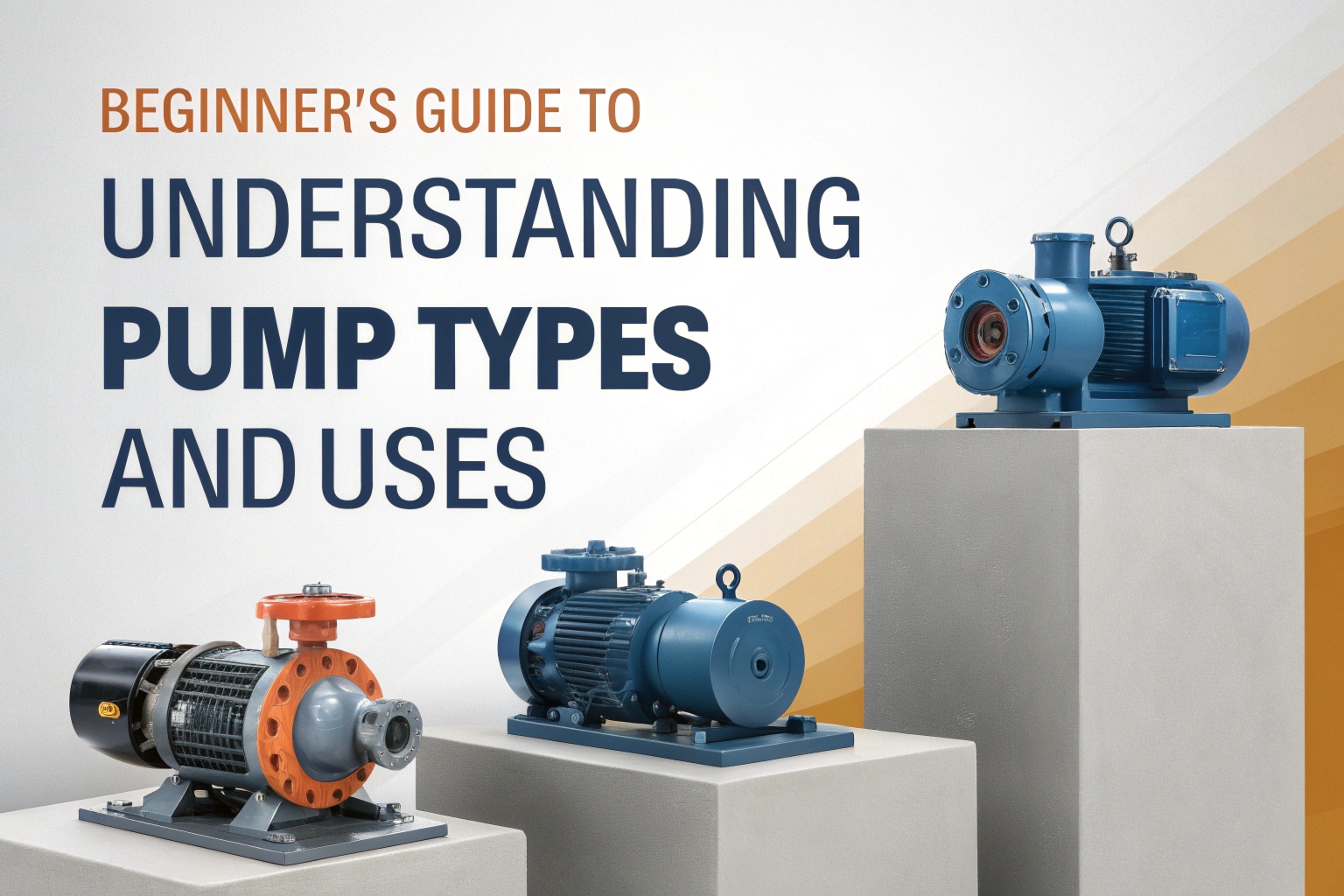
Beginner’s Guide To Understanding Pump Types And Uses
You live with pumps more than you probably notice. They whisper in boilers, hum beneath wells, and nudge fuel into your car. If you’re new to the subject, the sheer variety of pumps can feel like stepping into a wardrobe full of unfamiliar coats—each one suited to a different weather. This guide is meant to be the friendly neighbor who holds up the sleeves and explains the pockets: what the different pumps do, how they work, and how you decide which one fits your needs.
Why you should care about pumps
Water in your garden, heating in your home, irrigation on a small hobby farm, or the simple act of draining a basement—each task relies on a pump chosen for its abilities. Understanding pump types helps you save money, avoid unnecessary repairs, and match the right tool to the job. And, if nothing else, becoming familiar with pumps gives you confidence the next time the contractor starts talking about head, flow, and cavitation.
The basic idea: what a pump does
At its heart, a pump moves fluid (liquid or gas) from one place to another. Some pumps increase pressure, some create flow, and others do both. You can think of a pump as the mechanical muscle that takes a passive body of water and compels it to move where you want.
Key terms you’ll see often
It helps to know a few words you’ll run into repeatedly:
- Flow (Q): How much fluid passes a point in a given time, usually liters per minute (L/min) or gallons per minute (GPM).
- Head (H): The energy per unit weight the pump adds to the fluid, often measured in meters or feet. It’s a way of expressing how high a pump can lift water.
- Pressure (P): Force per unit area, usually in bar or psi.
- Efficiency: How much input energy is converted into useful fluid movement.
- Cavitation: Harmful bubbles that form when a liquid’s pressure drops below its vapor pressure; it can damage pumps.
You’ll grow more comfortable with these terms as you read. They’re like the names of neighborhood streets; once you know them, you stop getting lost.
Two broad families of pumps
Most pumps fall into two main categories: centrifugal and positive displacement. Each family contains many variations and is suited to different tasks. Think of them as two different philosophies of movement: one imparts energy via spinning, the other via trapping and forcing fluid.
Centrifugal pumps — the common, spinning kind
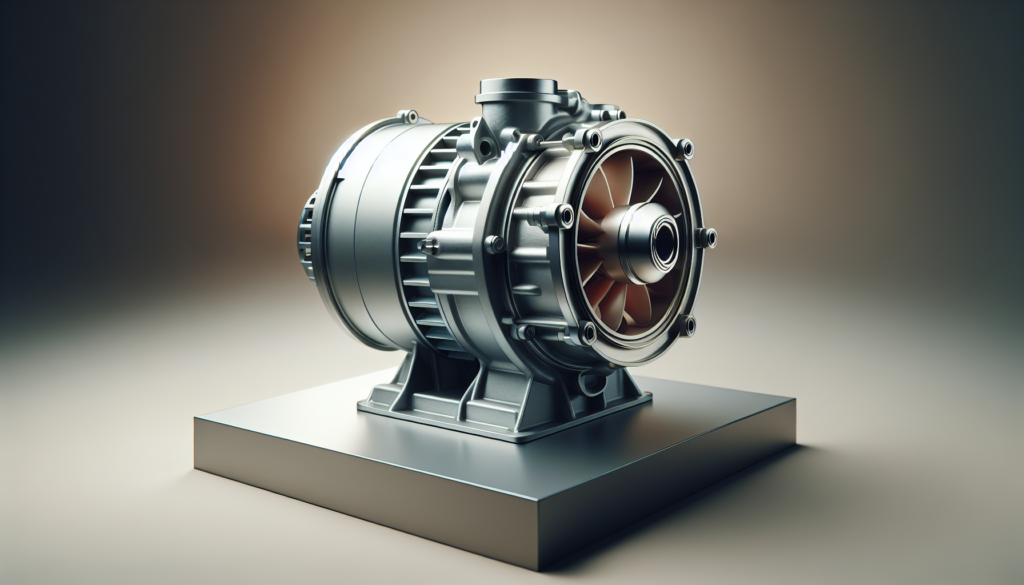
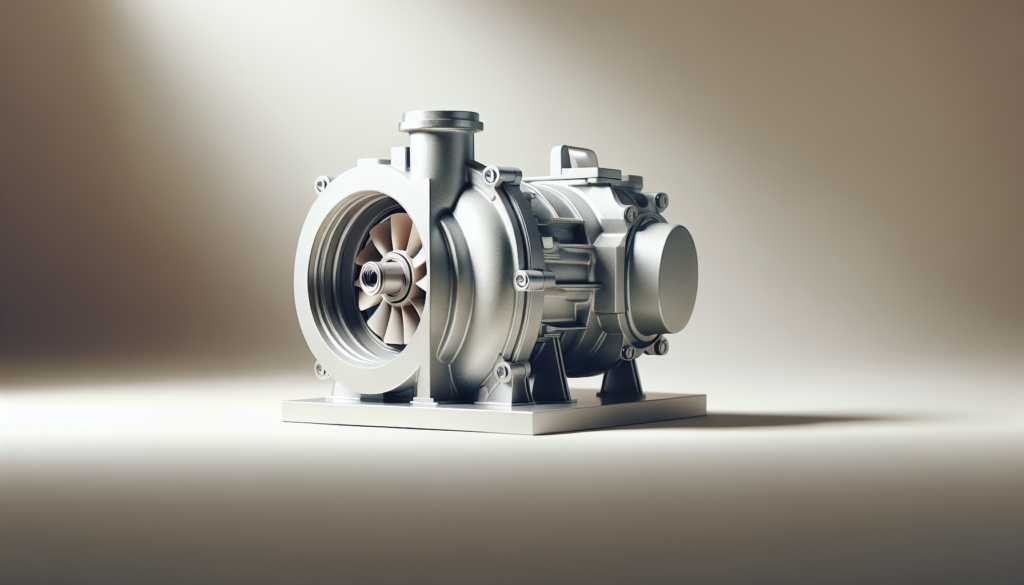
Centrifugal pumps use a rotating impeller to accelerate fluid outward, converting rotational energy into flow and pressure. They’re simple, reliable, and very common in systems where you need a steady flow.
You’ll find centrifugal pumps in household taps, irrigation, HVAC systems, and industrial applications. They work best for low-viscosity fluids and provide smooth flow, but their performance drops with very thick liquids or when high pressure at low flow is required.
Positive displacement pumps — the measured push
Positive displacement (PD) pumps move a fixed volume of fluid with each cycle. They trap fluid and then force it through the outlet. This makes flow proportional to the drive speed, nearly independent of pressure.
PD pumps are excellent for viscous liquids, precise dosing, and high-pressure, low-flow tasks. Common types include gear, piston, diaphragm, and peristaltic pumps. You’ll see them in chemical dosing, oil transfer, and some food processing applications.
Common pump types and how they work
Below is a practical table to help you compare common pump types at a glance.
| Pump Type | How it works | Best uses | Strengths | Limitations |
|---|---|---|---|---|
| Centrifugal | Rotating impeller accelerates fluid | Water supply, HVAC, irrigation | Smooth flow, simple, cost-effective | Not great with high-viscosity fluids; flow varies with pressure |
| Axial-flow | Propeller-like rotor moves large volumes at low head | Circulating water in rivers, cooling | High flow, low head | Low pressure, limited lift |
| Submersible | Centrifugal pump is placed underwater | Wells, sewage, sump pumps | Quiet, no priming, space-saving | Sealing critical; electrical safety concerns |
| Gear (PD) | Intermeshing gears trap and push fluid | Oil, fuels, syrups | Good for viscous fluids, steady flow | Shear can damage delicate fluids |
| Piston (PD) | Reciprocating piston draws and discharges fluid | High-pressure hydraulics | High pressures, accurate volumes | Pulsation, complex seals |
| Diaphragm (PD) | Flexible diaphragm moves to pump fluid | Chemical dosing, slurry | Good for corrosive/abrasive fluids; leak-free | Limited flow; wear on diaphragm |
| Peristaltic | Rollers squeeze tube to push fluid | Medical pumps, chemical dosing | No contact with pump mechanism; sterile | Tube wear; limited pressure |
| Screw (PD) | Rotating screws convey fluid axially | Oil, sludge, viscous fluids | Smooth flow, handles solids | Complex and costly |
| Vacuum | Removes gas to create low pressure | Degassing, vacuum packaging | Essential for many industrial processes | Requires supporting systems |
| Magnetic drive | Impeller attached to magnet, sealed | Corrosive chemicals | Seal-less, leak-free | Limited to certain fluids and conditions |
Each of these types has a domestic and industrial life. A submersible that keeps your basement dry is a different personality from the gear pump on the back of a tractor. You’ll learn their characters as you match a pump to the task.
How to choose a pump: the practical checklist
You can reduce mistakes by thinking through a few core questions before purchasing or specifying a pump.
What are you moving?
Identify the fluid: is it water, oil, slurry, a corrosive chemical, or a mixture? Note viscosity, temperature, solids content, and whether it’s hazardous.
How much flow and pressure do you need?
Specify required flow (Q) and head/pressure (H). If you’re not sure, list the highest and lowest expected values and any performance cushions you want.
Where will the pump be located?
Is it indoors, outdoors, submerged, or in a tight mechanical room? Space and access influence pump type and serviceability.
How will the pump be powered?
Electric motors are common, but diesel, hydraulic, or even manual drives are options for remote or emergency situations. Consider power reliability and availability.
What materials resist the fluid?
Match pump wetted materials to the fluid: stainless steel for many chemicals, cast iron for clean water, exotic alloys for aggressive acids. Material choice affects longevity and cost.
Do you need precision or variable flow?
If you need dosing or tight flow control, a positive displacement pump or a variable-speed drive might be appropriate.
What about maintenance and downtime?
Consider ease of access, availability of spare parts, and the expected maintenance interval. Pumps that take hours to repair can be costly in critical systems.
Reading performance curves
Pump curves are a map of performance: they show how flow changes with head, efficiency curves, and power requirements. Learning to read them prevents buying a pump that can’t do the job.
- The system curve represents the resistance in your piping and fixtures.
- The pump curve shows your pump’s capability.
- The operating point is where the two curves intersect.
A good rule: choose a pump that operates near its best efficiency point (BEP) most of the time. Running far off BEP can increase wear and energy use.
Installation basics: things you’ll want to get right
Installation makes a big difference in how long a pump will last. A quiet, well-placed pump is a pleasure; a poorly installed one becomes a recurring headache.
Mounting and alignment
Make sure the pump is securely mounted and aligned with its driver. Misalignment causes vibration, seal wear, and bearing failure.
Priming and suction
Centrifugal pumps often need priming—filling the casing with liquid—before they’ll move fluid. Submersible and self-priming pumps avoid that fuss. Keep suction lines short and free of air leaks.
Piping and valves
Use appropriately sized suction and discharge piping. Avoid strangling the pump with undersized pipes or too many elbows. Include isolation valves for servicing and a check valve to prevent backflow.
Electrical and control
Install correct motor protection, overload relays, and variable-speed drives where needed. Proper grounding and electrical safety are non-negotiable.
Maintenance and troubleshooting
You can extend a pump’s life with straightforward care. Many problems announce themselves: strange noises, reduced flow, vibration, or leakage.
Routine checks
- Inspect seals and gaskets for wear.
- Monitor vibration and temperature.
- Check bearings for lubrication needs.
- Keep suction strainers and filters clean.
Common problems and fixes
- Loss of prime: Check for air leaks in the suction line and ensure the pump casing is full.
- Cavitation: Reduce suction lift, increase NPSH available, or lower pump speed.
- Overheating: Ensure proper cooling and adequate flow; check for blocked intakes.
- Leakages: Replace seals or check mechanical seal faces.
A modest attention to these signs will save you from the kind of surprise that arrives on a wet weekend.
Safety and environmental considerations
Pumps often handle hazardous fluids or operate in risky environments. Think about containment and safety systems.
Containment and spill prevention
Use secondary containment for hazardous liquids, leak detection, and proper drainage. A failed pump is best caught early.
Noise and vibration control
Install anti-vibration mounts, sound-insulating enclosures, and follow local noise regulations where applicable.
Energy efficiency
Choose high-efficiency motors and pumps, match the pump to the system, and consider variable-speed drives to reduce energy consumption during low-demand periods.
Special applications and their typical pump choices
Your use case often determines pump type more than anything else. Here are common scenarios and the pumps they usually require.
Domestic water supply and boosting
For household or small-building water supply, centrifugal or booster pumps with pressure tanks are common. Submersible borehole pumps work well for wells.
Sewage and wastewater
Sewage pumps must handle solids. Submersible solids-handling pumps, grinder pumps, or progressing cavity pumps are typical choices.
Chemical handling
Corrosive chemicals need pumps with compatible materials and often magnetic drives or diaphragm pumps to avoid leaks.
Food and pharmaceutical
These industries require sanitary designs: smooth surfaces, clean-in-place (CIP) systems, and materials that won’t contaminate products. Peristaltic and hygienic centrifugal pumps are common.
Agriculture and irrigation
Centrifugal surface pumps and submersible pumps provide irrigation. For viscous slurries or manure, you’ll look at progressing cavity or screw pumps.
Oil and gas
High-pressure, high-temperature, and often explosive environments require specialized positive displacement pumps, API-compliant centrifugal pumps, and strict safety measures.
Cost considerations and lifecycle
The cheapest pump upfront is not always the cheapest over time. Think about:
- Initial purchase and installation
- Energy costs (often the largest over life)
- Maintenance and spare parts
- Downtime costs if the pump fails
A slightly more expensive, efficient pump with easy-to-get parts often proves more economical in the long run. Buying cheap and replacing frequently is a policy many people regret.
Materials and corrosion resistance
Choosing the right wetted materials is vital. Fluids and temperatures can attack metals and elastomers in surprising ways.
- Cast iron: Good for clean water, low cost, but corrodes with salt or acidic fluids.
- Stainless steel: Resists corrosion, common in food, chemical, and sanitary applications.
- Bronze/brass: Used in marine environments and for small centrifugal pumps.
- Plastics and composites: Useful for corrosive chemicals and lightweight applications.
- Elastomers: Pay attention to seals and diaphragms. Nitrile, Viton, EPDM each handle different chemicals and temperatures.
Always consult chemical compatibility charts and, when in doubt, ask a supplier or engineer.
Controls, automation, and smart features
Modern pumps often work in systems with sensors and control logic. Variable frequency drives (VFDs) let you control speed and match flow to demand, saving energy.
- Pressure sensors and switches can automate start/stop.
- Flow meters give real-time data for process control.
- Remote monitoring allows predictive maintenance and reduces surprise failures.
If you’ll be away from the site or managing many pumps, automation pays dividends in peace of mind.
Environmental impact and regulations
Pumps are part of systems regulated for emissions, noise, and fluid handling. When working with hazardous fluids, you may need permits, secondary containment, and monitoring. Energy codes increasingly favor efficient motors and controls.
Consider life-cycle impact: choose durable pumps, minimize leaks, and recycle fluids and components where possible.
Sizing example: a simple domestic water pump
Suppose you need to choose a pump for a small home fed from a shallow well. You estimate:
- Peak flow needs: 20 GPM (showers, laundry)
- Static lift: 10 feet
- Frictional losses in pipe: 15 feet
- Total head: ~25 feet
You’d choose a pump capable of delivering 20 GPM at 25 feet head, check its efficiency curve, and ensure it has a dry-run protection and a pressure tank to reduce cycling. If the well is deep, a submersible pump that operates at greater depth is better.
This kind of back-of-envelope calculation gets you into the right ballpark, but always confirm with more detailed system curves or a professional when stakes are high.
Troubleshooting stories you’ll understand
There’s a little comfort in knowing mistakes are common. Consider the owner of an older house who installed a new centrifugal pump without recognizing the suction line had been narrowed by past repairs. The pump lost prime repeatedly. The solution was simple and inexpensive: correct the suction piping and add a foot valve. Yet the owner had replaced seals twice before calling a plumber.
Or the gardener who bought a high-head booster pump for a low-pressure drip system. The pump produced excellent pressure but the drip emitters couldn’t handle it, washing mulch out of place. Matching pump characteristics to application avoids such mismatches and small disasters.
Buying and specifying: a short checklist
- Confirm fluid type, temperature, and solids.
- Define required flow and head.
- Choose pump family (centrifugal vs PD) based on fluid and pressure.
- Match materials for chemical compatibility.
- Decide on motor type and power source.
- Ensure maintenance access and spare parts availability.
- Consider controls: VFDs, pressure switches, alarms.
- Account for installation costs and warranty terms.
Take a methodical approach and you’ll be rewarded with reliability.
When to call a professional
Some situations are well-suited to DIY, like replacing a small submersible sump pump. Others require engineering: large systems, hazardous fluids, complex controls, or when energy efficiency is crucial. If you’re uncertain about pressure, head calculations, or chemical compatibility, it’s wise to consult a pump specialist or mechanical engineer.
Final thoughts
If you pay attention to what pumps need and what you expect from them, you’ll get decades of service from a modest investment. Pumps are the pipes’ secret companions: quiet, unassuming, yet essential. Learning their types and uses is less about becoming an expert overnight and more about building a sensible, grateful relationship with the machines that carry life-sustaining fluids around your world.
You’ll find that once you can name a centrifugal pump or explain what cavitation sounds like, ordinary plumbing conversations stop sounding like another language. Instead, they sound like practical, solvable problems and that’s the most comforting kind of knowledge to have.