
Have you ever wondered whether the water running from your kitchen tap is really as harmless as it appears?
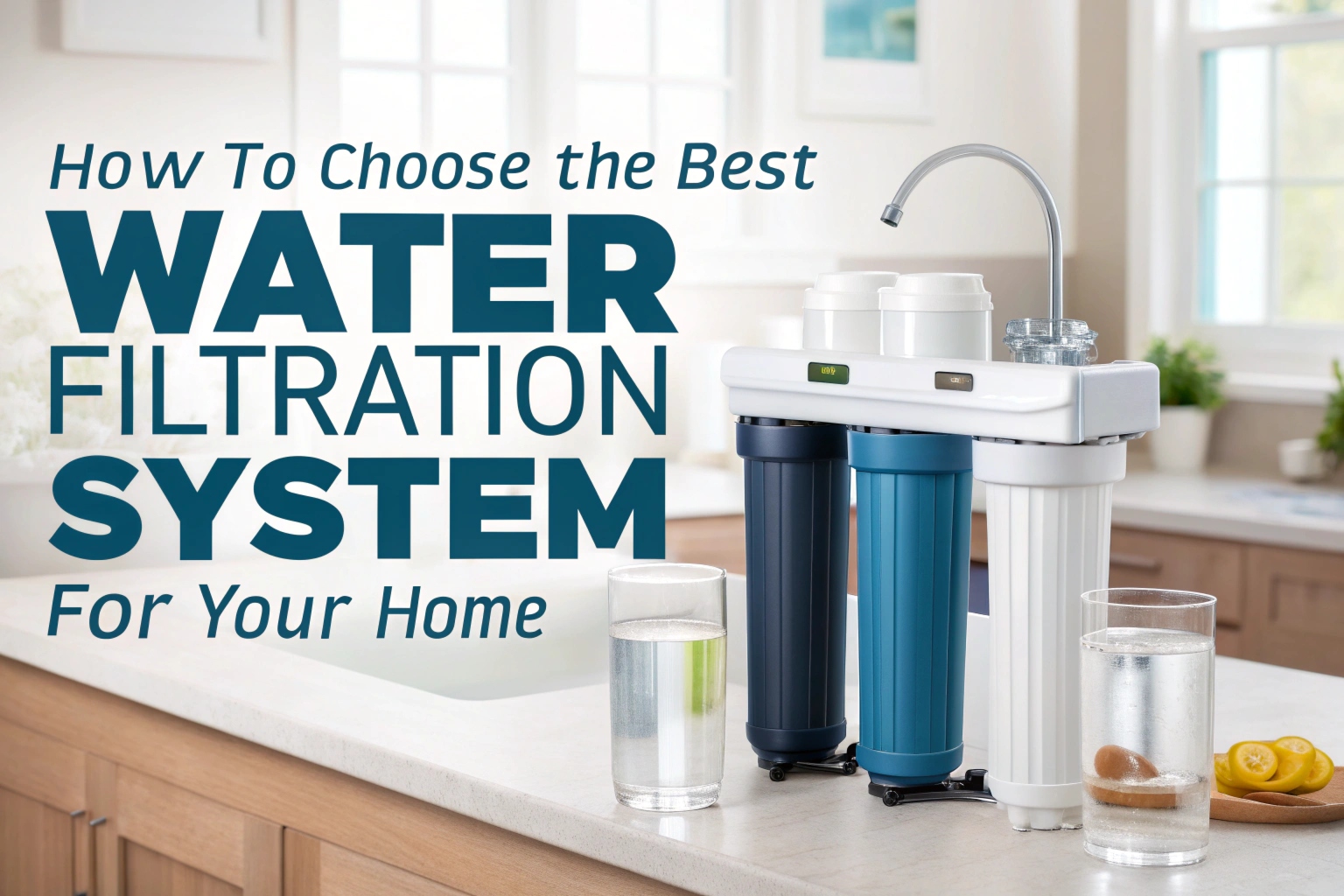
How To Choose The Best Water Filtration System For Your Home
Choosing a water filtration system can feel like deciding on a new lease: there are technicalities, long-term commitments, and more options than seem reasonable. This guide helps you understand the choices and make a decision you’ll feel comfortable living with every day.
Why Choosing the Right System Matters
The water in your home affects everything from the taste of your coffee to the health of your family and the longevity of your appliances. The right filter will remove the contaminants you care about without creating an undue burden of maintenance, cost, or wasted water.
Start With a Water Test
Before you buy anything, find out what’s actually in your water. A test tells you whether your water has lead, bacteria, nitrates, hardness minerals, chlorine, chloramine, volatile organic compounds (VOCs), or emerging contaminants like PFAS.
- Municipal users: Get your Consumer Confidence Report (CCR) from your water utility and consider supplementing it with a home test for lead or other household-specific issues.
- Well owners: Test for bacteria, nitrates, iron, manganese, and hardness annually and after any system repairs or flooding.
- You’ll want both a baseline and a targeted test if you notice a taste or odor problem.
What Contaminants Should You Be Concerned About?
Different contaminants have different health implications and require different technologies to remove. Decide what you must remove (health-related) and what you’d like to remove (taste, odor, stains).
- Health-critical: Lead, nitrates, bacteria, viruses, PFAS, arsenic.
- Nuisance/taste: Chlorine, chloramine, sulfur (rotten egg), sediment, hardness minerals.
- Appliance protection: Hardness (scale), iron, manganese.

Common Water Filtration Technologies
Understanding the technologies will make it easier to map solutions to problems. Each technology has strengths and weaknesses; sometimes you’ll use more than one.
Activated Carbon (Granular or Block)
Activated carbon adsorbs organic molecules and chlorine, improving taste and odor. It’s inexpensive and widely used.
- Works well for chlorine, some VOCs, and improving taste.
- Does not remove most dissolved salts, nitrates, or microbial contaminants reliably.
Reverse Osmosis (RO)
RO forces water through a semipermeable membrane that removes dissolved salts, lead, fluoride, nitrates, and many contaminants.
- Very effective for a broad range of contaminants.
- Produces wastewater (typically 3–4 gallons wasted per gallon purified, though high-efficiency models are better).
- Often used under-sink with a dedicated faucet.
UV Disinfection
Ultraviolet light inactivates bacteria and viruses without chemicals.
- Ideal for biological contamination.
- Does not remove chemical contaminants, sediments, or taste issues.
- Often combined with pre-filtration (sediment and carbon).
Ion Exchange (Water Softeners)
Ion exchange replaces hardness ions (calcium and magnesium) with sodium or potassium to prevent scale.
- Protects appliances and improves soap performance.
- Does not remove chemical contaminants like lead or PFAS.
- Adds a small amount of sodium unless you choose potassium-based systems.
Distillation
Distillation boils water, then condenses the steam, leaving many contaminants behind.
- Effective at removing a wide range of contaminants including bacteria and many dissolved solids.
- Slow, energy-intensive, and often impractical for whole-house needs.
Ceramic and Microfiltration
Porous ceramic filters physically block bacteria and protozoa.
- Good for microbiological protection in small systems.
- Typically used for point-of-use in areas with microbial contamination concerns.
Whole-House (Point-of-Entry) Systems
Installed where water enters your home to protect plumbing, appliances, and water used in showers and laundry.
- Treats all incoming water.
- Can be configured with multiple media (sediment + carbon + softener).
- Costly to install but comprehensive.
Point-of-Use (Point-of-Entry) Options
These include pitchers, faucet-mounts, under-sink filters, and refrigerator filters.
- Treat water at a single location, typically the kitchen tap.
- Lower cost and easier to install but do not protect showers or washing machines.
Comparison Table: Systems vs. Contaminants
| System Type | Removes Chlorine/Chloramine | Removes Lead | Removes Bacteria/Viruses | Removes Hardness | Removes PFAS | Typical Use |
|---|---|---|---|---|---|---|
| Activated Carbon | Yes (chlorine); partial (chloramine) | Some block carbon can reduce lead | No | No | Some (special media) | Pitchers, faucet, under-sink |
| Reverse Osmosis | Yes | Yes | Some systems include UV for microbes | Removes many dissolved salts | Yes (with additional stages) | Under-sink, dedicated faucet |
| UV Disinfection | No | No | Yes (bacteria, viruses) | No | No | Well water microbiological protection |
| Ion Exchange (Softener) | No | No | No | Yes | No | Whole-house for scale protection |
| Distillation | Yes | Yes | Yes | Yes | Yes | Small-batch point-of-use |
| Ceramic/Microfiltration | No | No | Yes (protozoa, bacteria) | No | No | Portable filters |
Certification and Standards
Look for third-party certifications to know a system performs as advertised. NSF/ANSI standards are the benchmark in the U.S.
- NSF/ANSI 42 — Aesthetic effects (taste/odor/chlorine)
- NSF/ANSI 53 — Health effects (lead, cysts, VOCs)
- NSF/ANSI 58 — Reverse osmosis systems
- NSF/ANSI 401 — Emerging contaminants (pharmaceuticals, hormones)
- NSF/ANSI 61 — Drinking water system components
Make sure the specific contaminant removal you need is listed on the certification. “Certified to NSF/ANSI 53 for lead reduction,” for example, is more useful than a generic certification.
Matching Technology to Your Needs
You don’t need the fanciest system; you need the one that addresses your top priorities.
- If your water tastes like a swimming pool: Carbon filtration or catalytic carbon (for chloramine) is usually the right first step.
- If you have lead concerns: Look for NSF 53-certified filters for lead, or an RO system with lead removal capability.
- If you rely on a private well: Consider combined solutions—sediment pre-filters, carbon for organics, and UV for microbes.
- If your appliances are scaling: A water softener (ion exchange) is most effective; some new alternatives use template-assisted crystallization.
- If PFAS is your concern: High-quality RO systems and specialty activated carbon or ion exchange media are options; check certifications.

Flow Rate and Capacity
You want a system that meets your daily demand.
- Whole-house flow rates are measured in gallons per minute (GPM). Match the peak flow of showers, appliances, and the kitchen (often 8–15 GPM for a typical household).
- Point-of-use systems are measured in gallons per day (GPD). Ensure the RO system GPD rating matches kitchen needs.
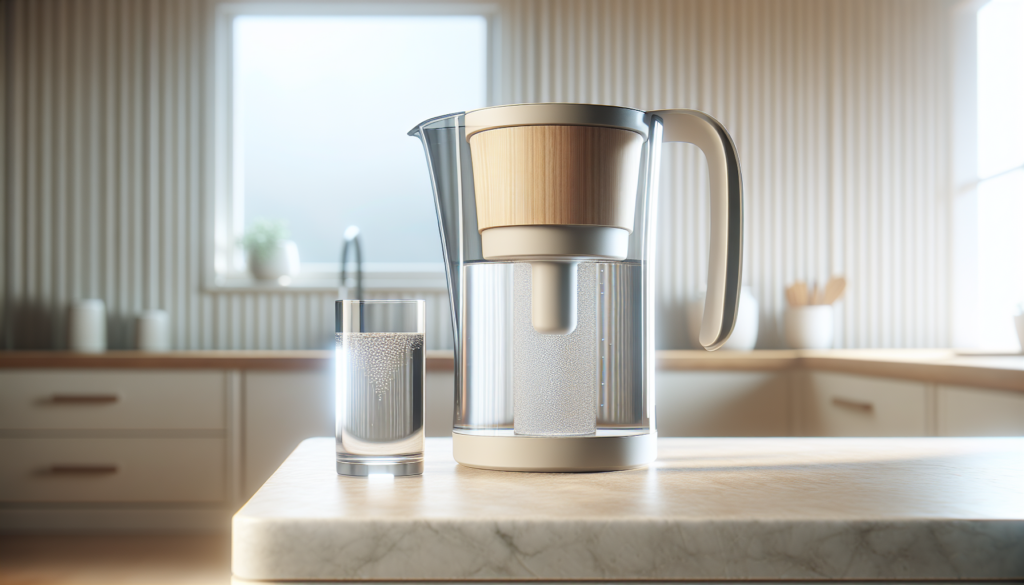
- Pitcher filters are fine for small households or infrequent use but are impractical for high-demand kitchens.
Installation and Space Considerations
Ask where the unit will live—under sink, in the basement, outside near the main line—and who will install it.
- Under-sink and countertop systems are usually DIY-friendly.
- Whole-house systems and RO systems with electrical or drain requirements often need a plumber.
- Consider access for filter changes; tight spaces can make maintenance a chore.
Maintenance and Ongoing Costs
The initial price is only part of the story. Filters require replacement, and some systems incur additional costs.
- Replace carbon filters every 3–12 months depending on use.
- RO membranes typically last 2–5 years; pre- and post-filters need more frequent replacement.
- Water softeners require salt (or potassium) and occasional resin replacement.
- Factor in annual maintenance, service calls, and possible repairs.
Typical Cost Ranges (installed and annual maintenance)
| System Type | Typical Installed Cost (USD) | Annual Maintenance / Filter Cost |
|---|---|---|
| Pitcher/Countertop | $20–$200 | $20–$100 |
| Faucet-mount | $50–$200 | $30–$120 |
| Under-sink Carbon | $100–$600 | $50–$200 |
| Reverse Osmosis (under-sink) | $300–$1,200 | $100–$300 |
| UV + Pre-filter (for wells) | $400–$1,500 | $80–$250 |
| Water Softener (ion exchange) | $800–$3,000 | $50–$300 (salt/potassium) |
| Whole-house multi-media | $1,000–$5,000+ | $100–$500 |
Costs vary by brand, capacity, region, and installer. Consider lifetime cost over 5–10 years.
Environmental Considerations
Be mindful of wastewater, disposable cartridges, and energy use.
- RO systems can waste water; look for high-efficiency models or systems that repurpose waste water for appliances or outdoor use.
- Single-use cartridges generate plastic waste; consider systems with recyclable cartridges or longer-life media.
- Softening by ion exchange adds sodium to drain water and increases brine disposal concerns; alternatives exist that reduce scale without salt.
Taste and Aesthetics vs. Health
Sometimes taste is the main driver, sometimes safety is. Know which matters more to you.
- If taste is the issue, carbon filters are often sufficient and cost-effective.
- If health (lead, bacteria, nitrates) is a concern, you’ll need certified removal technologies like RO, UV, or dedicated lead-reducing units.
Whole-House or Point-of-Use?
Decide whether you want to treat all water entering your home or just drinking and cooking taps.
- Whole-house systems protect plumbing, laundry, and showers and remove sediment and chlorine for a better general water experience.
- Point-of-use is cheaper and more targeted, typically used for drinking water and cooking.
Read Labels Carefully
Marketing language can confuse. Look for explicit claims and certifications.
- “Reduces contaminants” is vague. Look for exactly which contaminants and whether the claim is certified.
- Beware of unsupported “all-in-one” claims that imply total purification without certification.
How to Compare Brands and Models
Use a consistent rubric to compare systems.
- Match systems for the same contaminants and capacities.
- Verify NSF/ANSI certifications for the specific contaminant.
- Compare total cost of ownership and maintenance complexity.
- Read independent reviews and look for long-term test data rather than promotional blurbs.
Questions to Ask a Salesperson or Installer
Prepare a short list to avoid buyer’s remorse.
- Which contaminants are you certified to remove, and under what standard?
- Can you show third-party test results?
- What are total installation and annual maintenance costs?
- How often do filters/membranes require replacement, and how easy are replacements?
- Do you provide a warranty and what does it cover?
Practical Checklist for Choosing Your System
- Get a water test or review your CCR.
- Identify must-remove contaminants (health-critical) and nice-to-remove issues (taste, stains).
- Decide point-of-use vs whole-house.
- Shortlist technologies that address your priorities.
- Check certifications for the specific contaminants.
- Compare costs: purchase, installation, maintenance, and potential wastewater.
- Read reviews and ask for references.
- Confirm installation requirements and maintenance accessibility.
Installation Tips
If you’re installing yourself, read the manual and prepare tools in advance. If hiring a pro, get multiple quotes.
- For under-sink RO: you’ll need a drain saddle and a dedicated faucet. Ensure adequate under-sink space.
- For whole-house installations: make sure the unit is accessible for media changes and softener salt filling.
- For UV systems: maintain clear pre-filtration to prevent fouling and monitor lamp hours.
Maintenance Best Practices
A system is only as good as its maintenance.
- Keep a calendar for filter and lamp changes.
- Store replacement filters in a clean, dry place and replace them on schedule even if water appears fine.
- Flush new filters as recommended to remove carbon fines and odor.
- For softeners, keep salt levels topped up and check regeneration cycles.
Special Considerations for Vulnerable Households
If you’re pregnant, nursing, caring for infants, or have an immunocompromised household member, be more conservative.
- Prioritize systems that remove lead, nitrates, and microbial contamination.
- Consider RO with UV or a certified point-of-use system for water used in infant formula and medication.
Dealing With Specific Problems
- Lead: Certified filters for lead removal or RO systems; replace plumbing if possible.
- Chloramine: Standard carbon may be ineffective; look for catalytic carbon or specialized media.
- Hard water: Water softeners (ion exchange) or salt-free conditioners for scale control.
- Bacteria in well water: UV plus sediment and carbon pre-filtration; ensure regular monitoring.
- PFAS: High-quality RO and certain activated carbon or ion exchange medias; check certifications.
How to Verify Performance Over Time
After installation, re-test your water for the target contaminants to confirm the system’s performance. Keep records of filter changes and any water quality changes, and retest annually or if taste/odor changes occur.
When to Upgrade or Replace Your System
If you notice any of the following, consider upgrading:
- A persistent smell or taste despite filter changes.
- Decreased flow rate or pressure problems.
- Frequent need for repairs or discontinued parts.
- Changes in source water quality (new contaminants detected in CCR or tests).
Frequently Asked Questions
How often should I change filters?
It depends on the filter and usage. Typical ranges:
- Pitcher/carbon: 2–3 months.
- Under-sink carbon: 6–12 months.
- RO pre-filters: 6–12 months; RO membrane: 2–5 years.
- UV lamp: 9–12 months (hours-based recommendation).
Will a filter remove all contaminants?
No single technology removes everything. That’s why testing and matching technology to contaminants is vital.
Is bottled water safer than filtered tap water?
Not necessarily. Bottled water quality varies, and plastic waste and cost are concerns. A certified home filtration system can be safer and more sustainable than many bottled options.
Do I need a plumber?
For simple pitchers, countertop units, and many under-sink installations you can be DIY. Whole-house systems, complex RO units, or any work involving mainline plumbing often require a professional.
Final Decision Framework
- Test your water.
- Prioritize what matters for health and everyday life.
- Match technology and certification to your priorities.
- Compare total costs and maintenance burden.
- Ask pointed questions and verify with third-party certifications.
- Keep a maintenance schedule and retest after installation.
Choosing a water filtration system isn’t glamorous, but it’s a small domestic act that touches almost every cup, casserole, and shower. When you get it right, you’ll notice the subtle shifts: coffee that tastes cleaner, sinks that don’t accumulate scale as quickly, and the quiet reassurance that your home’s basic resource is being handled thoughtfully.
If you’d like, tell me what your water test shows (or your municipality’s CCR), and I can recommend 2–3 systems that match your needs and budget.