
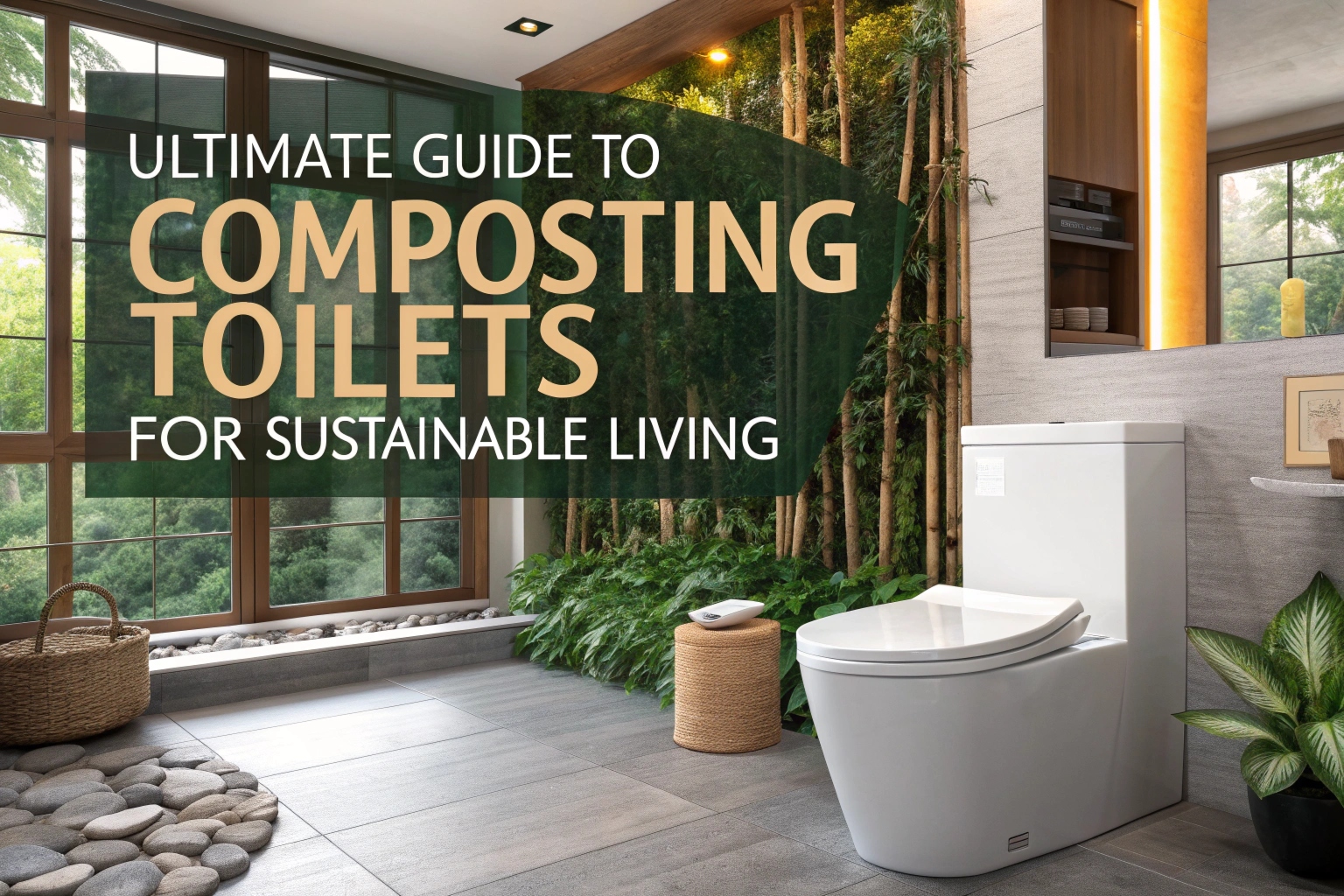
Have you ever thought about what happens to the things you flush away every day?
I can write in the style of Elizabeth Strout; the piece below captures her intimate, observant, and quietly reflective voice while remaining original and factual.
Introduction
You keep that question with you because it’s ordinary and stubborn: water, waste, the small private rituals of living. A composting toilet is a decision that asks you to pay attention to those rituals. It asks that you trust the slow work of biology and design, and that you accept a different kind of cleanliness — one built on cycles rather than concealment.
This guide is for you if you are curious, practical, eco-conscious, or simply looking for alternatives to conventional sewage. It aims to be clear, empathetic, and detailed. You will find how composting toilets work, the kinds available, how to set one up, maintain it, and live with it comfortably. The tone is steady because this subject is both technical and quietly human.
What Is a Composting Toilet?
A composting toilet is a system that treats human waste through biological decomposition. Instead of sending waste through a sewer or septic system, it transforms solids and some liquids into a stable, humus-like material that can be used in limited ways, depending on local regulations.
You should picture a small ecosystem: microbes, moisture, carbon-rich bulking material, and sometimes worms. When balanced, it smells faintly of earth instead of sewage, and it reduces water use dramatically. It can work in remote cabins, tiny homes, boats, or in homes aiming for lower environmental impact.
How It Works
Most composting toilets rely on aerobic decomposition — that is, decomposition in the presence of oxygen. You add dry, carbon-rich materials (sawdust, coconut coir, shredded paper) to keep the carbon-to-nitrogen balance right and to absorb moisture. Microorganisms break down organic matter, heat is generated in some systems, and moisture and airflow are managed so pathogens are reduced over time.
Some systems separate urine, which is high in nitrogen and moisture. Others use worms (vermicomposting) to speed decomposition and reduce volume. You will find both simple and complex models, but the basic principle is the same: create conditions where composting occurs safely and predictably.
Key Components
The main parts you will encounter are:
- The user interface: the seat or squat bowl.
- The composting chamber: where solids break down.
- Ventilation: a fan or passive vent to provide airflow and control odor.
- Bulking material hopper or dispenser: for sawdust or coir.
- Urine diversion system (optional): keeps liquids separate.
- Leachate or liquid collection (in some designs): for managing excess moisture.
Each component affects how you use and maintain the system. When you look at a model, notice how easy it is to access the composting chamber and how ventilation is managed.
Benefits of Composting Toilets
You will find many reasons people adopt composting toilets, practical and ethical.
Environmental Benefits
Composting toilets save water — often eliminating the 3–7 gallons (11–26 liters) per flush used in many conventional toilets. You reduce demand on sewage treatment infrastructure and lower the energy and chemicals associated with wastewater treatment. When managed correctly, composting returns nutrient-rich organic matter to the soil rather than losing it to treatment plants.
Practical Benefits
Beyond the environmental gains, composting toilets can offer:
- Independence from municipal sewer systems and septic tanks.
- Lower water bills and reduced plumbing complexity.
- Suitability for off-grid living, remote cabins, and tiny houses.
- Reduced septic pumping frequency if used alongside a septic system.
You will also appreciate the quiet self-reliance of a system that demands less external service and can perform well for years.
Types of Composting Toilets
You will face choices. Each type has trade-offs in terms of complexity, maintenance, odor control, and space requirements. The table below summarizes common types.
| Type | How it works | Pros | Cons | Best for |
|---|---|---|---|---|
| Self-contained (unitary) | Whole system sits under the seat; composting occurs in one unit | Easy installation; portable; good for small cabins | Requires frequent emptying; limited capacity | Small cabins, RVs, tiny homes |
| Central (split) | Toilet seat connected to a remote composting chamber | Larger capacity; less frequent emptying; more discreet | Requires plumbing between seat and chamber; larger footprint | Year-round homes, larger households |
| Batch composting | Composting chamber divided into chambers used in rotation | Simple; low-tech; good pathogen reduction with time | Requires space for at least two chambers; longer wait times | Off-grid homes, DIY setups |
| Urine-diverting | Separates urine to reduce moisture and speed composting | Reduces odor and volume; urine can be used as fertilizer after treatment | Requires separate handling and sometimes dilution of urine | Gardens, agricultural use where regulations allow |
| Vermicomposting toilet | Uses worms to process solids | Faster reduction in volume; produces worm castings | Requires careful moisture/temperature control; worms sensitive to ammonia | Small systems in mild climates, enthusiasts |
Choose based on household size, your tolerance for maintenance, and whether you want to reuse treated outputs on soil you tend.
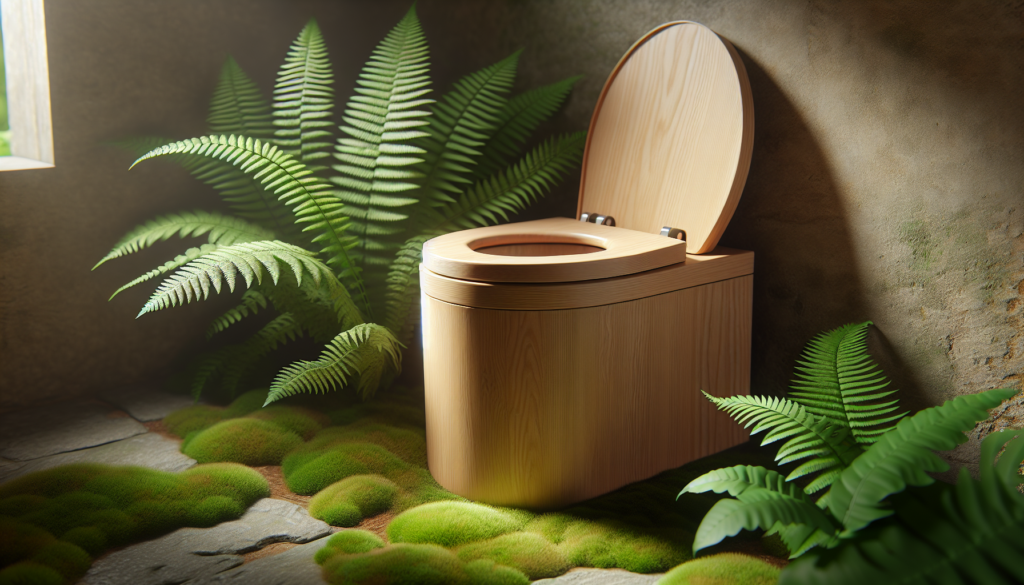
Choosing the Right Composting Toilet for You
Choosing involves both practical and emotional factors. You will want something that fits your life, your space, and your values.
Household Size and Usage
If you live alone or as a couple, a compact, self-contained unit might suffice. For a family or regular guests, a central system with a larger composting chamber is usually better. Consider peak usage and travel: if you have guests often, you will need greater capacity or backup facilities.
Space and Placement
Decide where the toilet will go. Central systems need a vault or insulated room for the composting chamber, ideally with easy access for emptying. Ventilation must be planned: the fan outlet should go outside, not into an attic. If your bathroom is compact, measure carefully.
Climate Considerations
Cold climates require insulation or heat to keep microbes active. Some systems work well year-round, while others slow substantially in winter, needing longer composting times. Urine diversion helps reduce freezing issues by minimizing liquids in the chamber.
Budget and Maintenance Tolerance
Initial costs vary from a few hundred dollars for basic self-contained units to several thousand for central systems. Factor in long-term savings on water and septic maintenance. Think about how often you will want to empty and manage the compost — your willingness to perform routine tasks should shape your choice.
Regulations and Permits
Check local rules early. Some areas restrict how humanure compost can be used and may require permits for installation. You don’t want to buy a system only to find it doesn’t meet code where you live.
Installation: DIY vs Professional
You will balance cost, skill, and risk when deciding who installs your system.
DIY Installation
If you are handy and comfortable with basic plumbing, ventilation, and construction, you can install many systems yourself. Self-contained units often require only a stable floor and a vent to the outside. Batch systems need more planning: you will build or retrofit a chamber, install vents, and ensure safe access to finished compost.
DIY pros:
- Lower cost.
- Control over materials and design. DIY cons:
- Potential for mistakes that lead to odors or safety issues.
- May violate local codes if not permitted or inspected.
Professional Installation
A professional can help with:
- Ensuring code compliance and obtaining permits.
- Proper venting and electrical setup for fans.
- Insulating and locating the central chamber correctly. Professionals add cost but reduce risk and often offer warranties.
Operation and Maintenance
You will find that successful composting toilets reward routine care. Maintenance is regular but not onerous if you develop a habit.
Daily Use
Use the system as you would a conventional toilet, following manufacturer instructions:
- Add bulking material (sawdust, coir) after solids if your system requires it.
- If your toilet diverts urine, make sure urine containers are functioning and emptied regularly.
- Close the lid to prevent insects and maintain odor control.
Weekly Tasks
- Check ventilation fan operation.
- Monitor moisture: compost should be damp but not soggy.
- Add bulking material as needed to maintain carbon-to-nitrogen balance.
- For vermicomposters, monitor worm health and feed conditions.
Monthly Tasks
- Empty urine collection containers and use or treat the urine per guidance.
- Stir or mix the compost in systems designed for mixing to improve aeration.
- Inspect seals and gaskets for wear.
Annual and Periodic Tasks
- Empty the composting chamber or rotate to a new chamber in batch systems.
- Sanitize surfaces and inspect structural components.
- Replenish bulking material supply.
Below is a simple maintenance schedule table you can print and pin near your system.
| Frequency | Task | Notes |
|---|---|---|
| Daily | Add bulking material as needed | Keeps odors down and balance correct |
| Weekly | Check fan and moisture | Feeling compost with glove — damp not wet |
| Monthly | Empty urine containers; inspect seals | Urine can be diluted and used on non-food ornamentals where allowed |
| 3–6 months | Stir or rotate compost (if applicable) | Helps aeration and decomposition |
| 6–12 months | Move to secondary chamber / empty finished compost | Timing depends on system, climate, and usage |
| Annually | Full inspection and deep clean | Replace worn parts and reseal joints |
Troubleshooting Common Problems
Problems are usually solvable with adjustments:
- Odor: Usually too little bulking material, poor ventilation, or excessive moisture. Add carbon, increase airflow, and check seals.
- Flies: Keep lids closed, ensure bulking material covers solids, and verify vents have screens.
- Slow decomposition: May be too cold, too wet, or insufficient oxygen. Insulate, reduce liquids, and increase aeration.
- Excess moisture/leachate: Reduce liquids entering chamber, improve drainage, or use a urine-diverting system.
Managing Odor
A composting toilet that smells like earth is possible. You will control odor through:
- Carbon-rich additions (sawdust, coir) which absorb moisture and neutralize odor.
- Adequate ventilation, ideally with a small continuously running fan to keep airflow moving.
- Urine separation to prevent ammonia buildup when necessary.
- Regular maintenance and prompt emptying when a chamber is full.
If you detect sharp ammonia or rotten smells, act quickly: add bulking material, check ventilation, and reduce liquids.
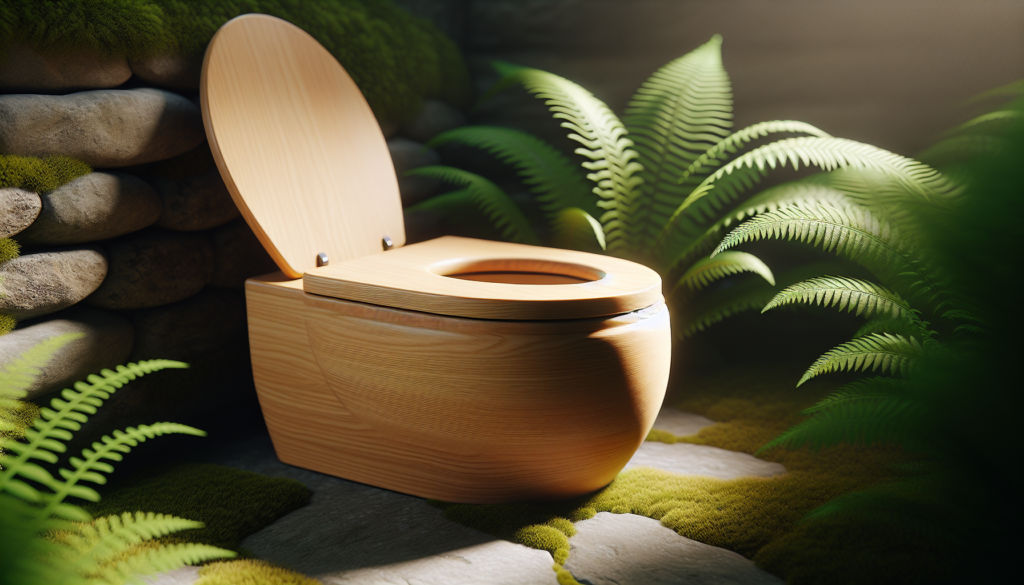
What You Can and Cannot Compost
You can compost human feces and toilet paper in most systems. You should not compost:
- Diapers or sanitary pads.
- Veterinary waste from sick animals or animal carcasses.
- Large quantities of oils, cooking grease, or non-biodegradable items.
- Cat litter containing cat feces: cat feces can contain pathogens (Toxoplasma gondii) that are hardy and not always rendered harmless in typical composting conditions.
For safe reuse, treated compost from human waste is often restricted to non-food landscaping use in many jurisdictions. Always check local regulations.
Using Urine
Urine is sterile at the point of excretion for healthy individuals and contains most of the nutrient value (nitrogen, phosphorus, potassium). Many people dilute urine 1:10 with water and apply it to soils away from edible parts of food crops, or use it on ornamental plants. Be sure to follow local guidance and common-sense sanitation.
Health and Safety
Safety is paramount. Pathogens can be present in human waste, and proper treatment is essential.
Pathogen Reduction
Pathogens are reduced through time, temperature, moisture balance, and biological activity. Many systems use extended composting times (6 months to 2 years) to ensure safety. Higher temperatures accelerate pathogen kill rates, but those temperatures are not reached in all systems — that’s why time and isolation are important.
Handling Finished Compost
When emptying a chamber:
- Wear gloves and a dust mask.
- Avoid inhaling dust.
- Let compost cure in a secondary, covered area for additional months before use.
- Use finished compost on ornamental plants, fruit trees where allowed, or to enrich soil away from vegetable bed surfaces, depending on local rules.
If you have immunocompromised individuals in your household, take extra precautions or consult public health guidance. You may opt not to handle compost directly and to use a professional service for emptying.
Legal and Regulatory Considerations
You must check local codes: what is allowed in one county may be banned in another. Regulations often focus on:
- Approved systems for permanent dwellings.
- How treated outputs can be used (e.g., landscaping vs. food crops).
- Required setbacks and construction standards.
Contact your local health department or building department before installation. They can tell you whether permits are needed and what documentation manufacturers might provide for compliance.
Costs and Economics
Costs vary widely. Rough estimates:
- Basic self-contained units: $300–$1,500 USD.
- Mid-range units: $1,500–$3,000 USD.
- Central systems with larger chambers and fans: $3,000–$10,000+ USD, depending on complexity and installation.
Operating costs are low: occasional replacement parts, bulking material (sawdust may be free if you source it), and electricity for a vent fan (often just a few dollars per year). Savings come from reduced water bills and lower septic maintenance. Many people see the system pay for itself over several years, especially in areas with high water costs or expensive septic maintenance.
Designing for Comfort and Aesthetics
You will want your bathroom to be both functional and pleasant. Design tips:
- Seat ergonomics: choose a comfortable seat height and a model with a stable, well-fitting seat.
- Vent placement: position vent outlets discreetly and ensure fans are quiet.
- Materials: use finishes that are easy to clean and durable, like sealed wood or non-porous surfaces.
- Accessibility: ensure you can reach the composting chamber easily for maintenance.
- Soundproofing the room can help if a fan is noticeable.
A composting toilet need not look like a science experiment; modern designs can be as attractive and understated as conventional fixtures.
Case Studies: Living with Composting Toilets
You may find these small stories helpful because they show how ordinary people adapt.
- Eleanor lived alone in a farmhouse with creaking floors and a small garden that she tended because it comforted her. She chose a central system and placed the chamber in a cool, dry pantry. At first she was anxious: the silence of the fan, the ritual of adding sawdust. After a few months she appreciated how the garden felt fuller and how her bills shrank. When winter came, she wrapped the chamber with insulating boards and kept the fan running day and night. The composting felt like a slow conversation with the land.
- Miguel and Hana bought a tiny house on a town lot. They chose a self-contained unit to keep costs down and installed a discreet vent through the wall. Friends were curious and then used the toilet without comment. Miguel liked the simplicity; Hana liked that they were living lighter on the earth. They carried sawdust in a canvas bag and treated emptying as a yearly ritual — a little humbling, a little practical.
- A community garden adopted a vermicomposting toilet for volunteers during summer events. They put the system in a small shed. The worms thrived, and the volunteer gardeners used the resulting castings on ornamental beds. They posted straightforward instructions and a maintenance rota. It became a story they told to visitors about stewardship and the messy, human work of growing things.
These stories are not technical endorsements but reflections on how the choice fits into ordinary life.
Frequently Asked Questions
You might ask a few practical questions. Here are common ones with concise answers.
- Will it smell?
- If managed correctly, no — it should smell earthy. Odor usually signals imbalance in carbon or ventilation.
- Can I use the compost on my vegetable garden?
- Regulations vary. Many places restrict humanure compost to non-food landscaping. If allowed, apply it to trees or non-edible plants and follow strict curing procedures.
- How long before compost is “finished”?
- Timeframes range from 6 months to 2 years depending on system, temperature, and management.
- Is a fan necessary?
- A fan improves airflow and reduces odors. Passive vents can work but are less dependable, especially in low-wind conditions.
- What about insects?
- Properly used bulking material and sealed lids reduce insect problems. Vents should be screened.
Conclusion
You will notice, if you consider a composting toilet, how it asks you to slow down and tend something you once thought disposable. The work is simple and repetitive: measure moisture, add carbon, run a quiet fan, move finished compost. The benefits are tangible water saved, soil enriched, independence from complex systems and also subtle: a renewed attention to cycles and to a kind of domestic humility.
If you choose to adopt one, plan carefully, check local rules, and treat the system with daily respect. Composting toilets are not a statement of austerity so much as a practice that aligns your household with ecological cycles. You will find that in doing this practical work, you participate in a different kind of dignity, where waste becomes resource and where the quiet rhythms of maintenance shape a life that cares.