
Have you ever wanted to step into your kitchen and snip fresh basil for dinner or tuck fragrant thyme into a winter stew without making a special trip to the store?
Why Grow Herbs Indoors Year-Round?
You’ll find that growing herbs indoors feels like making an active pact with your daily life — small commitments that reward you with flavor, scent, and a sense of competence. Herbs are forgiving, beautiful, and deeply useful. When you keep them inside year-round, you aren’t just extending a growing season; you’re cultivating ritual: morning waterings, pruning as a quiet task, and the steady pleasure of fresh garnish on days that might otherwise blur together.
The Benefits of Indoor Herb Gardening
You get fresher ingredients than store-bought herbs, lower waste, and stronger flavor. You also gain control: pests, unpredictable weather, and seasonal scarcity become smaller problems. For many people, herbs are an accessible way to learn horticulture basics without the cost or space of a full garden.
Choosing Herbs That Thrive Indoors
Not all herbs respond the same to interior living. Some are resilient and compact; others sprawl or demand intense light. Choose varieties that suit your windows, schedule, and culinary tastes.
Below is a quick-reference table to help you choose herbs based on light, watering, and typical use:
| Herb | Light Needs | Watering Frequency | Typical Use |
|---|---|---|---|
| Basil | Bright, 6–8 hours | Moderate; keep slightly moist | Pesto, salads, sauces |
| Parsley | Bright, 4–6 hours | Moderate; tolerates cooler soil | Garnish, soups, salads |
| Chives | Bright, 4–6 hours | Evenly moist | Eggs, potatoes, soups |
| Thyme | Bright, 6+ hours | Low; allow to dry between waterings | Roasts, stews, seasoning |
| Rosemary | Bright, 6+ hours | Low; drought-tolerant | Roasts, infusions |
| Mint | Partial to bright, 4+ hours | Moderate; likes moist soil | Teas, cocktails, garnishes |
| Oregano | Bright, 6+ hours | Low to moderate | Italian dishes, sauces |
| Cilantro | Bright but not hot afternoon sun | Moderate; prefers cooler temps | Salsas, salads, Asian dishes |
| Sage | Bright, 6+ hours | Low to moderate | Roasts, stuffings |
| Lemon balm | Bright, 4–6 hours | Moderate; likes humidity | Tea, desserts, salads |
Planning Your Indoor Herb Garden
Think about where you spend time. You want herbs within reach of where you cook, and you want them where light and temperature conditions match their needs. If you have a bright kitchen window, that’s ideal for most culinary herbs. If you live in a small apartment, consider vertical shelving or a compact hydroponic unit.
Light Requirements: Natural and Artificial
Light is the single most important variable for indoor herbs. You’ll notice a difference immediately if a plant is starved of light: lanky stems, pale leaves, slow growth.
Assess Your Windows
South- and southwest-facing windows generally offer the most light. East-facing windows provide bright morning sun and cooler afternoons, making them good for herbs that don’t like baking heat. North-facing windows are often too dim unless you supplement with artificial light.
Using Grow Lights
If natural light is inadequate, invest in grow lights. LED fixtures are efficient, produce little heat, and last long. Choose full-spectrum LEDs designed for plants. Position lights 6–12 inches above herbs; adjust distance according to intensity and instructions. Timers are helpful: aim for 12–16 hours of light per day for most herbs, then 8–12 hours of darkness.
Signs of Too Little or Too Much Light
Insufficient light: long, spindly stems; pale or yellowing leaves; slow growth. Too much light or heat stress: scorched leaf edges; wilting during hottest hours; leaves curling.
Soil and Containers
Herbs need well-draining soil. If you keep roots wet, you’ll invite disease. Choose potting mixes, not garden soil. Look for mixes labeled for containers or herbs; they often contain perlite or pumice for drainage.
Ideal Soil Mix
You can mix:
- 2 parts potting mix
- 1 part perlite or pumice
- 1 part compost (optional, for nutrients)
This blend retains enough moisture for roots while ensuring excess water drains away.
Container Choices and Drainage
Clay pots breathe and wick moisture away, which helps prevent root rot. Plastic pots retain moisture longer. Ensure all containers have drainage holes. If you prefer a decorative container without holes, plant herbs in a smaller nursery pot and place that inside the decorative container, removing it to water and allowing excess to drain.
Size Matters
Start with a container at least 6–8 inches wide for small herbs (like chives) and 8–10 inches for larger herbs (like basil or rosemary). Too-small pots lead to overwatering and root-bound plants.
Watering and Humidity
Watering is deceptively simple: water when the top inch of soil is dry, then water thoroughly until water drains from the bottom. Overwatering is the most common indoor gardening error.
Watering Techniques
- Feel the soil: use your finger to check the top inch daily.
- Bottom-watering option: place pots in a tray of water for 10–20 minutes to allow roots to draw up moisture.
- Water in the morning to reduce prolonged dampness overnight, which can encourage fungal issues.
Humidity Needs
Many herbs like moderate humidity. Indoor heating in winter can dry the air, stressing plants. Boost humidity with:
- Pebble trays filled with water beneath pots (ensure pots don’t sit directly in water)
- Grouping plants to create a microclimate
- A small humidifier near the plants
- Mist occasionally — but don’t overdo it; constant dampness on leaves can encourage disease
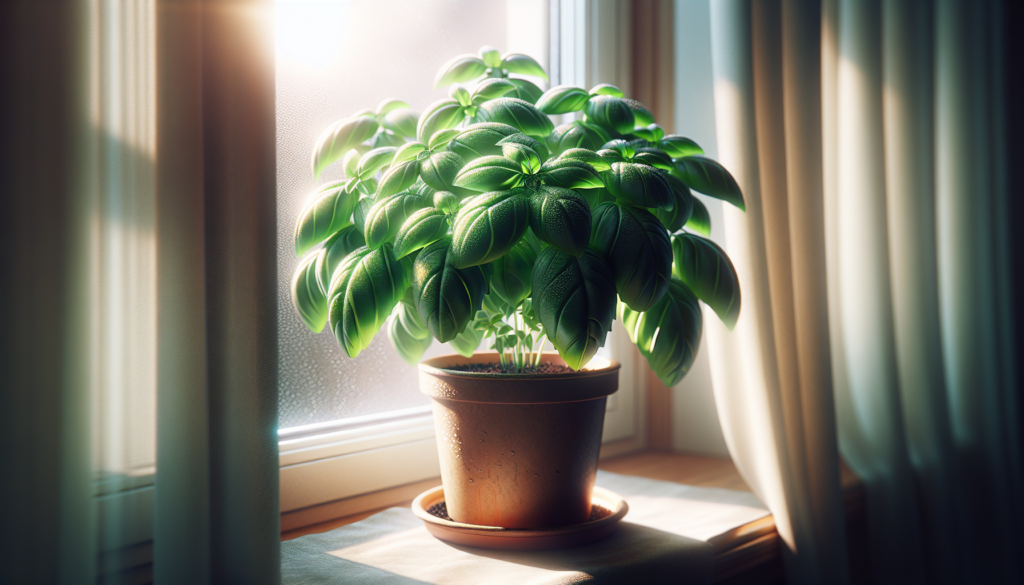
Temperature and Airflow
Herbs generally prefer temperatures between 60–75°F (15–24°C). Avoid placing them directly above radiators or vents where heat will be intense, but do provide gentle airflow. Stale air invites pests and mold; a small fan on a low setting can keep air moving without chilling plants.
Fertilizing and Nutrients
Container soil has finite nutrients. Feed herbs monthly during active growth with a balanced, water-soluble fertilizer at half the recommended strength. For heavier feeders like basil and parsley, you may need slightly more. For Mediterranean herbs like rosemary and thyme, feed sparingly — they thrive in leaner conditions.
Planting and Propagation
Starting herbs is part of the pleasure: seeds are inexpensive, and cuttings are instant gratification.
From Seed
Seeds give you variety and are less expensive. Start seeds 6–8 weeks before your desired harvest time on a sunny windowsill or under grow lights. Keep seed-starting trays moist, and transplant when seedlings have true leaves.
From Cuttings
Many herbs root readily from cuttings. Strip lower leaves, place stem in water, and in a week or two you’ll usually see roots. Transplant rooted cuttings into potting mix. This is fast and reliable for basil, mint, rosemary, and others.
Pruning and Harvesting
Pruning is both aesthetic and functional. Regular harvesting encourages bushiness and fresh growth.
How to Harvest Without Killing the Plant
Take no more than one-third of the plant at once. Harvest in the morning after dew dries but before midday heat. For basil, pinch above a leaf node to encourage branching. For mint and parsley, cut outer stems at their base to allow inner growth.
Pruning to Encourage Growth
Pinch back growing tips regularly to prevent legginess. Remove flowers from basil and cilantro if your primary goal is leaf production; flowering often signals the plant is shifting to seed production and that leaf flavor will diminish.
Pest Management and Disease Prevention
Indoor plants are not immune to pests. Aphids, spider mites, whiteflies, and fungus gnats can show up, especially if conditions are stagnant.
Prevention
- Quarantine new plants for a week or two.
- Inspect undersides of leaves regularly.
- Avoid overwatering and keep good airflow.
Natural Controls
- Hand-pick visible pests.
- Wipe leaves with a damp cloth or mild soapy solution (one teaspoon mild dish soap to one quart of water).
- Use neem oil or insecticidal soap for more persistent infestations; follow instructions to avoid leaf burn.
Troubleshooting Common Problems
When things go wrong, symptoms are usually legible if you know where to look.
| Symptom | Likely Cause | Quick Fix |
|---|---|---|
| Yellowing leaves | Overwatering, poor drainage | Reduce watering, repot in well-draining soil |
| Leggy stems | Insufficient light | Move to brighter spot or add grow light |
| Brown, crispy leaf edges | Underwatering or heat stress | Increase watering, move away from heat source |
| Tiny webbing and stippled leaves | Spider mites | Isolate plant, mist, use insecticidal soap |
| Wilting despite moist soil | Root rot | Inspect roots, trim black mushy roots, repot |
Seasonal Care and Year-Round Schedule
Even indoors, herbs benefit from a seasonal rhythm. Here’s a simple schedule to structure your care:
- Winter: Shorter light periods; add grow lights; maintain humidity; feed every 6–8 weeks; prune lightly.
- Spring: Increase watering and fertilizing as growth accelerates; repot if roots are crowded; start new seeds.
- Summer: Watch for heat stress; move plants to cooler spots during hottest afternoons; pinch continually to promote bushiness.
- Fall: Gradually reduce fertilizer and prune back in preparation for lower light; propagate cuttings to replace older plants.
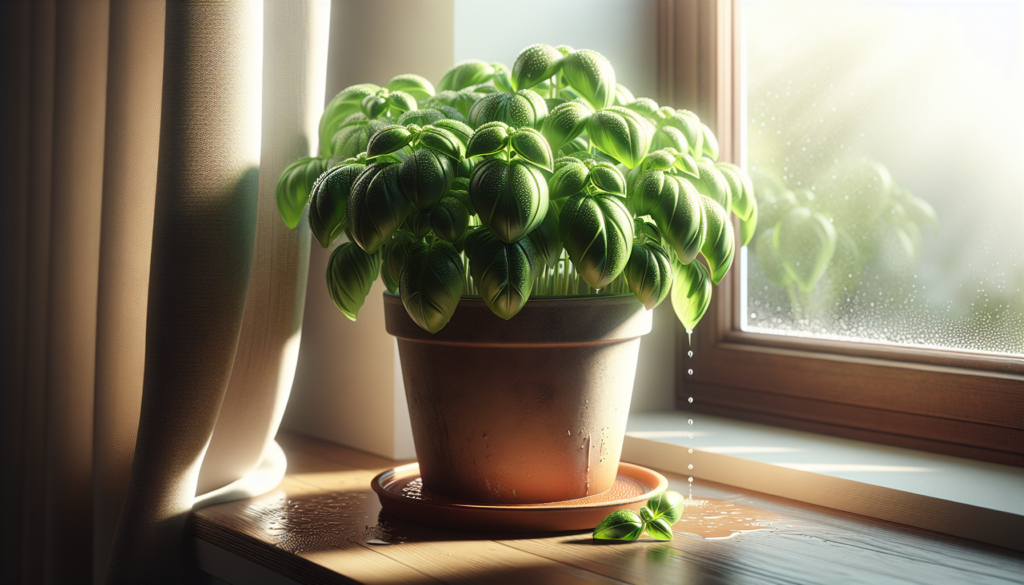
Re-potting and Refreshing Soil
Most herbs will need repotting every 12–18 months. Signs you need to repot include roots circling the pot’s circumference, slow growth despite light and water, and soil that dries out very quickly after watering. When repotting, choose a pot only one size larger — herbs prefer being slightly root-bound.
Hydroponics and Soilless Systems
If you’re short on space or enjoy tech-forward gardening, consider a hydroponic system. These systems deliver nutrients through water and can yield rapid growth. They require a little more monitoring — pH, nutrient concentration, and pump operation — but they’re fantastic for continuous kitchen harvests.
Creative Indoor Herb Garden Ideas
You can integrate herbs into your living space in ways that are practical and unexpectedly lovely.
- Windowsill row: A classic and efficient arrangement.
- Tiered plant shelf: Makes use of vertical light gradients.
- Hanging planters: Useful if floor and windowsill space are limited.
- Mason jars or repurposed tins: Charming and inexpensive for small herbs like chives.
- Magnetic planters on refrigerator or metal surfaces: For kitchens that lack sunny windows.
Combining Herbs in Pots
Pair herbs with similar light and water needs. Avoid planting mint with others in the same pot — it spreads aggressively. Mediterranean herbs (rosemary, thyme, oregano) prefer drier, sunnier conditions; basil, parsley, and cilantro like more moisture and shade from hot afternoon sun.
Flavor and Harvest Timing
Harvesting at the right time affects flavor. For most herbs, the highest essential oil concentration—and therefore the best flavor—occurs just before the plant flowers. Snip leaves in the morning after the dew has evaporated but before midday heat.
Using Your Herbs in the Kitchen
You can incorporate fresh herbs into everyday cooking, not just special meals. Here are some ideas:
- Mince herbs into compound butter with lemon zest and salt for bread or steak.
- Make a simple pesto with basil, pine nuts, garlic, Parmesan, and olive oil.
- Fresh chives are perfect stirred into scrambled eggs or sprinkled on baked potatoes.
- Mint leaves tear into salads or muddle into cocktails.
- Rosemary sprigs infuse olive oil or roast with potatoes.
Preserving Excess Herbs
If you have a bounty, preserve it:
- Freeze chopped herbs in ice cube trays with olive oil or stock for easy use in cooking.
- Dry herbs like thyme and oregano by hanging small bundles in a dry, dark place.
- Make herb-infused oils or vinegars; store them in the refrigerator and use within a couple of weeks.
Building a Routine You’ll Keep
The most successful indoor gardens result from small, consistent rituals. Schedule a couple of minutes daily to check soil moisture, inspect leaves, and harvest a bit. You’ll find that these quiet interactions quickly become part of your day.
Common Mistakes and How to Avoid Them
- Over-potting: Resist the urge to jump to a huge pot. Too much soil retains water.
- Over-fertilizing: Herbs don’t need heavy feeding; too much fertilizer makes them leggy.
- Ignoring light: No amount of water or fertilizer will compensate for inadequate light.
- Buying on impulse: Start with one or two reliable herbs and add variety as you gain confidence.
Sample Herb Garden Plans
Here are a few setups to match different lifestyles:
- The Minimalist (limited space): One sunny windowsill with basil, chives, and parsley in simple pots. Use a small LED strip for supplemental light in winter.
- The Casual Cook (moderate space): A tiered shelf with basil, rosemary, mint (separate pot), thyme, and oregano. Monthly fertilizing and weekly harvesting.
- The Enthusiast (dedicated garden spot): A hydroponic tower or a large shelf with full-spectrum LEDs; propagate cuttings regularly and maintain a seasonal rotation of basil, cilantro, dill, lemon balm, and perilla.
Troubleshooting: When to Start Over
Sometimes, despite your best efforts, a plant won’t recover. If roots are a mushy black, stems are collapsing, and mold is visible, it’s often best to compost and replace the plant. Use the experience: consider why it failed—lighting, watering, or soil—and adjust before replanting.
Final Thoughts
As you develop a relationship with your indoor herb garden, you’ll notice subtle shifts: your cooking becomes more playful, you’ll harvest without a recipe, and you’ll look forward to the small acts of care. Herbs reward attention quickly and teach you practical patience. If you approach them with curiosity and modest routines, they’ll offer fresh flavor and a living connection to the changing seasons — even in the middle of winter.