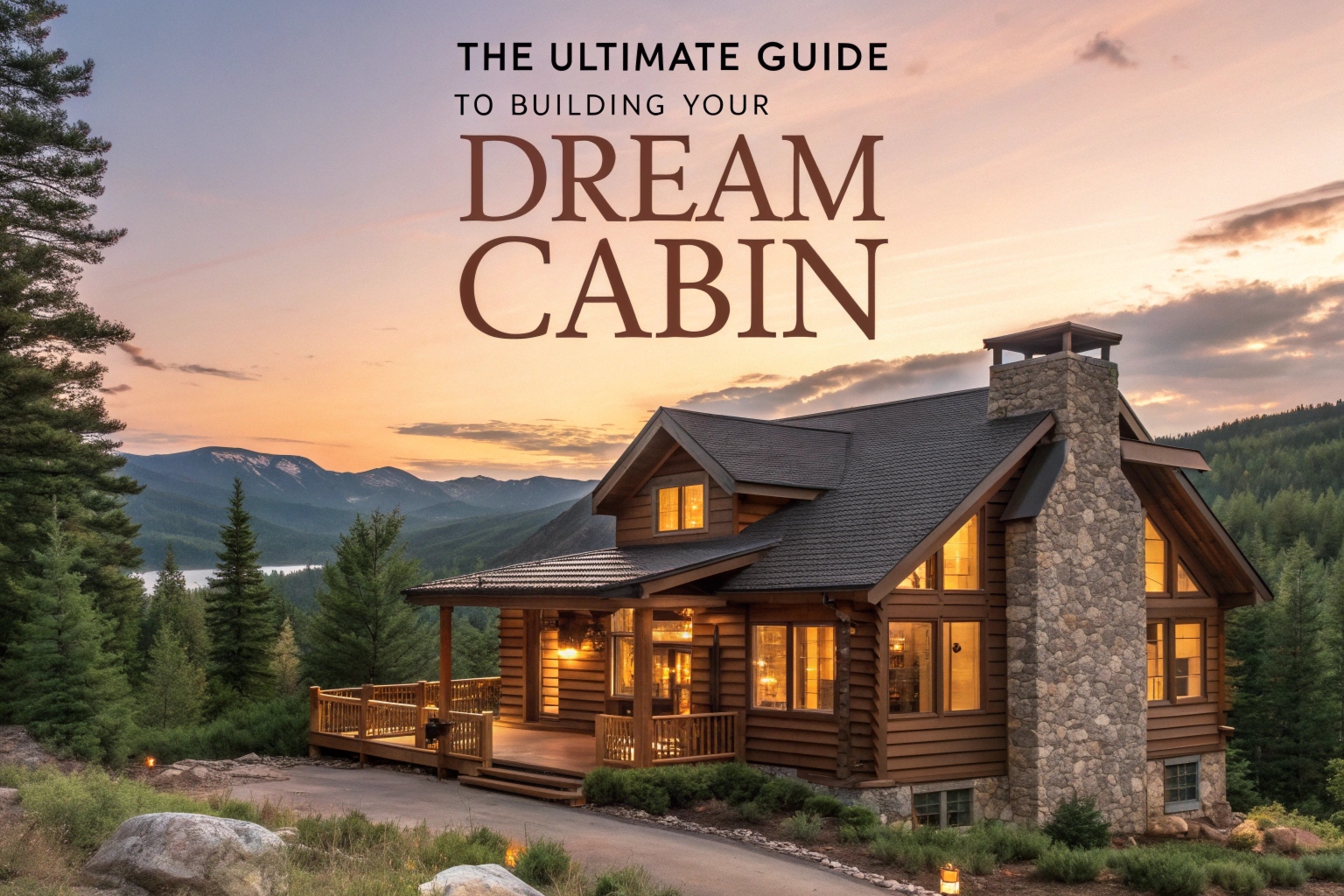
Have you pictured yourself stepping into a cozy cabin that you planned, designed, and built to match your dreams?
The Ultimate Guide To Building Your Dream Cabin
This guide walks you through the entire process of building your dream cabin, from the earliest vision to maintenance after move-in. You’ll get practical advice, cost considerations, timelines, and design options so you can make informed decisions and avoid common mistakes.
Why build a cabin?
You might be drawn to a cabin for retreat, rental income, or as a full-time home. Cabins offer a strong connection with nature, lower maintenance if designed well, and the satisfaction of creating a space that reflects your lifestyle. Understanding why you want the cabin will shape every decision from size to location to materials.
Define your goals and priorities
Start by clarifying how you’ll use the cabin: weekends only, seasonal stays, a rental, or a permanent residence. This determines required systems (insulation, plumbing, heating), code requirements, and your budget. Be honest about priorities such as low maintenance, energy efficiency, or rustic aesthetics.
Create a program list
A program list is a simple inventory of spaces and functions you need. List bedrooms, bathrooms, kitchen size, storage, workspace, and outdoor living areas. This list will guide your footprint, layout, and systems planning. Keep it flexible at first, then refine as you get pricing and site specifics.
Set a realistic budget
Your budget shapes everything. Include land cost, permits, design and engineering fees, construction, utility hookups, site work, furnishings, and contingency (10–20%). Decide whether you’ll finance the build or pay cash. With a clear budget, you’ll know what trade-offs are acceptable.
Site selection and evaluation
Location influences views, sun exposure, wind, accessibility, and costs for site prep and utilities. You’ll want a site that balances privacy, sunlight, and ease of access for construction. Evaluate soil, slope, flood risk, and local restrictions before committing.
Consider orientation and microclimate
Where you place the cabin relative to the sun affects passive heating and cooling. South-facing windows can maximize winter solar gain, while overhangs or shading reduce summer heat. Check prevailing winds and natural windbreaks to reduce heating costs and improve comfort.
Check access and logistics
Think about how heavy equipment and delivery trucks will reach the site. If access is difficult or seasonal, site work costs will go up and timelines may lengthen. Make sure emergency vehicle access and year-round access meet local regulations if you plan to live there full-time.
Zoning, permits, and legal requirements
Before you build, research zoning, building codes, and permit processes. Regulations vary widely and can affect the size, placement, septic requirements, and even design style of your cabin. Getting this right early saves delays and fines.
Permits and inspections
You’ll typically need permits for foundation, structural work, plumbing, electrical, and mechanical systems. Inspections ensure compliance with health and safety standards. Factor permit fees and the time for approvals into your schedule.
Environmental and private restrictions
Check for wetlands, protected trees, homeowners association (HOA) covenants, and easements. Environmental constraints can require special foundations or limit clearing. HOAs may enforce design guidelines that affect your materials or color choices.
Design principles for cabins
Good cabin design balances simplicity, durability, and connection to the outdoors. Think about scale—smaller cabins can be more efficient and cost-effective, while larger ones offer more comfort but higher ongoing costs.
Floor plan and circulation
Keep circulation efficient. Open plans with multipurpose spaces feel larger and are common in cabins. Place private spaces (sleeping areas) away from communal areas for noise separation. Orient living areas toward the best views and natural light.
Window placement and views
Windows are crucial for a cabin’s feel. You want enough glazing to capture views and daylight without overheating or losing too much heat in winter. Consider insulated windows and shades, and place larger windows on the south side in cold climates for passive solar gain.
Foundation types and selection
Choosing the right foundation affects cost, durability, and suitability for your site. Here’s a simple comparison to help you decide.
| Foundation Type | Where it’s used | Pros | Cons |
|---|---|---|---|
| Concrete slab | Flat sites, warm climates | Lower cost vs basement, quick construction, good thermal mass | Poor access to utilities, cold floors unless insulated |
| Crawlspace | Slight slopes, moderate climates | Easier to run utilities, raised floor inspection access | Potential moisture issues, requires good ventilation or encapsulation |
| Basement | Steep sites, cold climates | Added living/storage space, good insulation buffer | Highest cost, more excavation |
| Pier & beam / Post-and-pier | Steep or flood-prone sites | Minimal excavation, lower cost on difficult terrain | Less insulated, may require skirting, potential for draftiness |
Choosing based on site
If the site is sloped or in a floodplain, pier-and-beam or a raised foundation often makes sense. On flat, well-drained lots, a slab can save money. Basements add usable square footage but increase excavation and foundation costs.
Structural systems and framing
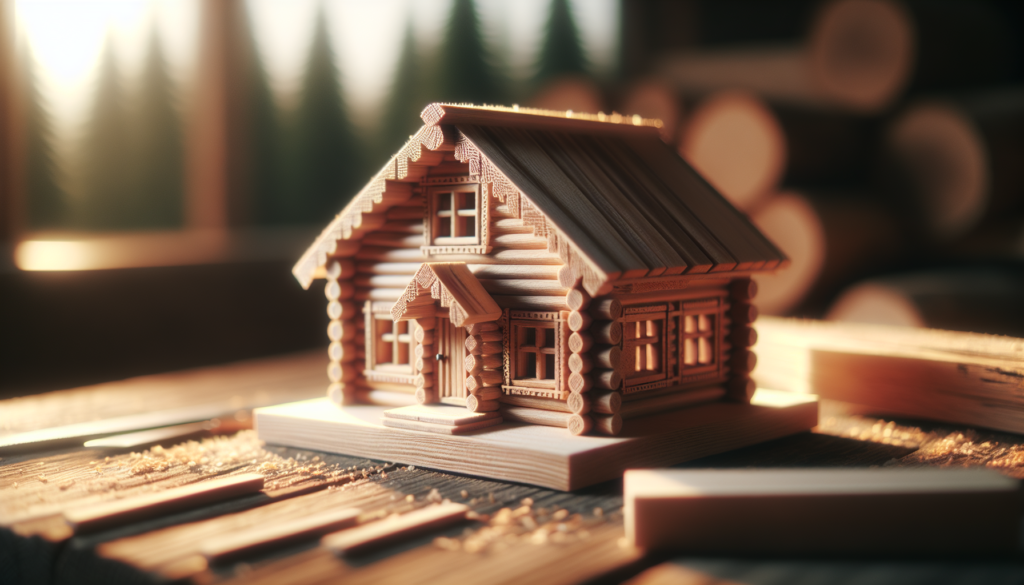
Decide between traditional stick framing, timber framing, log construction, or modular/prefab systems. Each approach has different aesthetics, timelines, and cost profiles.
Stick framing
Stick framing is flexible and widely used. You’ll find many contractors comfortable with it, and it’s easier to modify on-site. It’s typically the most cost-effective for custom builds.
Timber frame and log cabins
Timber frames and logs create a strong rustic aesthetic and open interiors. These methods can be more expensive due to specialized labor and materials, but they offer distinctive character and longevity when properly maintained.
Prefab and modular cabins
Prefabricated panels or modules reduce on-site labor and shorten schedules. They can be cost-effective if transport to the site is straightforward. Prefab quality varies, so vet manufacturers and see samples when possible.
Roofing and exterior envelope
Your roof and exterior materials protect the cabin from the elements and define its character. Choose materials that suit climate and maintenance expectations.
Roofing options
Asphalt shingles are cost-effective and common. Metal roofing is durable, sheds snow easily, and can be recycled. Standing seam metal is popular for cabins for its longevity and minimal maintenance. Roof pitch should match snow-shedding needs and your aesthetic.
Siding and cladding
Options include wood siding, engineered wood, fiber cement, metal, and log siding. Wood offers warmth but requires maintenance; fiber cement is low-maintenance with a wood-like appearance. Consider fire risk in dry climates and choose noncombustible materials if needed.
Insulation, heating, and energy efficiency
Comfort and running costs depend heavily on your insulation and heating choices. Prioritize a well-sealed envelope and efficient systems to minimize long-term costs.
Insulation strategies
Use continuous exterior insulation (rigid foam or sheathing) to reduce thermal bridging, paired with cavity insulation (batts or spray foam). In colder climates, higher R-values for walls, roofs, and floors are critical for comfort and energy savings.
Heating systems
Options include wood stoves, pellet stoves, electric heat pumps, propane furnaces, or radiant floor heating. If you’re off-grid, wood and propane may be common. Heat pumps (air-source or ground-source) provide efficient heating and cooling if grid-connected or if you plan a sizeable solar array.
Plumbing and wastewater systems
Cabin plumbing varies based on location and whether you’re on-grid. Rural sites often need septic systems or composting toilets.
Water supply
Options are municipal water, drilled wells, or delivered water storage. Wells require testing and maintenance, while hauled water needs storage and treatment. Filter and treat water as required by local health standards.
Wastewater systems
If you can tap into a municipal sewer, that simplifies plumbing. Otherwise, you’ll need a septic system sized for your occupancy or alternatives like an aerobic treatment unit or composting toilet. Soil tests and permits are usually required.
Electrical systems and off-grid power
Decide early whether you’ll be grid-connected or off-grid. This decision affects the size and placement of electrical equipment, solar, and battery storage.
Grid connection
Connecting to the grid may involve significant trenching and fees. Grid power lets you install standard appliances and HVAC systems with fewer upfront costs, though monthly utility bills will apply.
Off-grid and hybrid options
Solar PV with battery storage plus a backup generator can support comfortable off-grid living. For cabins with modest loads (LED lighting, efficient fridge, induction cooktop, heat pump), modern battery systems are increasingly practical. Design electrical loads carefully to size solar and batteries correctly.
Interior finishes and layout considerations
Interior finishes set the tone for comfort and maintenance. Choose durable materials in high-traffic areas and consider how finishes will age.
Flooring choices
Hardwood and engineered wood give warmth and character; tile is durable in wet zones; luxury vinyl planks are water-resistant and low-maintenance. For cold climates, consider radiant floor heating under tile or concrete.
Kitchen and bathroom planning
Design kitchens and bathrooms for efficiency. In small cabins, space-saving appliances and foldable or multipurpose furniture can increase functionality. Plan plumbing locations to limit costs by minimizing long runs.
Storage and multi-function spaces
Cabins benefit from clever storage and multi-use rooms to keep footprints efficient. Use built-in cabinets, lofts, under-stair storage, and furniture that doubles as storage. Think vertically to maximize usable space.
Lofts and mezzanines
Lofts are popular in cabins to add sleeping or storage without increasing footprint. Ensure you meet headroom and egress codes if the loft will be used as a sleeping area. Railings and safe access (stairs vs. ladder) are important.
Exterior living and landscaping
Your outdoor spaces extend the living area and should be part of the initial design. Decks, porches, and patios enhance enjoyment and resale value.
Decks and porches
A covered porch adds weather protection and a year-round outdoor living spot. Materials include pressure-treated wood, composite decking, and metal fasteners designed for longevity. Consider orientation to capture morning or evening light.
Native landscaping and erosion control
Use native plants to reduce maintenance and water needs. Pay attention to erosion control, especially on slopes—retaining walls, terraces, and groundcover can prevent costly washouts.
Budget breakdown and cost-saving tips
Building costs vary widely by region, materials, and labor availability. Here’s a sample budget that shows typical percentage ranges to help you allocate funds.
| Cost Category | Typical % of Total | Notes |
|---|---|---|
| Land purchase | 10–30% | Highly variable by location |
| Site work & foundation | 10–20% | Clearing, grading, utilities |
| Framing & shell | 20–30% | Structure, roofing, exterior envelope |
| Mechanical systems | 10–20% | HVAC, plumbing, electrical |
| Interior finishes | 10–20% | Flooring, cabinets, fixtures |
| Permits & design fees | 3–8% | Architect, engineer, permits |
| Contingency | 10–15% | Unforeseen costs |
Ways to save without compromising quality
- Simplify the roofline and minimize complex angles to reduce labor and material waste.
- Keep the footprint compact and prioritize multi-use spaces.
- Use standard-sized windows and doors to avoid costly custom units.
- Buy finishes and fixtures during sales or from surplus suppliers.
- Consider phased building: finish essential spaces first, expand later.
Project timeline and scheduling
A typical cabin project—from planning to move-in—can take from a few months (for prefab) to a year or more (custom builds). Weather, permitting, and contractor availability affect schedules.
| Phase | Typical Duration |
|---|---|
| Planning & permits | 1–4 months |
| Site work & foundation | 2–6 weeks |
| Framing & exterior shell | 2–8 weeks |
| Mechanical rough-ins | 2–6 weeks |
| Interior finishes | 4–12 weeks |
| Final inspections & move-in | 1–3 weeks |
Managing delays
Create a buffer in your timeline for weather and permit delays. Communicate regularly with contractors and get milestone dates in writing. Having a contingency budget helps you manage unexpected delays and cost increases.
Hiring contractors vs. DIY
Decide which tasks you’ll do yourself and which require professionals. Many owners DIY finish work, painting, and landscaping, but leave structural, plumbing, electrical, and HVAC to licensed pros to ensure safety and code compliance.
Vetting contractors
Get multiple bids, check references, and review past projects. Ensure contractors are licensed and insured. Clear contracts, payment schedules tied to milestones, and change order processes reduce disputes.
When to use an architect or designer
If your site is challenging or you want a custom solution, an architect will optimize the design and navigate codes. For simpler cabins, a designer or experienced builder may provide adequate plans at lower cost.
Sustainability and green building options
You can make your cabin more sustainable through materials, systems, and site planning. These choices often reduce long-term operating costs and environmental impact.
Passive design strategies
Orient the cabin for passive solar heating, use thermal mass where appropriate, and design for natural ventilation. Good insulation and airtight construction reduce energy needs dramatically.
Renewable energy and water conservation
Add solar PV, battery storage, rainwater harvesting, and low-flow fixtures to reduce reliance on external resources. Consider heat recovery ventilators (HRVs) for efficient ventilation in tightly sealed homes.
Maintenance planning
A maintenance plan keeps your cabin safe and looking great. Seasonal tasks include roof checks, gutter cleaning, exterior staining, sealing gaps, and servicing heating systems.
Protecting against pests and moisture
Treat wood appropriately and maintain good site drainage to prevent rot and pests. Keep overhangs and landscaping away from siding and foundation to reduce moisture contact. Routine inspections catch issues early.
Common pitfalls and how to avoid them
Avoid these frequent mistakes: underestimating site and utility costs, skipping soil tests, ignoring local codes, overbuilding for your budget, and not planning storage. Proper research and conservative budgeting help you avoid stress and cost overruns.
Contingency and realistic expectations
Always include contingency in both time and money. Unexpected site conditions, weather delays, and change orders are common. Expect some compromises and keep your core priorities intact.
Sample checklist before breaking ground
- Finalize program list and budget.
- Verify zoning and permitting requirements.
- Perform site survey and soil tests.
- Secure financing and contingency funds.
- Choose foundation type and get engineering if required.
- Select contractor or prefab manufacturer and finalize contract.
- Order long-lead items (windows, specialty doors, HVAC).
- Schedule inspections and utility hookups.
Frequently asked questions
How large should my cabin be?
Size depends on intended use. For a weekend retreat, 400–800 sq ft is common; for full-time living, 800–1,500 sq ft may be more comfortable. Focus on efficient layouts rather than sheer square footage.
Is it cheaper to buy a prefab cabin?
Prefab can be cheaper when you factor shorter build time and lower on-site labor. However, transportation, site work, and customization can add costs. Compare total delivered cost to local stick-built estimates.
Can I build a cabin myself?
Yes, if you have construction skills and time. Many owners do portions of the work (finish carpentry, painting) to save money. However, structural, electrical, plumbing, and HVAC work often require licensed professionals.
Useful resources and next steps
Start by collecting inspiration images and sketching a program list. Interview builders and designers, request cost estimates, and visit completed projects to see materials and craftsmanship. Use local building departments to learn permit timelines and requirements.
Final thoughts
Building a dream cabin is a rewarding project that blends practical planning with creative design. By clarifying your goals, choosing the right site, budgeting realistically, and selecting systems suited to your lifestyle, you can build a cabin that serves you for years. Keep the project manageable, prioritize quality in critical areas, and enjoy the process of creating a place that reflects your needs and values.
If you want, I can help you create a tailored checklist, estimate a budget for your specific region, or draft a simple floor plan based on your program list. Which part of the project would you like to tackle first?