
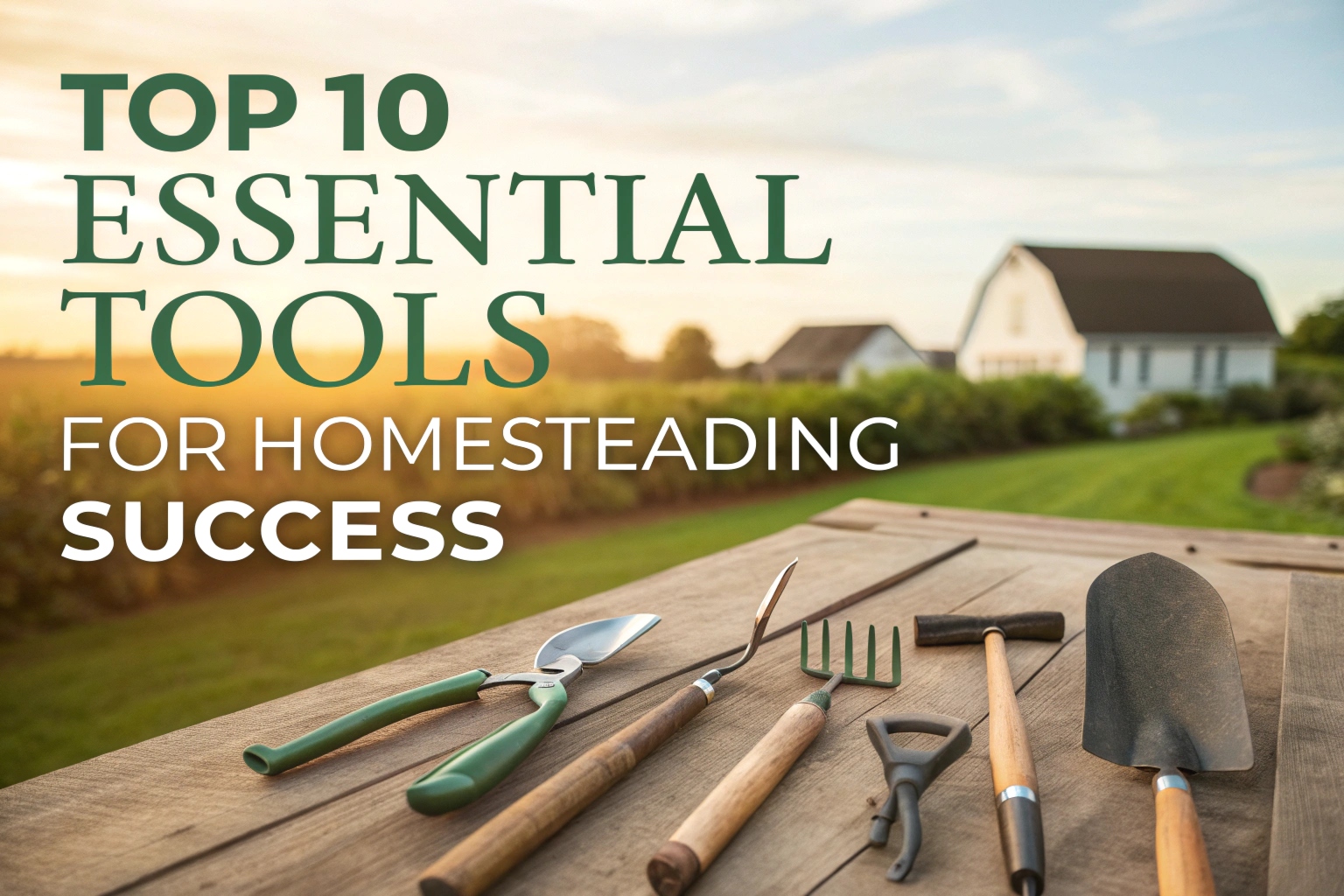
Are you trying to figure out which tools will make your homestead productive, efficient, and enjoyable?
Top 10 Essential Tools For Homesteading Success
This list covers the most useful, multi-purpose tools you’ll come back to again and again on a homestead. You’ll get practical advice on why each tool matters, how to choose one that fits your needs, maintenance tips, cost ranges, and alternatives so you can build a toolkit that grows with your homestead.
Why the right tools matter for your homestead
Choosing the right tools saves you time, reduces physical strain, and increases the chances that projects finish correctly the first time. With durable, well-maintained tools, you’ll be able to manage land, animals, gardens, and buildings more confidently.
How to use this list
This list is arranged so you can prioritize purchases based on immediate needs (safety and shelter) and ongoing chores (gardening, fencing, woodcutting). Use the comparison table and maintenance checklist to plan purchases, track upkeep, and avoid costly downtime.
Quick comparison of the top 10 tools
Below is a compact reference so you can quickly compare purpose, typical cost range, and key strengths of each tool. Use it to prioritize purchases and budget.
| Tool | Primary Purpose | Typical Cost Range (USD) | Key Strength |
|---|---|---|---|
| Axe & Splitting Maul | Cutting and splitting firewood | $30–$200 | Durable, no fuel needed |
| Chainsaw | Cutting trees, firewood logging | $150–$800+ | Fast, efficient for large wood |
| Shovel & Spade | Digging, planting, trenching | $25–$120 | Versatile for many chores |
| Garden Fork | Turning soil, composting | $30–$90 | Gentle on soil, efficient aeration |
| Wheelbarrow / Garden Cart | Hauling soil, feed, tools | $80–$400 | Reduces heavy lifting |
| Hand Tool Kit | Repairs, construction, small jobs | $50–$300 | Essential for maintenance |
| Cordless Drill/Driver | Fast drilling/fastening | $80–$400 | Portable and saves time |
| Pruners, Loppers & Pruning Saw | Tree and shrub care | $20–$180 | Improves plant health |
| Post Hole Digger & Fencing Tools | Installing fences and posts | $40–$300 | Critical for secure fencing |
| Backup Power & Water Management | Power outages & irrigation | $100–$4,000+ | Keeps systems running when needed |
Maintenance and safety schedule (recommended)
A small plan keeps tools working longer and prevents accidents. Below is a simple schedule you can adapt to your use and climate.
| Frequency | Tasks |
|---|---|
| After each use | Clean dirt/debris, dry metal parts, wipe blades, check for damage |
| Weekly (during heavy use) | Sharpen blades, tighten bolts, check batteries/fuel |
| Monthly | Lubricate moving parts, inspect handles for cracks, check electrical cords |
| Annually | Full service: replace worn parts, professional chainsaw tune-up, paint or seal wooden handles |
How to prioritize purchases
Start with items that keep you safe, productive, and independent: a quality shovel, hand tools, and a means to process wood or secure shelter. Then add time-saving power tools and specialty equipment like fencing tools and backup power.
1) Axe & Splitting Maul
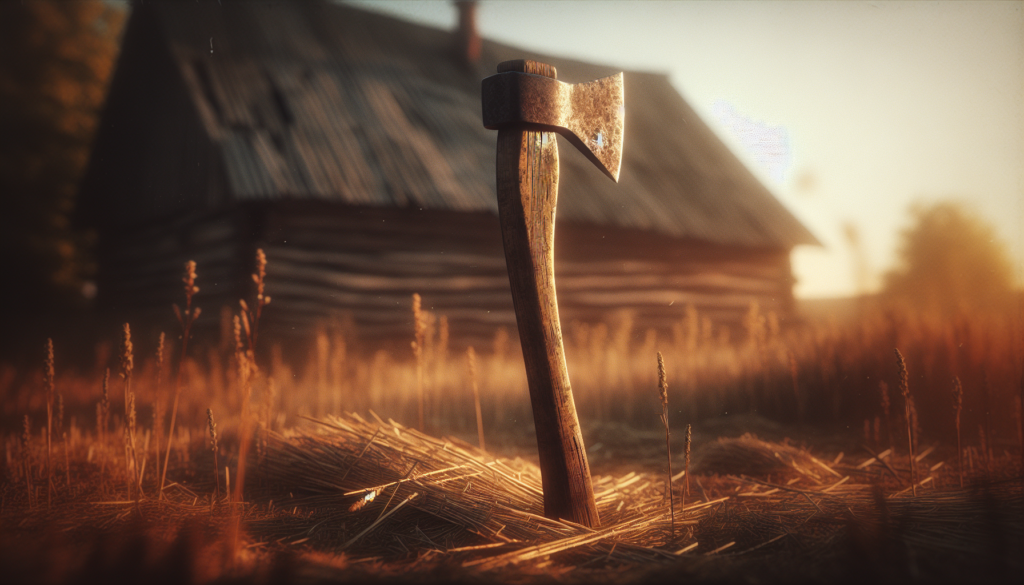
A reliable axe and a splitting maul are cornerstone tools for any homestead that relies on wood for heating or building. You’ll use them for splitting kindling, processing rounds, and small felling tasks when a chainsaw isn’t necessary or practical.
What it is
An axe has a sharp beveled blade for cutting and chopping, while a splitting maul has a heavier head and wedge-shaped blade to force wood apart. Both come with wooden, fiberglass, or composite handles and varying head weights to suit different tasks.
Why you need it
You’ll need an axe or maul for small wood processing tasks, trimming limbs, and splitting firewood in areas where fuel is limited or a chainsaw is unavailable. They’re quiet, require no fuel, and are invaluable if you need to process wood during power outages.
How to choose one
Pick an axe with a head weight and handle length that fit your size and strength—shorter handles give more control, longer handles give more leverage. For a maul, heavier heads (6–8 lb) split larger rounds quickly; lighter options are easier if you’re working longer shifts.
Maintenance & safety
Keep the blade sharp and free of nicks. Oil the head to prevent rust and check handles for cracks; replace handles when they weaken. Use protective gloves and safety glasses, plant your stance firmly, and make sure the chopping area is clear of bystanders.
Cost & alternatives
Expect to pay $30–$200 depending on brand and materials. Alternatives include a splitting wedge with a sledgehammer for very large logs or using a hydraulic log splitter if you process large volumes of wood.
2) Chainsaw (or quality bow/handsaw)
A chainsaw significantly cuts the time and labor required for felling trees, cutting large logs, and trimming major limbs. If you’re managing treelines, clearing land, or processing a lot of wood, a chainsaw will become one of your most-used tools.
What it is
A chainsaw is a motorized saw with a rotating chain that cuts wood quickly and cleanly. They come in gas-powered, corded electric, and battery-powered models with sizes ranging from small pole saws to heavy-duty saws.
Why you need it
When dealing with large diameter logs, storm damage, or regular wood processing, a chainsaw saves hours of hard labor and increases safety by allowing you to work more cleanly and predictably. You’ll also cover jobs that are impractical with a manual saw.
How to choose one
Choose gas-powered if you need continuous heavy use away from power, battery-powered for quieter, lighter tasks with easier maintenance, or corded-electric if you have a dependable power source and need consistent torque. Match bar length to the typical log diameter you’ll cut—longer bars for bigger trees, shorter for portability.
Maintenance & safety
Sharpen the chain regularly, check chain tension, clean the air filter, and follow the manufacturer’s fuel and lubrication guidelines. Always use protective gear: chaps, helmet with ear and eye protection, gloves, and steel-toe boots. Learn proper felling techniques or hire training before tackling big trees.
Cost & alternatives
Expect $150–$800+ based on engine size and features. Alternatives include a manual two-person crosscut saw for sustainable, quiet use or hiring a sawyer for large jobs you don’t do often.
3) Shovel & Spade
A sturdy shovel and a spade are the backbone of most homesteading chores from planting and digging trenches to moving soil and removing sod. These basic tools are used constantly and should be high-quality.
What it is
A shovel is a broad-bladed tool with a curved blade for scooping and moving loose material, while a spade has a flatter, straighter blade for cutting into soil and edging. Handles vary between full-length and D-grip types.
Why you need it
You’ll need both to dig garden beds, plant trees, build raised beds, install irrigation lines, and dig postholes for small projects. They’re also essential for emergency digging and general landscaping.
How to choose one
Select a shovel with a tempered steel blade and a comfortable, sturdy handle. Choose a spade with a sharp edge and a comfortable grip. Consider handle material: fiberglass is durable and weather-resistant; ash or hickory handles are traditional and shock-absorbing.
Maintenance & safety
Keep blades sharp and free from rust; store them off the ground in a dry location. Periodically check and replace wooden handles if they crack. Use proper lifting techniques to protect your back when scooping heavy soil.
Cost & alternatives
Expect $25–$120 for quality shovels and spades. Alternatives include a powered trencher for long irrigation trenches or a spade with a step plate for added leverage.
4) Garden Fork
A garden fork is indispensable for soil preparation, compost turning, and moving bulky material without compacting soil. It works where a shovel is inefficient.
What it is
A garden fork has sturdy, widely spaced tines that penetrate and lift soil and organic matter. The tines resist bending and make it easier to aerate soil, break clumps, and turn compost.
Why you need it
You’ll use a garden fork for loosening compacted soil, breaking up sod, aerating beds, and turning compost piles to accelerate decomposition. It preserves soil structure better than a shovel or rototiller in many situations.
How to choose one
Choose a fork with strong, forged tines and a comfortable handle length so you can work upright comfortably. A heavy-duty fork with thicker tines suits rocky soil, whereas a lighter fork is easier for frequent use in softer soil.
Maintenance & safety
Clean off wet soil to prevent rust and sharpen tine tips when they get dull. Replace handles if splintered and store upright in a dry place. Use the fork with steady, controlled motions to avoid back strain.
Cost & alternatives
Expect $30–$90 for a good garden fork. Alternatives include using a broadfork for deeper aeration or a tiller for larger areas, though tillers can disrupt soil life if overused.
5) Wheelbarrow or Garden Cart
Transporting soil, feed, tools, and harvested produce becomes far easier with a wheelbarrow or garden cart. You’ll reduce heavy lifting and speed up daily chores.
What it is
A wheelbarrow is a single-wheel cart with handles that supports a load over a wheel, while garden carts often have two or four wheels and can carry larger or bulkier loads with more stability. Materials range from steel and heavy-duty plastic to wooden beds.
Why you need it
You’ll use a wheelbarrow or cart to move compost, mulch, rocks, animal feed, and tools. It saves physical strain and allows you to complete multiple tasks in fewer trips.
How to choose one
Pick a wheelbarrow with reinforced steel tray for heavy loads or a plastic tray for rust resistance and lighter weight. Consider tire type: a pneumatic tire gives a smoother ride over rough ground; solid tires are maintenance-free and puncture-proof.
Maintenance & safety
Keep tires inflated if pneumatic, check bolts and handles for looseness, and store upside down to avoid water accumulation. Don’t overload the wheelbarrow to the point it becomes unsafe to lift or maneuver.
Cost & alternatives
Expect $80–$400 depending on size and material. Alternatives include a garden cart that attaches to an ATV for large properties or a utility trailer if you have a vehicle suitable for towing.
6) Basic Hand Tool Kit
A reliable set of hand tools lets you repair fences, fix water systems, build enclosures, and do carpentry. These are the everyday tools that prevent small problems from becoming big ones.
What it is
A hand tool kit includes a hammer, screwdrivers (flat and Phillips), pliers, adjustable wrench, socket set, tape measure, utility knife, chisels, and a level. Quality matters: tools you use every day should be durable.
Why you need it
You’ll use these tools for fence repairs, building raised beds, fixing machinery, and all manner of maintenance. They’re essential for first responses to breakage and general construction work.
How to choose one
Buy individual high-quality pieces rather than cheap multi-piece sets for the most-used items. Look for corrosion-resistant finishes, comfortable grips, and tools with warranties. Add a good tool bag or chest for organization.
Maintenance & safety
Keep tools clean, dry, and oiled when appropriate. Store sharp tools safely and replace worn or chipped blades. Use the right tool for the job to avoid injury and tool damage.
Cost & alternatives
Expect a durable kit to cost $50–$300 for a well-rounded collection. You can expand with specialty tools as projects demand, but those basics will carry you for years.
7) Cordless Drill/Driver (and Impact Driver)
A cordless drill/driver (plus an impact driver if possible) is indispensable for construction, repairs, fencing, and building. You’ll save time and eliminate manual strain with these compact power tools.
What it is
A cordless drill/driver uses rechargeable batteries to drill holes and drive screws; an impact driver provides extra torque for tougher fastening tasks. Batteries are typically lithium-ion and come in various voltages.
Why you need it
You’ll use a drill for assembling structures, mounting hardware, and routine repairs. An impact driver handles lag bolts, deck screws, and dense materials without stripping heads.
How to choose one
Choose a reputable battery platform with spare batteries and a fast charger to minimize downtime. A drill in the 18–20V range (or 12–18V for lighter tasks) suits most homestead jobs. Consider brushless motors for longer life and better efficiency.
Maintenance & safety
Keep batteries charged and stored properly; avoid extreme temperatures. Keep vents free of dust and debris, and use the correct bits for the materials you’re working with. Wear eye protection when drilling.
Cost & alternatives
Expect $80–$400 for a good cordless kit with two batteries and a charger. For heavy-duty tasks, consider a corded drill for continuous power or a hammer drill for masonry.
8) Pruners, Loppers & Pruning Saw
Maintaining trees, shrubs, and vines requires the right cutting tools. Proper pruning keeps plants healthy, encourages fruiting, and reduces storm damage risk.
What it is
Pruners (hand pruners or secateurs) cut small branches, loppers handle medium-sized branches, and pruning saws cut thicker limbs. Each tool is designed for a specific size range and cut type.
Why you need it
Pruning helps you shape fruit trees, remove diseased wood, and maintain access paths and fences. Clean cuts heal faster and reduce disease spread, making the right tool important for plant health.
How to choose one
Choose bypass pruners for live branches and anvil pruners for deadwood; bypass-style often gives cleaner cuts. Get loppers with long handles and ratcheting mechanisms if needed for added leverage, and a folding or curved pruning saw for thicker branches.
Maintenance & safety
Sharpen blades regularly and oil pivot points to keep cuts clean. Sanitize tools between diseased plants to prevent spreading pathogens. Wear gloves and eye protection and step back to avoid falling branches.
Cost & alternatives
Expect pruners for $20–$100, loppers $30–$180, and pruning saws $20–$100. Alternatives include pole pruners for high branches and hiring arborists for large or hazardous tree work.
9) Post Hole Digger & Fencing Tools
Secure fencing keeps animals safe, protects gardens, and establishes property lines. A post hole digger and the right fencing tools let you build strong, long-lasting enclosures.
What it is
A manual post hole digger lifts soil from narrow holes for posts, while fencing tools include fencing pliers, staple hammers, wire stretchers, post drivers, and tensioners. These tools help you install and maintain fencing quickly and correctly.
Why you need it
A good fence prevents animal escapes, protects crops, and keeps predators out. Properly set posts with correct tension on wire or board fencing will last for years and tolerate weather cycles.
How to choose one
Select a post hole digger with sturdy blades and comfortable handles. Invest in a post driver for metal posts and heavy-duty fencing pliers that combine multiple functions (cutting, gripping, hammering). If you’ll do a lot of fencing, a manual or gas-powered auger saves time.
Maintenance & safety
Keep tools clean and sharpen cutting edges when needed. Protect hands with gloves and follow posture techniques to avoid back injuries. When setting posts, check for underground utilities before digging.
Cost & alternatives
Expect manual post hole diggers and hand tools for $40–$300. Augers and post drivers increase the cost but reduce labor. For extensive fencing, hiring a fencing crew can be more efficient than buying all the heavy equipment.
10) Backup Power & Water Management Tools
Reliable power and consistent water supply are foundational. Backup power and water management tools help you keep essential systems running during outages or drought.
What it is
Backup power options include portable gas generators, inverter generators, and solar-based battery systems. Water management tools include hoses, rain barrels, pumps, fittings, timers, and drip irrigation components.
Why you need it
When grid power fails you’ll still need to run pumps, freezers, heaters, and lighting. Managing water efficiently with rain capture and drip systems reduces dependence on external supplies and stabilizes irrigation during dry spells.
How to choose one
Match generator capacity to the critical loads you need to run—freezer, water pump, and minimal lighting. For solar systems, size batteries and panels to meet expected loads and charge times. For water, choose durable hoses, install a rainwater collection system sized to your roof and rainfall, and use drip irrigation for high-efficiency watering.
Maintenance & safety
Run generators periodically and follow fuel safety rules; store fuel safely and maintain engines with scheduled servicing. Keep water filters clean and winterize rain barrels and pumps in cold climates. Install proper electrical transfer switches and consult an electrician for complex systems.
Cost & alternatives
Portable generators range from $300–$2,000+, while whole-home solar backup systems can exceed $4,000 depending on capacity. Rainwater systems and pumps can be modest ($100–$1,000+) depending on scale. Alternatives include manual water delivery for small properties or contracting backup services.
Building your homestead toolkit over time
You don’t need to buy everything at once. Start with tools that address safety, shelter, and water. The sequence below is a pragmatic approach for many homesteaders:
- Basic hand tools + toolbox
- Shovel, spade, and garden fork
- Wheelbarrow or garden cart
- Pruners and loppers
- Axe/splitting maul
- Cordless drill and extra batteries
- Chainsaw or handsaw (based on wood needs)
- Post hole digger and fencing kit
- Water management tools (hoses, rain barrels, pumps)
- Backup power (generator/solar) when budget allows
Each step minimizes downtime and keeps your homestead functional while you save for larger investments.
Budget tips and buying strategies
Buy quality where it matters: axes, saws, drills, and fences will save money long-term if they last. For items used infrequently, consider renting (augers, large log splitters) or buying used. Prioritize multi-purpose tools and stick with battery platforms that allow you to share batteries across tools.
Storage and organization tips
Store tools in a dry, secure place to prevent rust and theft, ideally on racks or pegboards so they’re accessible and visible. Label containers and keep a small repair kit with spare bolts, extra blades, and lubricant for quick fixes. A checklist near the entrance to your tool area ensures you return items and maintain order.
Safety and PPE (Personal Protective Equipment)
Your tools are only as good as your safety practices. PPE protects you during repetitive work and when accidents happen.
Essential PPE items
- Gloves (leather or cut-resistant)
- Eye protection (safety glasses or face shield)
- Ear protection for loud tools
- Steel-toe boots for crushing hazards
- Chainsaw chaps and helmets when operating saws
Always match your PPE to the task. Regularly inspect PPE for wear and replace when it no longer offers full protection.
Long-term maintenance and replacement planning
Every tool has a lifespan. Tracking wear and scheduling routine maintenance lowers the chance of unexpected failures.
Create a maintenance log
Create a simple log—digital or paper—to record purchase dates, service, blade changes, and hours of heavy use. This log helps you plan replacements and saves money by preventing catastrophic failures.
Know when to repair vs. replace
Repair if parts are available and the cost is a fraction of the tool’s value. Replace when safety is compromised or repair costs approach replacement cost. For power tools, factor in battery lifespan—batteries often wear before motors do.
Final checklist for your first year on the homestead
This checklist covers immediate needs and near-term purchases to help you stay organized during your first year:
- Essential hand tools (hammer, screwdrivers, pliers, wrench set)
- Shovel, spade, and garden fork
- Wheelbarrow or garden cart
- Pruners and loppers
- Cordless drill/driver with 2 batteries and charger
- Axe and splitting maul (if using wood)
- Chainsaw or handsaw (based on wood needs)
- Post hole digger and fencing pliers
- Hoses and basic irrigation supplies
- Basic PPE (gloves, eye and ear protection, steel-toe boots)
- A small maintenance kit (files, oil, spare blades, tire pump)
Use the maintenance table above to keep everything in working order and to plan for upgrades when you have the budget.
Conclusion
You’ll save time, stay safer, and get more done with the right tools at your homestead. Start with essentials that protect your shelter, water, and ability to repair, then expand into wood processing, fencing, and backup power as your needs grow. With planning, quality purchases, and regular maintenance, your tools will repay you in reliability and reduced effort.
If you want, I can help you prioritize which tools to buy first for your specific homestead size, climate, and budget. Which tasks are most common on your property right now?