
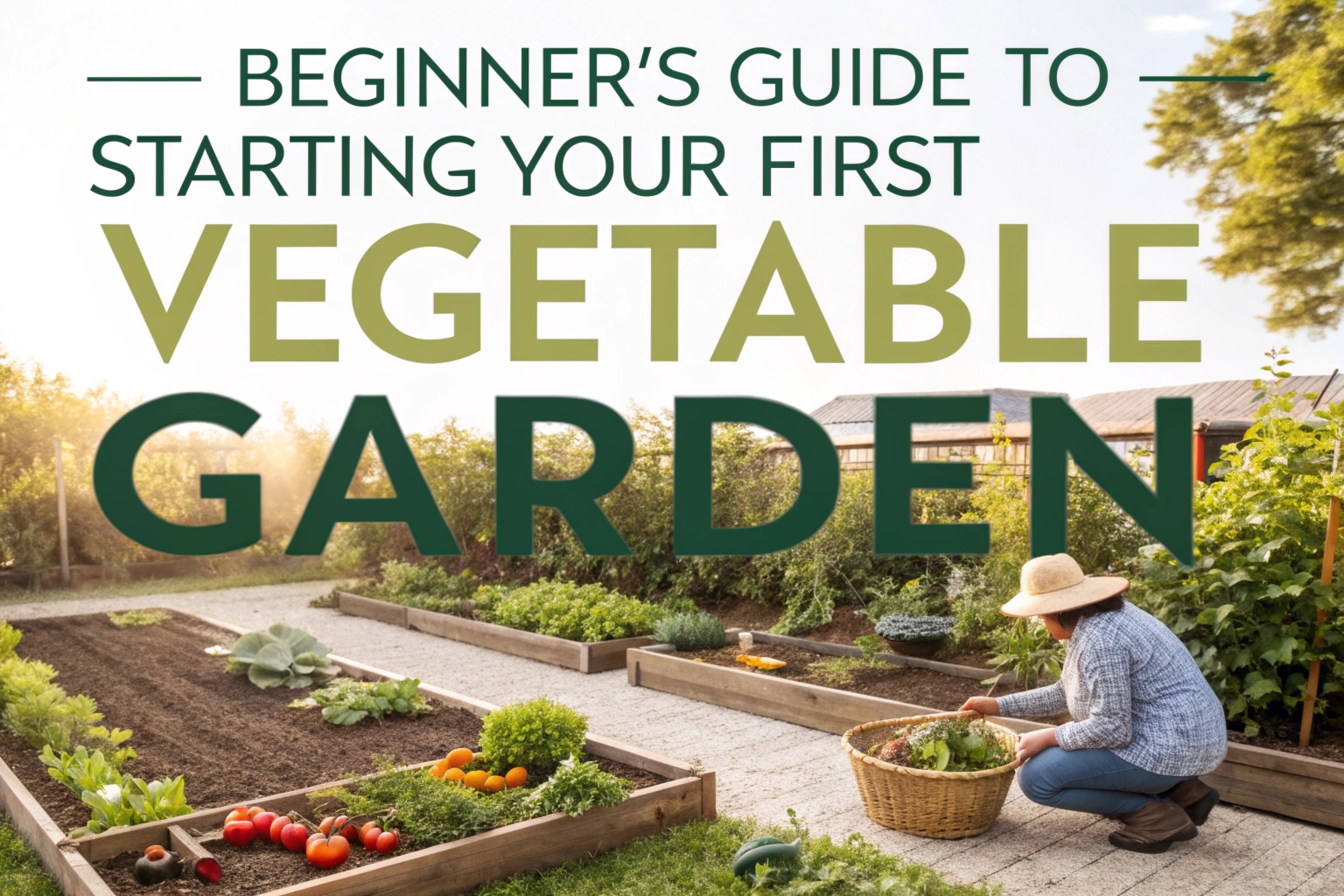
Have you ever imagined harvesting fresh tomatoes, crisp lettuce, and fragrant herbs straight from a small patch outside your door?
Beginner’s Guide To Starting Your First Vegetable Garden
Starting your first vegetable garden can feel exciting and a little overwhelming at the same time. This guide walks you through each step in friendly, practical language so you can plan, plant, and maintain a productive garden that fits your time, space, and taste preferences.
Why Start a Vegetable Garden?
Growing your own vegetables gives you fresher, tastier produce and the satisfaction of creating food from seed. You’ll also gain healthier eating habits and a relaxing outdoor hobby that connects you to the seasons and the soil.
Planning Your Garden
Good planning saves time and frustration later. When you take a few thoughtful steps up front, you’ll avoid common mistakes like planting in the wrong spot or putting crops too close together.
Set Clear Goals
Decide what you want to achieve with your garden: affordable fresh produce, quality heirloom vegetables, a learning project for kids, or ornamental edibles. Your goals will shape the size, layout, and crops you choose.
Determine Available Space and Sun
Measure the area you have and note how much direct sunlight each location gets during the day. Most vegetables need at least 6–8 hours of sun, but leafy greens will tolerate a bit less. Knowing your space and sun helps you choose the right crops.
Consider Budget and Time
Think about how much money and time you can commit. Raised beds, soil amendments, and irrigation cost more up front, but may save you time and improve yields. If you have limited time, prioritize low-maintenance vegetables and efficient watering.
Make a Simple Sketch
Draw a basic plan of your garden area, marking sunny and shady spots, pathways, and water access. A sketch helps you visualize spacing and rotation so plants won’t overcrowd each other.
Choosing a Location
Pick a site with good sunlight, easy water access, and well-draining soil if possible. Proximity to your kitchen encourages frequent harvesting and care.
Avoid Problem Areas
Do not place beds directly under large trees where roots and shade compete with vegetables. Also avoid low spots that collect water and areas exposed to strong winds that damage plants.
Consider Microclimates
Small changes in your yard—like a south-facing wall or raised decking—create microclimates that can extend your season. Use warmer microclimates for heat-loving crops and cooler spots for leafy greens.
Understanding Soil and Preparation
Healthy soil is the foundation of a productive garden. Spend time improving your soil rather than relying solely on fertilizers.
Test Your Soil
A basic soil test tells you pH and nutrient levels. You can get kits from garden centers or contact your local extension service. Knowing your soil’s pH helps you select appropriate amendments for better nutrient uptake.
Improve Soil Structure
Work organic matter—compost, well-rotted manure, or leaf mold—into your soil to improve drainage, aeration, and nutrient content. Good structure encourages strong roots and healthy microbes.
Soil Amendments Table
| Amendment | Purpose | How to Use |
|---|---|---|
| Compost | Adds organic matter, nutrients | Work into top 6–8 inches before planting |
| Aged manure | Nutrients, organic matter | Mix well and age to reduce salts |
| Lime | Raises pH (makes soil less acidic) | Apply based on soil test recommendations |
| Sulfur | Lowers pH (makes soil more acidic) | Apply carefully per soil test |
| Perlite / sand | Improve drainage in heavy soils | Mix into soil at planting time |
| Bone meal | Phosphorus for root and bloom development | Mix into planting holes or soil |
Composting Basics
Compost recycles kitchen scraps and yard waste into a valuable soil amendment. Keep a balanced mix of greens (fresh kitchen waste, grass clippings) and browns (leaves, straw), maintain moisture, and turn periodically to speed decomposition.
Garden Types: In-Ground, Raised Beds, and Containers
You can grow vegetables in many ways. Each method has pros and cons depending on your soil, space, and mobility.
In-Ground Gardens
In-ground beds are economical and retain moisture well in established soils. They require good natural soil or significant amendment, and they’re best when you have a larger yard and decent native soil.
Raised Beds
Raised beds warm faster in spring, improve drainage, and reduce compaction. They’re great if you have poor native soil, limited space, or want ergonomic height. Raised beds require initial investment for materials and filling.
Containers
Containers are the most flexible for balconies, patios, and small areas. You can control soil quality and move containers to follow the sun. Choose larger pots for bigger crops (tomatoes, peppers) and small pots for herbs and lettuce.
Choosing Vegetables for Beginners
Start with easy, reliable crops that give quick rewards and boost confidence. Choose varieties that match your climate and available season length.
Beginner-Friendly Vegetables Table
| Vegetable | Time to Harvest (days) | Sun | Notes |
|---|---|---|---|
| Lettuce | 30–60 | Partial to full sun | Fast-growing, can harvest leaves continually |
| Radish | 20–30 | Full sun | Very quick, good for succession planting |
| Green beans | 50–65 | Full sun | Easy to grow, bush or pole varieties |
| Spinach | 30–45 | Partial to full sun | Cool-season crop |
| Tomatoes (bush determinate) | 60–85 | Full sun | Start with disease-resistant varieties |
| Zucchini | 45–55 | Full sun | High-yielding, space-efficient with proper spacing |
| Peppers | 60–90 | Full sun | Warm-season, slow to start but rewarding |
| Carrots | 60–80 | Full sun | Needs loose soil; choose short varieties for shallow beds |
| Cucumbers | 50–70 | Full sun | Train on trellis to save space |
| Herbs (basil, parsley) | 30–70 | Full sun | Useful and low-maintenance |
Match Crops to Your Climate
If you have a short growing season, prioritize quick-maturing varieties or cool-season crops. In warm climates, you can grow heat-loving vegetables for longer periods.
Seeds vs. Transplants (Starts)
Deciding whether to start from seed or buy transplants affects timing and cost. Both approaches are valid for beginners.
Starting From Seed
Seeds are economical and offer the widest variety of cultivars. You’ll need seed trays, light, and a controlled area if starting indoors. Seeds give you control over timing and plant health from the beginning.
Buying Transplants
Transplants are convenient and reduce the waiting period before harvest. Buying healthy starts from a trusted nursery helps you avoid early-season mistakes. For tomatoes and peppers, many beginners prefer transplants to jumpstart the season.
Starting Seeds Indoors
If you start seeds indoors, provide bottom heat if possible, consistent moisture, and bright light. Use a good seed-starting mix and label trays clearly. Transplant seedlings outdoors only after hardening them off.
Hardening Off and Transplanting
Gradually acclimate seedlings to outdoor conditions over 7–10 days by exposing them to increasing sunlight and wind. Plant on a calm, overcast day or in the evening to reduce transplant shock.
Planting Basics
Timing, depth, and spacing affect productivity. Follow seed packet instructions and adjust for your garden plan.
Planting Depth and Spacing
Plant seeds at the depth recommended on the seed packet—usually 2–3 times the seed width. Give plants enough room to grow; overcrowding leads to disease and lower yields.
Succession Planting
To maintain continuous harvests, plant short-season crops (radishes, lettuce) in staggered intervals every 2–3 weeks. This strategy avoids a sudden glut and keeps your kitchen supplied.
Intercropping and Companion Planting
Mix fast-growing and slow-growing crops to maximize space (e.g., radishes between slower carrots). Some plants deter pests or boost growth for their neighbors; practice companion planting based on reliable sources.
Watering and Irrigation
Proper watering is one of the most important skills for a successful garden. Overwatering and underwatering both harm plants.
How Much and How Often
Aim for deep, infrequent watering that encourages strong root systems. Most vegetable gardens need about 1–1.5 inches of water per week, more in very hot weather. Adjust frequency based on soil type: sandy soils need more frequent watering than clay soils.
Best Methods: Drip vs. Overhead
Drip irrigation and soaker hoses deliver water to the root zone and reduce disease by keeping foliage dry. Overhead watering is acceptable for small gardens or morning routines but can increase leaf disease if done late in the day.
Mulching to Conserve Water
Apply a 2–4 inch layer of organic mulch (straw, shredded leaves) around plants to retain soil moisture, regulate temperature, and suppress weeds. Mulch also gradually adds organic matter as it decomposes.
Watering Frequency Table
| Stage | Frequency | Notes |
|---|---|---|
| Seed germination | Keep soil consistently moist | Use gentle misting or light watering daily |
| Seedlings | Every 1–2 days (depending on conditions) | Avoid drying out; shallow roots |
| Established plants | Deep watering 1–3 times weekly | Adjust for rainfall and temperature |
| Fruiting stage | Maintain consistent moisture | Prevent cracking and blossom end rot |
Fertilizing
Feed your garden based on soil test results and crop needs. Too much fertilizer can harm plants and the environment.
Types of Fertilizers
Organic options include compost, aged manure, and seaweed/kelp. Synthetic fertilizers supply specific nutrients quickly but require careful use. Use balanced fertilizers for general feeding and specialized feeds (higher potassium or calcium) when needed.
When to Fertilize
Apply a slow-release or organic fertilizer at planting, and side-dress (add fertilizer beside the plants) during the growing season for heavy feeders like tomatoes and corn. Leafy greens often need a nitrogen boost, while root crops prefer moderate feeding.
Pest and Disease Management
Pests and diseases are part of gardening, but you can manage them with prevention and early action.
Preventive Practices
Rotate crops annually, remove garden debris, choose disease-resistant varieties, and maintain healthy soil. Healthy plants are less prone to pests and disease.
Identifying Pests and Diseases
Regularly inspect leaves, stems, and fruit. Learn common signs such as holes in leaves (insects), discolored patches (disease or nutrient deficiency), and sticky residues (sap-sucking pests).
Organic Controls
Hand-pick large pests, use row covers to exclude insects, apply insecticidal soaps for soft-bodied pests, and attract beneficial insects with flowering plants. For fungal diseases, improve air circulation and use organic fungicides when necessary.
Weeding and General Maintenance
Weeds compete for nutrients and water. Regular, light maintenance keeps the garden productive.
Mulch and Mechanical Control
Mulch prevents many weeds from establishing. For small weeds, hand-pulling or hoeing when seedlings are small is most effective. Consistent weeding saves time and prevents weeds from setting seed.
Pruning and Training
Prune tomato suckers for determinate varieties as needed and train vining plants (cucumbers, peas) on trellises to improve airflow and save space. Remove diseased foliage promptly to reduce spread.
Harvesting and Storage
Knowing when and how to harvest ensures peak flavor and prolonged yield.
Harvest at Peak Ripeness
Pick vegetables when they reach their prime for taste and texture—tomatoes fully colored and slightly soft, cucumbers firm, and lettuce leaves crisp. Frequent harvesting often stimulates further production.
Proper Harvesting Techniques
Use clean, sharp shears or scissors for delicate stems and twist or cut fruit to avoid plant damage. Store harvested produce correctly: cool leafy greens, dry root vegetables before storage, and keep herbs in water or lightly wrapped.
Simple Preservation Methods
If you have an abundance, preserve produce by freezing, pickling, drying, or canning. These methods let you enjoy your harvest year-round.
Extending the Season
Extend your planting window to get more from your garden by protecting plants from cold or heat.
Row Covers and Cold Frames
Lightweight row covers protect seedlings from frost and insect pests. Cold frames are small, unheated greenhouses that warm soil and air, allowing earlier planting and slower decline in fall.
Season Extension Techniques
Use mulch to moderate soil temperature, start seeds indoors for early transplants, and choose varieties bred for short seasons to squeeze in more crops.
Troubleshooting Common Problems
Problems are part of learning. Early diagnosis and simple fixes will keep your confidence up.
Common Issues and Solutions
- Poor germination: Seeds too deep, soil too cold, or old seed. Start seeds shallower, warm soil, or get fresh seeds.
- Yellow leaves: Overwatering, nutrient deficiency, or pests. Check soil moisture and consider a soil test.
- Blossom end rot (tomatoes, peppers): Calcium deficiency often caused by inconsistent water. Maintain even moisture and add calcium if soil test recommends.
- Stunted growth: Compacted soil, poor nutrients, or root damage. Loosen soil, add compost, and avoid disturbing roots.
Sustainable Gardening Practices
Adopt practices that conserve resources and build soil health for long-term productivity.
Water Conservation
Use drip irrigation, mulch, and gather rainwater with barrels. Water in the morning to reduce evaporation and disease risk.
Crop Rotation and Diversity
Rotate plant families to reduce disease buildup and pests. Grow a diversity of crops to support beneficial insects and soil health.
Saving Seeds
Save seeds from open-pollinated varieties to reduce costs and perpetuate favored traits. Properly label and dry seeds before storage in a cool, dark place.
A Simple Seasonal Checklist
A short checklist helps you plan tasks by season so you don’t miss critical timings.
| Season | Key Tasks |
|---|---|
| Late Winter / Early Spring | Plan garden, order seeds, start seeds indoors for warm-season crops |
| Spring | Prepare beds, plant cool-season crops, install supports and irrigation |
| Early Summer | Mulch, water deeply, plant warm-season transplants, watch for pests |
| Mid to Late Summer | Harvest regularly, succession plant short crops, shade vulnerable plants |
| Fall | Plant fall crops, clear spent plants, compost healthy debris |
| Winter | Plan next year, maintain tools, start seed cataloging |
Tools and Essentials
You don’t need every gadget, but a few essential tools make tasks easier and more enjoyable.
Basic Tool List
- Hand trowel and fork for planting and weeding
- Garden hoe for cultivation
- Watering can or hose with adjustable nozzle
- Pruning shears for trimming and harvesting
- Gloves to protect hands and reduce blisters
- Soil thermometer and pH kit (optional but helpful)
Records and Learning
Track what you plant, dates of sowing and harvesting, and what worked or failed. A simple garden journal helps you improve each season and tailor choices to your unique microclimate.
Seek Local Knowledge
Local extension services, gardening clubs, and nearby experienced gardeners offer region-specific advice that outperforms generic recommendations. Observing neighbors’ successes and failures speeds up your learning curve.
Resources and Next Steps
Gather a few trusted seed catalogs, reliable gardening websites, and a local calendar for planting dates. Start small, learn from each season, and gradually expand as you gain confidence.
Recommended First Steps
- Choose a small, manageable area with good sun.
- Decide whether you’ll build raised beds or use containers.
- Pick three to five beginner-friendly vegetables.
- Prepare soil with compost and test pH if possible.
- Start seeds or buy healthy transplants and harden them off.
- Water consistently and mulch to retain moisture.
- Harvest frequently and keep notes for the next season.
Final Thoughts
You can create a productive and rewarding vegetable garden even with limited space and experience. By planning thoughtfully, improving your soil, choosing the right crops, and practicing consistent care, you’ll enjoy fresh produce and steady progress each season. Treat mistakes as lessons gardening is as much about observation and adaptation as it is about technique.
If you’d like, tell me where you live or how much space you have and I’ll help you choose a specific plan and an initial plant list that suits your conditions.