
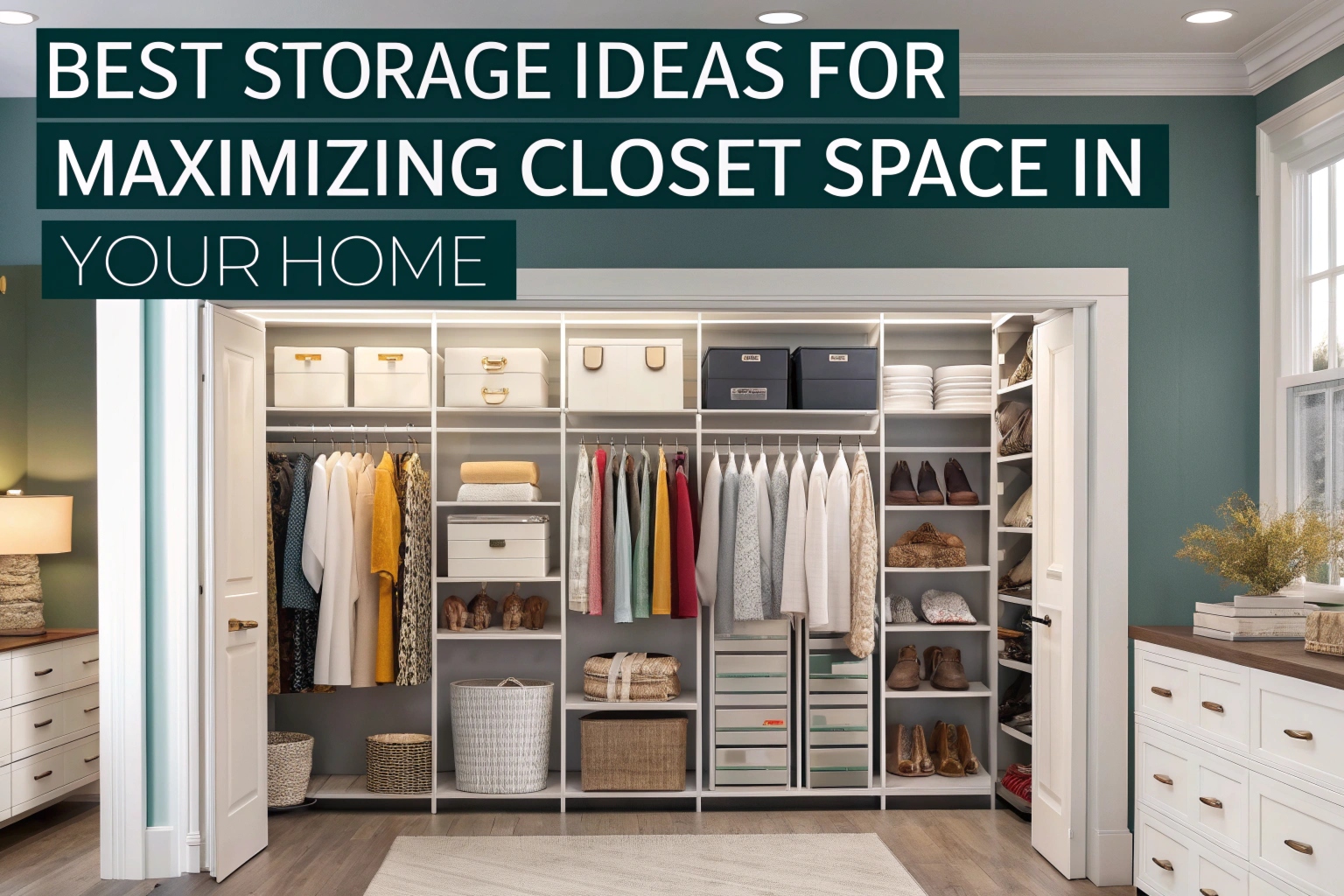
Would you like to turn your crowded closet into a calm, organized space that actually works for your life?
Best Storage Ideas For Maximizing Closet Space In Your Home
You can make more room, find items faster, and feel less stressed every time you open your closet. This article walks you through practical, friendly strategies to maximize closet space in every room of your home. Every section includes clear tips you can implement today, whether you prefer small, budget-friendly fixes or a full custom system.
Assess Your Closet Needs and Space
Start by taking stock. Knowing exactly what you own and how much space you have is the foundation for any good closet design.
Measure the height, width, and depth of your closet, note the location of doors and electrical outlets, and identify awkward nooks or obstructions. Then tally your clothing types: long garments, suits, casual wear, shoes, accessories, and seasonal items. This will help you choose the right combination of shelves, rods, and drawers.
Measure and Map Your Closet
A simple sketch with measurements saves hours of guessing later. Measure the closet’s full height, the width of each wall segment, and depth from the door to the back wall. Note ceilings, moldings, and any obstacles like HVAC vents.
Use the measurements to plan shelf placement and rod heights. Accurate numbers make shopping for pre-made organizers or designing custom solutions much easier.
Analyze Your Wardrobe
You should know how many dresses, pants, shirts, and shoes you own so you can allocate appropriate space. Ask yourself: which items do you wear regularly? Which are seasonal? Which are sentimental but rarely used?
Knowing usage frequency helps you create zones — everyday clothing needs easy access, while rarely worn items can be stored higher or in less accessible containers.
Declutter and Edit Regularly
Closets become cluttered when you keep items that no longer fit, suit your style, or serve your lifestyle. Commit to a regular editing routine.
Set a decluttering schedule you can stick to, like a quick quarterly check and a more thorough annual edit. When you remove items, categorize them into keep, repair, donate, recycle, or discard. You’ll create immediate space and be able to make better storage choices.
How to Decide What to Keep
Ask simple questions: Have you worn it in the past year? Does it fit? Does it make you feel confident? If the answer is no, consider letting it go. For sentimental items, keep a small, labeled box but avoid letting emotion override practicality.
Organize by Category and Create Zones
Group like with like. Organizing by category—tops, bottoms, outerwear, accessories, shoes—reduces hunting time and creates visual calm.
Assign zones in your closet: everyday favorites at eye level, long-term storage up high, shoes and accessories below. Zones help you maintain order and streamline your daily routine.
Example Zone Layout
- Eye level: shirts, blouses, frequently worn jackets
- Mid level: folded sweaters, jeans, handbags
- Lower level: shoes, baskets for small items
- Upper shelves: off-season clothing, extra linens
Smart Storage Solutions
There are many tools available to squeeze more storage from the same footprint. Combine a few complementary solutions for the best results.
Adjustable Shelving
Adjustable shelves let you change shelf heights as your needs evolve. They’re ideal for folded clothing, handbags, and bins. Choose strong brackets and shelf materials to avoid sagging under heavy loads.
Benefits:
- Flexibility for changing wardrobe sizes
- Efficient use of vertical space
- Easy to reconfigure without major renovations
Double-Hang and Split Rods
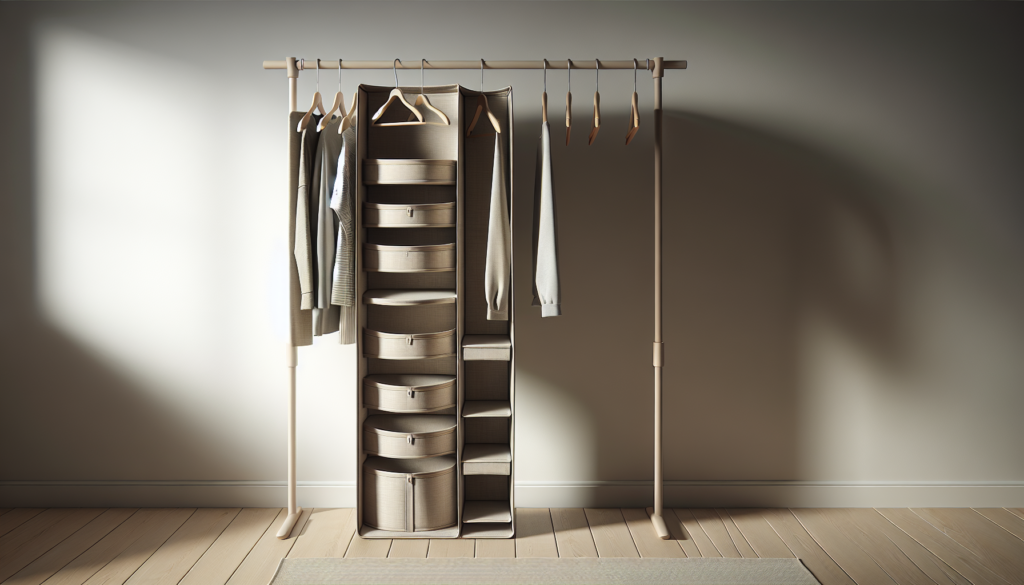
Adding a second hanging rod below an upper rod effectively doubles hanging capacity for shorter garments like shirts and pants. Split rods (offset heights) allow long garments on one side and double-hang on the other.
Recommended heights:
- Upper rod for long garments: 60–66 inches from floor
- Double-hang rods: top at 80–84 inches for space efficiency or standard: top at 84 inches with bottom at 42–44 inches for shirts/pants
(See the table below for common garment clearance.)
| Garment Type | Recommended Clearance (floor to rod/bottom) |
|---|---|
| Long dresses/coats | 60–66 inches |
| Pants (folded) | 36–42 inches |
| Shirts/blouses | 40–44 inches |
| Double-hang setup | Top rod 80–84 inches, bottom rod 42–44 in. |
Pull-Out Drawers and Baskets
Drawers keep smaller items neat and out of sight, while pull-out baskets provide visibility and air flow. Use drawers for underwear, socks, and accessories; baskets work well for bulky items like scarves and knitwear.
Consider soft-close drawer hardware for a smoother experience.
Shoe Storage Solutions
Shoes are one of the largest space hogs. Use a combination of solutions: shoe shelves, cubbies, over-the-door racks, and clear stackable boxes for visibility.
- For many pairs: angled shelves or cubbies maximize footprint.
- For infrequent wear: clear boxes stacked on high shelves.
- For entryway closets: slanted shelves make grabbing shoes effortless.
Door-Mounted Organizers
Utilize interior closet doors for extra storage. Slim pockets or racks can hold shoes, belts, scarves, and small accessories without consuming shelf or floor space.
Door organizers are inexpensive and installation is usually tool-free. Just ensure door swing and handles don’t obstruct closures.
Shelf Dividers and Cubbies
Shelf dividers keep piles of clothing from toppling and maintain clean lines. Cubbies are perfect for folded items and shoes. They make visual inventory easy so you know exactly what you have.
Belt, Tie, and Jewelry Organizers
A small investment in organizers for belts, ties, and jewelry prevents these items from becoming tangled and lost. Wall-mounted racks or drawer inserts are space-efficient and keep your accessories ready to wear.
Hooks, Pegboards, and Wall Panels
Hooks are versatile: use them for bags, hats, and frequently used items. Pegboards and slatwall systems let you customize hanging accessories and shift positions easily as your needs change.
Under-Shelf Baskets
Under-shelf baskets clip onto existing shelves to create additional shallow storage. They work well for small items like gloves, headbands, or thin folded items.
Hanging Organizers for Handbags
Hang handbags by their handles on hooks or a rail to protect shape and save shelf space. Alternatively, use cubbies sized to handbag dimensions to keep them upright and visible.
Clear Bins and Labeling
Clear bins let you see contents at a glance, and consistent labeling reduces the time spent searching. Use uniform bin sizes when possible to stack neatly and maximize the shelf footprint.
Make Use of Vertical Space
Closets often waste vertical space above heads. Use it.
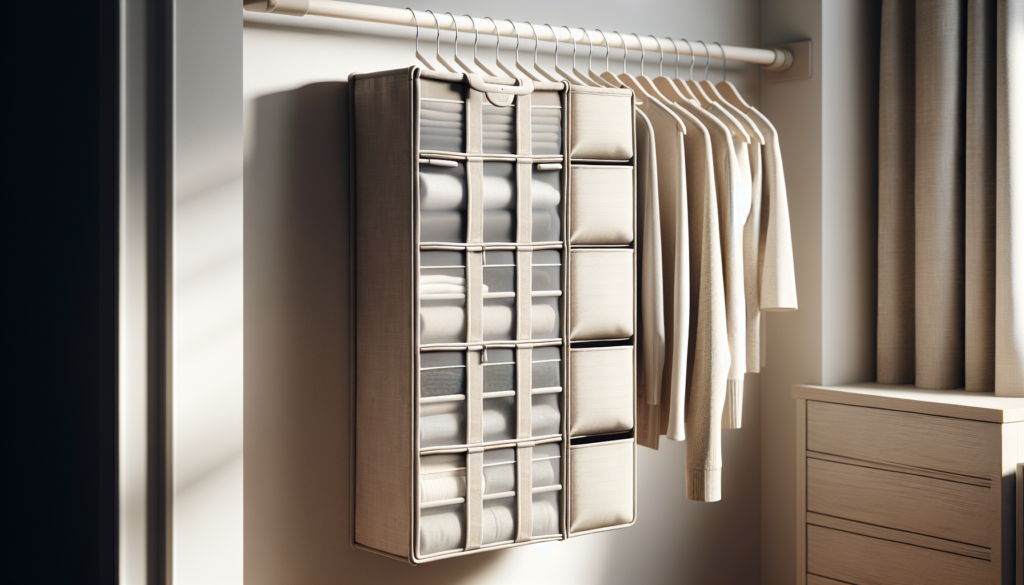
Install shelves up to the ceiling and store less-used or seasonal items on the topmost shelves. Add a small step stool or pull-down rod to access these items safely. Vertical drawers, tall shoe towers, and hanging shelves also increase capacity.
Pull-Down Rods and Ladder Solutions
If ceiling height exceeds 8 feet, a pull-down rod system brings clothes within reach while allowing storage at full height. A sliding ladder for very tall closets adds style and function for larger walk-ins.
Lighting and Visibility
Good lighting makes your closet easier to use and helps you see colors and fabrics clearly. Consider LED strip lighting, puck lights, or motion-sensor fixtures.
Battery-powered LED strips are easy to install and work well in closets without existing wiring. Motion sensors turn lights on automatically when you open the door, saving energy and hassle.
Types of Closet Lighting
- LED strips: flexible, low-heat, easy to install
- Puck lights: spot illumination for shelves
- Motion-sensor lights: automatic on/off convenience
- Wired fixtures: best for permanent, high-end installations
Use the Right Hangers and Spacing
Hangers influence how much you can store and how well garments hang. Slimline, non-slip velvet hangers take less space and keep clothes from sliding off. Wooden hangers are sturdy for heavy coats and suits.
Spacing rule: leave a little breathing room between garments for easier access and less wrinkling. A good rule of thumb is to allow about 1–2 inches between items, depending on fabric.
Hanger Types and Best Uses
| Hanger Type | Best For |
|---|---|
| Velvet slimline | Maximizes space, keeps clothes in place |
| Wooden | Heavy coats, suits, blazers |
| Padded | Delicate fabrics, dresses |
| Clip hangers | Skirts, pants |
| Cascading hooks | Vertical hangers for multiple garments |
Seasonal Rotation and Off-Season Storage
Rotate your wardrobe seasonally to keep current clothing accessible and reduce clutter. Store off-season items in labeled bins on upper shelves, under-bed containers, or vacuum-seal bags if space is tight.
Keep delicate or leather items out of vacuum bags if long-term storage could damage them. Use breathable fabric bags for shoes and specialty garments.
Seasonal Storage Checklist
- Clean and repair garments before storing
- Use breathable containers for leather and natural fibers
- Label boxes with contents and season
- Store heavy items on lower shelves for safety
Maintain and Update Your System
A well-designed closet still needs maintenance. Set a quick weekly and deeper monthly routine to keep things orderly.
Weekly: Return items to their designated spots, rehang clothing, and fold any piles on shelves.
Monthly: Reassess items out of place, declutter one small area, and update labels if needed.
10-Minute Reset Routine
Spend 10 minutes at the end of each week:
- Straighten hangers
- Fold and stack laundry
- Put away shoes
- Remove one unnecessary item to donate
This short habit prevents clutter build-up and keeps your closet functioning smoothly.
Closet Types and Specific Solutions
Closets vary, and different designs require different approaches. Here are tailored tips for common closet types.
Reach-In Closets
Reach-in closets are compact and require efficient layouts. Use double-hang rods, slimline hangers, and stacked shoe organizers. Install floor-to-ceiling shelving on one side and hanging rods on the other to balance storage.
Walk-In Closets
You have more flexibility in a walk-in. Create designated zones for dressing, shoe storage, and accessories. Consider an island with drawers for accessories and a bench for dressing. Add lighting and mirrors for a more pleasant experience.
Small or Narrow Closets
Use vertical storage and slim fixtures. Over-the-door organizers, wall hooks, and compact hanging shelves can multiply usable space. Consider eliminating shelves that are too deep and replacing them with shallower solutions to improve accessibility.
Closets with Sliding Doors
Sliding doors limit access to only half the closet at a time. Use symmetrical organization so each side can function independently. Keep frequently used items centered or on pull-out systems so you can reach them without opening the entire door.
Kids’ Closets
Lower rods, colorful bins, and open storage make it easier for kids to dress themselves. Rotate toys and clothing frequently, and use labels with pictures for younger children. Safety is a priority: secure shelving and avoid heavy items on high shelves.
Budget-Friendly and DIY Ideas
You don’t need to spend a fortune to get better storage. Many clever DIY solutions are low-cost and effective.
- Tension rods create instant hanging space for lightweight items
- Wooden crates stacked into cubbies double as shelving
- Pegboard on a closet wall organizes accessories and hooks
- PVC pipe sections become simple shoe cubbies
- Repurposed spice racks or magazine holders can store small accessories
Cost Comparison Table
| Solution Type | Estimated Cost | DIY vs Buy | Best For |
|---|---|---|---|
| Adjustable shelving | $50–$300 | Both | Folded clothes, bins |
| Double-hang rods | $10–$50 | DIY | Shirts, pants |
| Pull-out drawers | $100–$500 | Buy | Underwear, small items |
| Over-door organizer | $10–$50 | Buy | Shoes, accessories |
| Clear stacking boxes | $10–$50 | Buy | Shoes, seasonal storage |
| Pegboard/DIY hooks | $10–$100 | DIY | Accessories, bags |
When to Hire a Professional
Consider a professional if you want a custom-fit solution, are renovating multiple rooms, or prefer a long-term investment. Custom closet companies offer tailored systems, maximized space usage, and often include design consultations.
Expect to pay more for custom cabinetry and premium finishes, but you’ll receive a cohesive system designed around your exact needs.
What to Expect from Professional Installations
- On-site measurements and consultation
- Custom cabinetry, drawers, and specialized hardware
- Professional finish and installation
- Warranty and post-installation support
Materials and Finishes
Materials affect durability, look, and cost. Choose materials based on your budget and desired aesthetic.
- Wire shelving: affordable, airy, good for ventilated storage
- Laminate/thermofoil: cost-effective, available in many colors
- Solid wood: premium look, durable, higher cost
- Metal: industrial look, very durable
Match material to use: heavy clothing and shoes benefit from sturdier shelves, while wire works for lighter items and provides airflow.
Safety and Accessibility
Design with safety and access in mind. For people with mobility challenges or for aging in place, consider lower rods, pull-down rods, and drawers at reachable heights. Avoid stacking heavy items on high shelves and secure tall shelving units to studs to prevent tipping.
Accessibility Tips
- Use lever handles on drawers and doors for easier grip
- Install pull-down rods in top sections for safe access
- Keep everyday items between knee and shoulder height
- Provide non-slip mats if you use a step stool
Common Mistakes and How to Avoid Them
Avoid these frequent errors when organizing your closet.
- Overcrowding the rod: too many items cause wrinkles and make selection harder
- Using mismatched containers: wasted vertical space and messy appearance
- Ignoring measurement: buying solutions that don’t fit wastes time and money
- Poor lighting: makes color-matching difficult and increases frustration
Fix these by measuring first, choosing uniform storage where possible, and prioritizing lighting.
Maintenance Checklist
A consistent maintenance plan keeps your closet efficient over time. Use this checklist monthly:
- Refold and refold stacks
- Remove and donate items you didn’t wear last month
- Dust shelves and clean rods
- Check bins and labels for accuracy
- Reassess storage needs seasonally
Final Action Plan: Step-by-Step
Follow these steps to get immediate and lasting improvements.
- Measure your closet and make a simple map.
- Empty the closet and sort everything by category.
- Declutter using keep, donate, repair categories.
- Plan zones and choose storage solutions that fit your measurements.
- Install essential hardware: rods, shelves, and lighting first.
- Add drawers, baskets, and organizers for accessories.
- Label bins and keep a seasonal rotation plan.
- Commit to a 10-minute weekly reset and a quarterly edit.
Quick Reference Tables
Measurement and spacing guide:
| Item | Clearance/Space Needed |
|---|---|
| Hanger spacing | 1–2 inches per garment |
| Shelf depth | 12–16 inches for folded clothes |
| Shoe shelf spacing | 6–12 inches depending on style |
| Long garment rod height | 60–66 inches above floor |
| Double-hang spacing | Top rod at 80–84, bottom at 42–44 |
Storage solution selection:
| Problem | Suggested Solution |
|---|---|
| Too many shoes | Stacked clear boxes or angled shelves |
| Overcrowded rods | Double-hang or cascading hangers |
| Hard-to-reach top shelves | Pull-down rod or labeled bins |
| Small accessories lost | Drawer inserts, pegboard, or small bins |
| Seasonal clutter | Vacuum bags (with care) or labeled bins |
Closing Thoughts
You can transform any closet into a functional, calming space that supports your daily routine. Start small with measuring and decluttering, then layer in solutions that make the most of vertical space and improve visibility. Keep maintenance simple and consistent, and you’ll enjoy a closet that not only looks better but actually saves you time and reduces stress.
If you’re ready to begin, pick one small section to measure and declutter today — that first small change will make the rest feel manageable and rewarding.