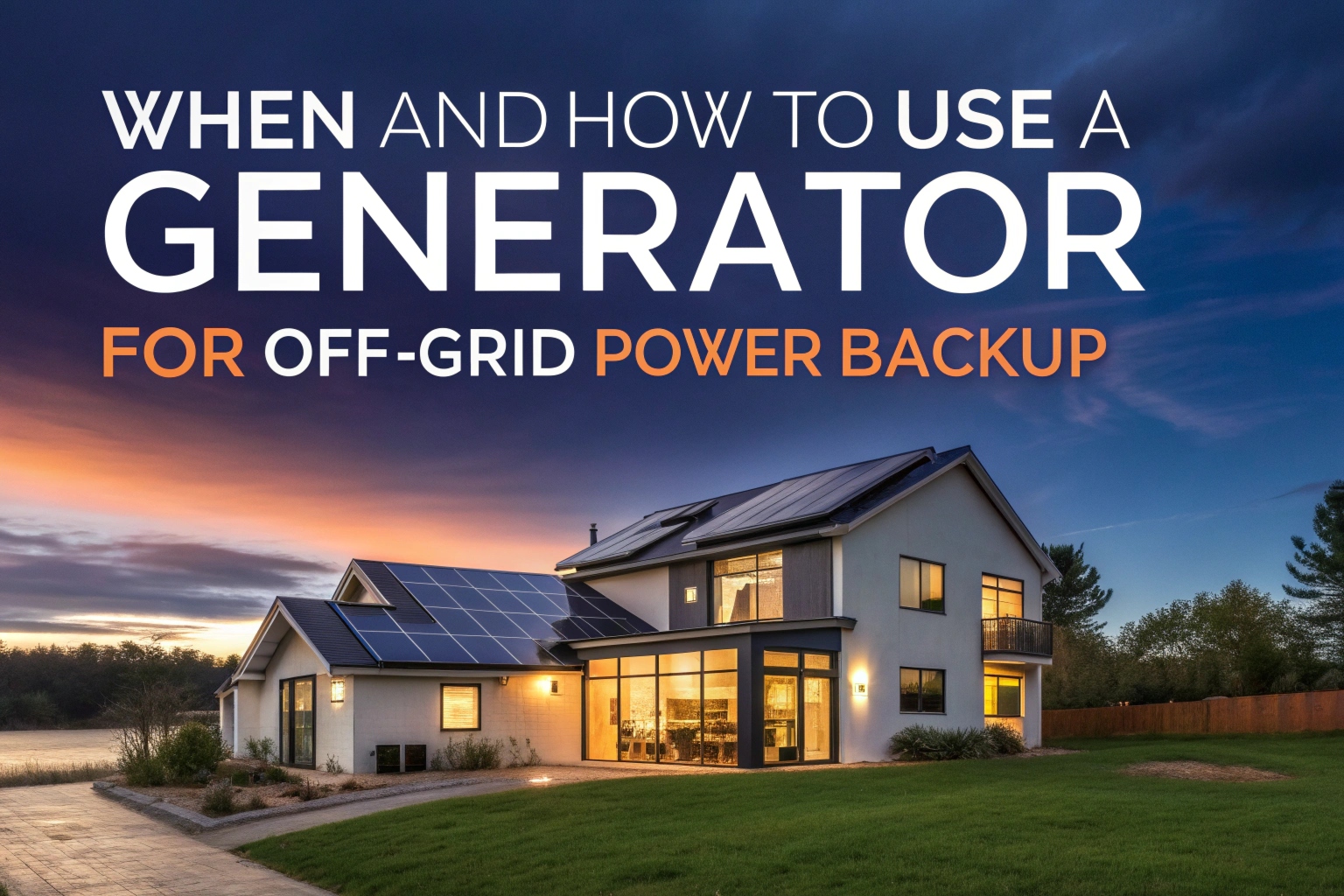
Are you wondering when a generator makes sense for off‑grid power backup and how to use one safely and efficiently?
When And How To Use A Generator For Off‑Grid Power Backup
You can rely on a generator for off‑grid power backup in a variety of situations, but knowing when it’s the right choice and how to use it properly will save you time, money, and frustration. This guide walks you through the decision process, setup, operating procedures, maintenance, safety, and alternatives so you can make confident choices for your unique needs.
When a generator is the right choice
You should consider a generator when you need reliable, on‑demand power and other solutions (like solar + batteries) either aren’t practical, are too expensive up front, or can’t supply enough energy during prolonged outages. Generators are often the best option when you have high intermittent loads, need immediate full‑power capacity, or are in a location with limited sunlight or harsh weather.
You’ll find generators particularly useful for:
- Emergency home backup to run critical systems.
- Remote cabins, worksites, and RVs where grid connection is unavailable.
- Supplemental power to reduce battery bank sizes or to recharge batteries faster.
- High‑power equipment like well pumps, heaters, or heavy tools.
When a generator might not be the best option
If you want a near‑silent, low‑maintenance, and low‑emissions solution, a generator may not be ideal by itself. You might want to reconsider if you:
- Prioritize very low noise for residential settings.
- Want zero‑emissions operation.
- Have reliable and affordable renewable options that meet your power needs.
- Require instant seamless power transfer for sensitive electronics unless you use an automatic transfer switch and inverter solution.
Types of generators and how they differ
You should choose a generator type based on fuel availability, runtime needs, noise limits, and whether you need portability or fixed installation. Below is a quick comparison to help you decide.
| Generator Type | Fuel | Best for | Pros | Cons |
|---|---|---|---|---|
| Portable gasoline | Gasoline | Short‑term, mobile use | Inexpensive, easy to move | Short runtime, fuel shelf life, noisy |
| Inverter portable | Gasoline (often) | Sensitive electronics, camping | Cleaner power, quieter, efficient | Higher cost, moderate power |
| Dual‑fuel | Gasoline + propane | Flexibility in fuel supply | Fuel choice, longer storage life with propane | More complex, higher initial cost |
| Diesel standby | Diesel | Long runtimes, heavy loads | Efficient, durable, good for long term | Noisy, requires permanent install |
| Propane standby | Propane | Residential backup with long fuel shelf life | Cleaner than diesel, stored fuel | Lower energy density, may require larger tank |
| Natural gas standby | Municipal gas | Homes with gas service | Unlimited runtime (as long as gas flows) | Dependent on gas infrastructure |
Portable vs standby: which should you pick?
Portable units are useful when you need a low‑cost, flexible solution. Standby generators are best when you need automatic, long‑term backup without frequent manual management. If you want hands‑free switched backup and higher power for a whole house, you should lean toward a standby system.
Sizing your generator: how much power do you need?
Getting the right size is one of the most critical steps. If you undersize, you’ll overload and trip the generator. If you oversize, you’ll waste fuel and money.
Steps to calculate size
- List all appliances and systems you want to run during an outage.
- Record running watts (continuous) and starting watts (surge for motors).
- Add running watts for total continuous load.
- Add the largest motor starting watt as a surge, or account for multiple motors starting simultaneously.
- Choose a generator rated to handle the total running watts and surge needs.
Typical appliance wattages (running / starting)
| Appliance | Running Watts | Starting Watts |
|---|---|---|
| Refrigerator | 600–800 | 1200–2000 |
| Well pump (1 HP) | 1200–1500 | 2500–4000 |
| Electric water heater | 4000 | 4000 |
| Central A/C (3–5 ton) | 3000–5000 | 6000–15000 |
| Microwave | 800–1500 | 1500–2000 |
| Lighting (LEDs) | 50–200 | 50–200 |
| Sump pump | 750–1500 | 1500–3000 |
Aim to select a generator with a continuous (rated) output comfortably above your calculated running watts and with sufficient starting/surge capacity. It’s smart to leave a 20–25% margin for additional small loads and to avoid maxing out the generator.
Fuel choices and considerations
Choosing the right fuel affects runtime, storage, availability, and maintenance.
Gasoline
- Readily available and inexpensive up front.
- Short shelf life (add stabilizer) and can gum up carburetors if stored long.
- Best for portable units and short‑term use.
Propane
- Long shelf life and cleaner combustion than gasoline/diesel.
- Lower energy density means shorter runtime per tank size.
- Good for standby systems with a fixed tank.
Diesel
- High energy density and efficient for long runtimes.
- More durable for continuous heavy loads but requires proper storage and fuel treatment in cold weather.
- Common for larger standby and industrial generators.
Natural gas
- Continuous supply if you have a reliable municipal connection.
- Cleaner and convenient, but not available in many remote locations.
- Output can be lower per unit of fuel; check manufacturer specs.
Battery hybrid and gasoline/electric combos
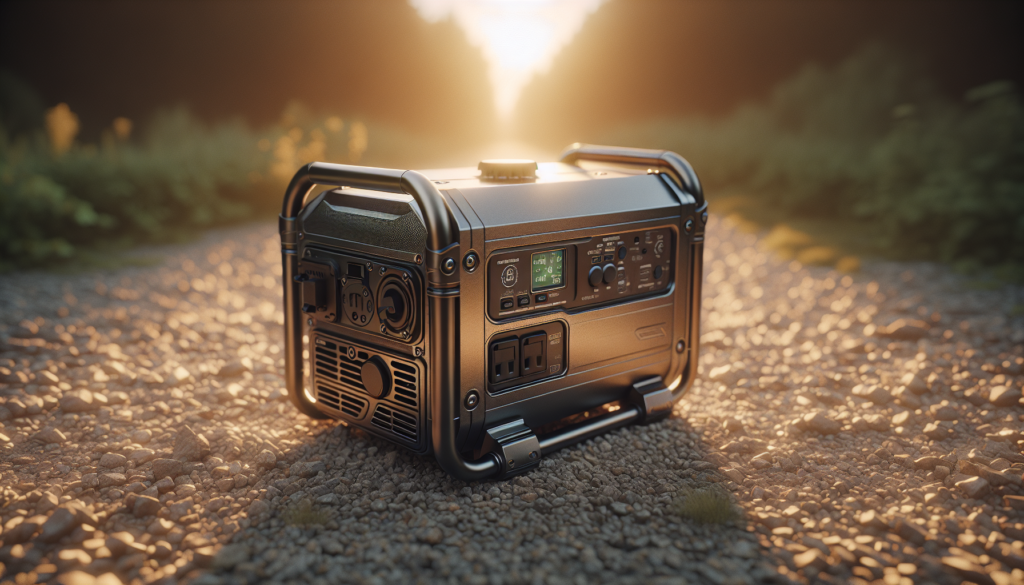
- Some systems combine batteries and generators for quieter, more efficient operation.
- Generator runs intermittently to recharge batteries; this reduces noise and fuel consumption.
Integration with renewable systems and batteries
You can pair a generator with a solar + battery system so the generator serves as a backup or charging source, reducing fuel use and extending autonomy. Generators can charge batteries directly or connect via inverter/charger systems.
Common integration strategies
- Generator to inverter/charger input: Generator runs and feeds an inverter/charger that charges the battery bank and supplies AC loads.
- Generator for high‑power loads only: Batteries cover daily low loads and the generator starts only for high‑power appliances.
- Automatic start for low battery: Use an automatic controller that starts the generator when battery state of charge drops below a set threshold.
This hybrid approach helps you run quiet, emission‑free when possible, and still have enough power for extended cloudy periods or high‑demand situations.
Transfer switches: manual vs automatic
A transfer switch isolates the generator from the utility grid and safely switches loads.
Manual transfer switch
- You start the generator and switch loads by hand.
- Lower cost and simpler, but requires someone to be present to operate the system.
Automatic transfer switch (ATS)
- Detects grid loss and starts the generator automatically.
- Switches loads within seconds and is best when you need unattended backup (for example, if you’re away).
Use an ATS if you want seamless backup for critical systems like refrigerators, medical equipment, or sump pumps. Manual transfer switches are suitable for occasional outages or when you prefer to control which circuits run.
Installation basics and electrical connections
Proper installation keeps you safe and legal. You should follow local building codes and often need a licensed electrician for standby installations.
Key points for installation
- Ensure correct grounding and bonding per local codes.
- Install an appropriate transfer switch to avoid backfeeding the grid.
- Use correctly rated cable, connectors, and breakers.
- Maintain proper clearances per manufacturer recommendations.
- Locate generators on stable, non‑combustible surfaces and away from living areas to minimize carbon monoxide risk.
Improper connection can injure utility workers and damage equipment. When in doubt, hire a professional.
Safety: carbon monoxide, fire, and electrical hazards
Generator safety is non‑negotiable. You should take clear steps to keep people and property safe.
Carbon monoxide (CO)
- Never operate a generator in an enclosed space or inside a garage.
- Keep the exhaust pointing away from living spaces, windows, and doors.
- Install CO detectors in your living area and test them regularly.
Fire and fuel safety
- Store fuel in approved containers, away from living areas.
- Turn off the generator and let it cool before refueling.
- Keep flammable materials clear of the generator area.
Electrical safety
- Use a transfer switch to avoid backfeed that can electrocute utility workers.
- Don’t plug a generator into a wall outlet (“suicide cord”).
- Use properly rated extension cords and GFCI protection where required.
Startup and shutdown procedures
Following correct procedures lengthens generator life and protects your equipment.
Startup checklist
- Inspect fuel, oil, coolant (if applicable), and battery.
- Ensure all loads are turned off or disconnected.
- Open the fuel supply and choke (if needed for cold starts).
- Start per manufacturer instructions; let the engine warm up for 2–5 minutes.
- Slowly bring loads online, starting with heavier motor loads last to reduce startup surge.
Shutdown checklist
- Turn off connected loads one by one, starting with the largest.
- Let the generator run unloaded for a few minutes to stabilize temperatures.
- Follow manufacturer cooldown procedures, then shut down.
- Close the fuel supply for portable units or follow standby system controls.
Maintenance schedule and tasks
You’ll extend the lifespan of your generator and prevent surprises by following a maintenance regimen.
Routine checks (monthly to quarterly)
- Run the generator under load for at least 30 minutes.
- Inspect for leaks, loose connections, and corrosion.
- Check oil and coolant levels.
Periodic maintenance (every 50–200 hours or as recommended)
- Change oil and oil filter.
- Replace air and fuel filters.
- Inspect/replace spark plugs (gasoline units).
- Inspect belts and hoses (liquid‑cooled units).
- Test battery and charging system.
Annual service
- Full inspection by a qualified technician.
- Fuel system cleaning and treatment.
- Exhaust and emissions checks.
- Valve and injector service for diesel units as needed.
Keep a maintenance log. You’ll more easily track hours, services performed, and any recurring issues.
Noise, placement, and neighbor considerations
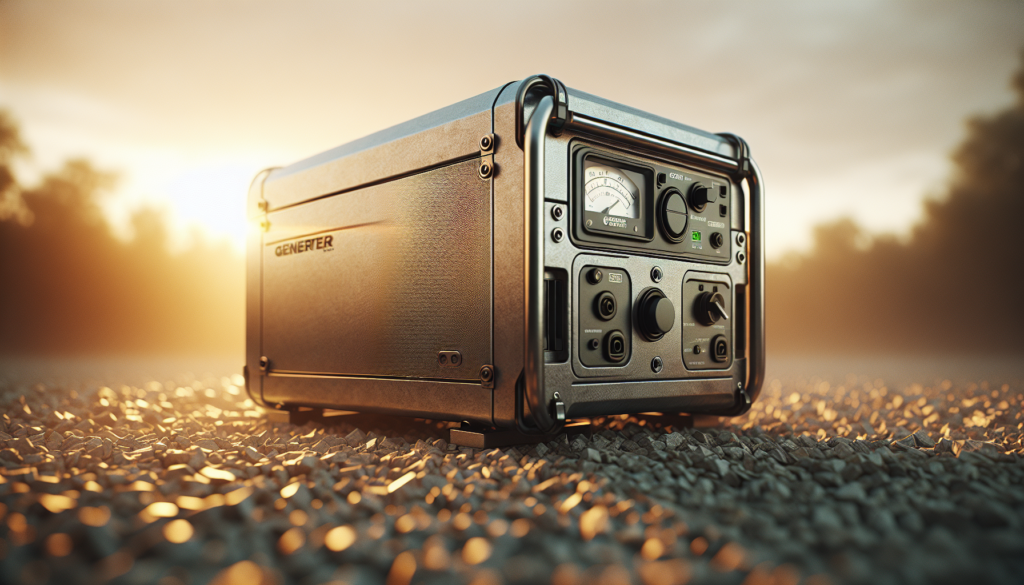
Generators can be noisy. You should consider location, enclosure, and allowable decibel limits.
Noise mitigation strategies
- Choose an inverter or sound‑attenuated model for residential areas.
- Build or place in a sound‑damping enclosure that doesn’t block airflow.
- Use vibration isolation pads and proper mounts.
- Position the exhaust away from neighbors and windows.
Check local noise ordinances to avoid fines or disputes.
Environmental impact and emissions
Generators produce emissions and noise. You should balance backup needs with environmental concerns.
Ways to minimize environmental footprint
- Use cleaner fuels like natural gas or propane when available.
- Use efficient inverter or hybrid systems paired with renewables.
- Maintain the generator well for optimal combustion and lower emissions.
- Consider catalytic mufflers or emissions control kits for older units.
In many jurisdictions, there are regulations on emissions for stationary generators; ensure compliance.
Costs and budgeting
You should evaluate both upfront costs and ongoing operating costs.
Cost components
- Equipment cost (generator, transfer switch, enclosure).
- Installation and permitting costs.
- Fuel purchase and storage costs.
- Routine and corrective maintenance.
- Insurance, if needed for large standby systems.
Sample budget ranges (approximate)
| System Type | Equipment Cost | Installation | Annual Fuel & Maintenance |
|---|---|---|---|
| Portable inverter 2–4 kW | $500–$2,000 | Minimal | $50–$300 |
| Standby 7–20 kW (home) | $3,000–$10,000 | $2,000–$6,000 | $500–$2,000 |
| Diesel industrial 25+kW | $10,000+ | $5,000+ | $1,000+ |
Costs vary widely based on brand, capacity, and local labor rates. Factor in long‑term fuel and maintenance when calculating total cost of ownership.
Permits and local regulations
You should check local building codes and utility requirements before beginning installation. Many areas require permits and inspections for permanent standby generator installations, especially when you tie into building wiring or install a fuel tank.
Typical requirements
- Electrical permit for transfer switch and wiring.
- Mechanical or building permit for generator placement and concrete pads.
- Fuel tank permits for large propane or diesel storage.
- Noise and emissions compliance in some jurisdictions.
Contact local authorities or hire a licensed contractor to handle permitting to avoid fines and ensure safe installation.
Troubleshooting common problems
You’ll encounter issues occasionally; understanding common problems helps you solve them quickly.
Won’t start
- Check fuel level and fuel shutoff.
- Inspect battery and starter connections.
- Confirm choke and primer settings (on gasoline units).
- Look for clogged fuel lines or dirty carburetor.
Runs rough or surges
- Dirty air filter or fuel filter.
- Incorrect fuel mixture.
- Ignition or injector problems.
Low voltage or frequency instability
- Overloaded generator.
- Faulty AVR (automatic voltage regulator).
- Poor grounding or loose connections.
Keep the manual and a basic toolbox handy. For complex issues, contact a qualified service technician.
Storage and winterization
If you use a generator seasonally, you should prepare it for storage to avoid damage.
Winterization steps
- Drain fuel or add a fuel stabilizer and run the engine to circulate treated fuel.
- Change the oil before storage to remove contaminants.
- Disconnect the battery or use a trickle charger to maintain charge.
- Store in a dry, sheltered area off concrete if possible.
For standby systems in cold climates, consider block heaters, battery warmers, or fuel system heaters to ensure reliable starting.
Practical scenarios and examples
You’ll make different decisions depending on how you plan to use the generator. Here are a few typical scenarios and recommended approaches.
Remote cabin with seasonal use
- Use a propane or dual‑fuel generator for long storage life.
- Combine with a small solar array and batteries to reduce runtime.
- Portable inverter models work well for low noise and sensitive electronics.
Full‑house backup in a suburban home
- Install a standby natural gas or propane generator with ATS.
- Size for HVAC or plan to use generator for essential circuits only.
- Place unit on an approved pad with adequate clearances and noise mitigation.
Off‑grid homestead with high loads
- Use a diesel generator for efficiency and heavy loads.
- Integrate tightly with battery bank and inverter/charger.
- Use generator for periodic battery recharging and heavy appliance runs.
Alternatives and complementary solutions
Generators are one piece of a larger energy strategy. You should consider combining technologies for optimal performance.
- Solar plus batteries: reduces fuel use and noise, but needs adequate battery capacity.
- Wind turbines: useful in windy sites but variable and site dependent.
- Micro‑hydro: excellent where running water is available, but highly site specific.
- Fuel cells: emerging technology, efficient but expensive today.
- Energy conservation: reduce load during outages with efficient appliances and load prioritization.
Combinations of these solutions often provide the best balance of reliability, cost, and sustainability.
Checklist: before you buy and after installation
This quick checklist helps you cover essentials.
Before you buy
- Identify essential loads and calculate wattage.
- Determine fuel availability and storage options.
- Decide between portable vs standby and manual vs automatic switching.
- Check local permits and codes.
- Get quotes for equipment and installation.
After installation
- Test the ATS and generator under load.
- Set up a maintenance schedule and log.
- Install CO and smoke detectors.
- Train household members on startup, shutdown, and emergency procedures.
Frequently asked questions (short answers)
You’ll often have common concerns; here are concise answers.
- How long can a generator run continuously? Depends on fuel supply and design; some standby units are built for continuous operation, while portable units aren’t intended for 24/7 use.
- Can a generator power my whole house? Yes if appropriately sized; often homeowners choose to power critical circuits to reduce generator size.
- Do I need an electrician? For transfer switch installation and permanent wiring, you should use a licensed electrician.
- Is it legal to run a generator during a storm? Generally yes, but follow local noise and emissions rules, and never run indoors.
Final recommendations
You should choose a generator solution that matches your power needs, fuel access, budget, and tolerance for maintenance and noise. Prioritize safety with proper placement, transfer switches, and CO detection. Consider hybrid approaches that combine generators with renewables and batteries to reduce fuel consumption and increase reliability. Finally, plan for regular testing and maintenance to ensure the system works when you need it most.
If you want, I can help you size a generator for your specific load list, compare models in your price range, or draft a checklist for installation and permitting in your area. Which of those would you like to do next?