Have you ever imagined what it would feel like to live comfortably off the grid in a tiny home that you planned and built yourself?
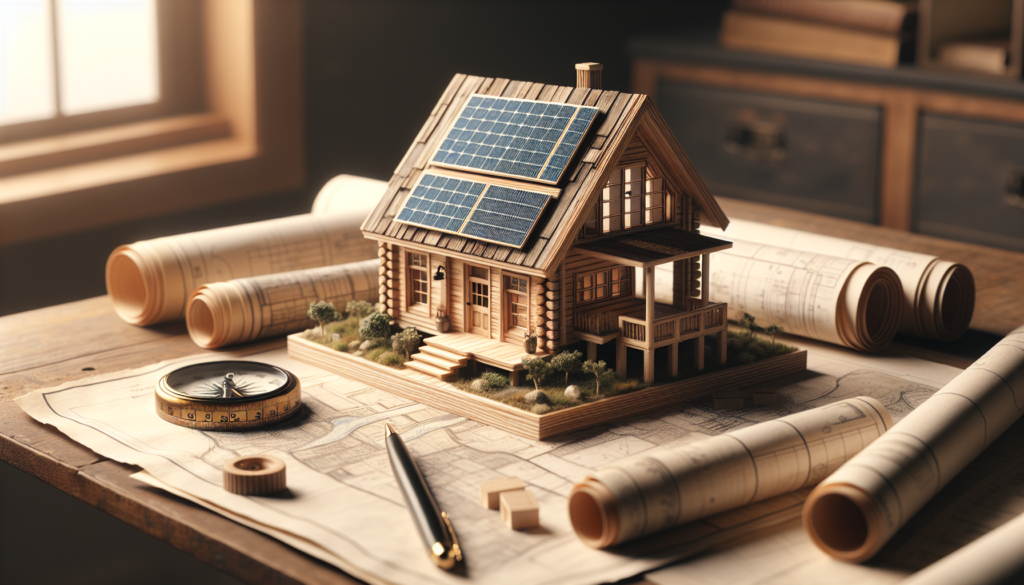
Building An Off-Grid Tiny Home: Step-by-Step Planning Guide
This guide walks you through planning an off-grid tiny home from initial concept to move-in readiness. You’ll get practical steps, checklists, and decision-making frameworks to help you design a sustainable, legal, and comfortable tiny dwelling that meets your needs and lifestyle.
Why choose an off-grid tiny home?
Choosing an off-grid tiny home gives you independence, lower living costs, and a smaller environmental footprint. You’ll trade some conveniences for mobility, creativity, and a simpler life that can be tailored to your priorities.
Benefits you’ll notice
You’ll likely see lower utility bills, reduced maintenance, and a smaller carbon footprint. You’ll also gain flexibility in location and design, letting you prioritize what matters most in your daily life.
Initial considerations before planning
Before you buy land or draw plans, you should clarify your lifestyle needs, budget, and long-term goals. These early decisions shape system sizing, material choices, and legal requirements.
Define your living needs
Decide how many people will live in the home, how often you’ll be there, and what amenities you need. Consider sleeping arrangements, workspace, cooking needs, and storage.
Set a realistic budget
Establish both a build budget and a contingency reserve (usually 10–20%). Include land costs, materials, utilities, permits, labor, and ongoing maintenance expenses. Your budget will influence whether you can afford higher-efficiency systems or need phased upgrades.
Decide on mobility
Determine if you want a permanent foundation or a towable tiny home on wheels. Mobility affects foundation requirements, zoning issues, structural design, and utility connections.
Zoning, permits, and legal requirements
Understanding local laws early prevents costly delays. Zoning and building codes vary widely by jurisdiction, and off-grid systems often face additional scrutiny.
Research local zoning and building codes
Contact local planning and building departments to learn about minimum dwelling size, setbacks, septic regulations, and whether tiny homes are allowed. You’ll also want to know if your property must be classified as agricultural, recreational, or residential.
Permits and inspections
Factor permit fees and inspection timelines into your schedule. Typical permits include building, electrical, plumbing, and septic. You may need special approvals for alternative systems like composting toilets or off-grid power.
Site selection and preparation
The site determines sun exposure, wind, water access, and cost of bringing services. Choosing wisely makes systems more efficient and construction easier.
Evaluate solar potential and wind exposure
Look for unobstructed sunlight for solar PV panels and consider prevailing winds for ventilation and passive cooling. A simple solar access assessment helps you estimate power generation potential.
Water access and drainage
Check availability of groundwater, municipal connections, or water hauling options. Evaluate natural drainage, flood risk, and soil percolation for septic or alternative systems.
Accessibility and road access
Consider how you’ll transport materials and whether emergency services can reach your site. If you plan a towable tiny home, ensure road access and legal routes for movement.
Design principles for tiny living
Good design maximizes usable space, natural light, and multi-functionality. Prioritize flexible furniture and efficient layouts.
Compact layout strategies
Use open-plan living, lofted sleeping areas, and built-in storage. Each square foot should serve multiple functions when possible, such as a bench that contains storage or a table that folds away.
Orientation and passive design
Orient your home to maximize solar gain in winter and provide shading in summer. Use natural ventilation, thermal mass, and appropriate window placement to reduce energy needs.
Accessibility and ergonomics
Plan for comfortable circulation and consider long-term mobility needs. Even in a tiny space, clear access routes and ergonomic heights for counters and fixtures improve daily life.
Foundation and structural systems
Your foundation choice depends on whether the home is mobile, local frost depth, and site conditions. Each option has cost and longevity trade-offs.
Common foundation options
- Concrete slab: durable and good for permanent builds, but costly and less mobile.
- Pier or post: economical for uneven terrain and minimizes site disturbance.
- Trailer chassis: required for road-legal tiny homes on wheels, with different engineering constraints.
Structural framing choices
Choose between timber framing, SIPs (structural insulated panels), or metal framing. SIPs offer fast assembly and excellent insulation, while timber is traditional and flexible.
Insulation, thermal performance, and moisture control
Well-designed thermal envelopes reduce heating and cooling loads, which is essential for off-grid efficiency.
Insulation types and recommended R-values
Common insulation types include spray foam, rigid foam, mineral wool, and cellulose. Target higher R-values for walls, roof, and floor based on your climate. Good air sealing combined with ventilation is crucial to prevent moisture issues.
Vapor barriers and ventilation
Use appropriate vapor retarders and balanced ventilation (e.g., HRV/ERV) to maintain indoor air quality while managing humidity. In very tight envelopes, mechanical ventilation is essential.
Power systems: sizing and components
Power design is a core part of off-grid planning. You’ll decide between solar, wind, micro-hydro, or hybrid systems according to site conditions.
Estimate your energy needs
Create a detailed appliance list and estimate daily kWh usage. Include lighting, refrigeration, cooking, heating, electronics, and future additions. This estimate determines battery bank size and PV array capacity.
Components of a typical solar-battery system
A typical off-grid electrical system includes:
- PV panels
- Charge controller (MPPT recommended)
- Battery bank (lead-acid, AGM, or lithium)
- Inverter (pure sine wave preferred)
- Monitoring system and breakers
Table: Basic solar system sizing example
| Load/Appliance | Power (W) | Daily Hours | Daily kWh |
|---|---|---|---|
| LED lighting (6 fixtures) | 60 | 5 | 0.30 |
| Mini fridge | 150 | 8 (duty) | 1.20 |
| Laptop/charger | 60 | 4 | 0.24 |
| Water pump (12V) | 100 | 0.5 | 0.05 |
| Propane or induction stove | varies | – | 0.00*** |
| Total estimated daily kWh | ~2.0 |
***Stoves often use propane or direct gas; if electric, include expected load.
Battery choices and maintenance
Lithium batteries offer greater cycle life, depth of discharge, and energy density but are more expensive upfront. Lead-acid types remain cost-effective but need more maintenance and larger banks for equivalent usable storage.
Water supply and management
Water is essential and often the most limiting factor for off-grid living. Choose systems aligned with your site and risk tolerance.
Water sources
Options include drilled wells, springs, rainwater catchment, hauled water, or surface water with treatment. Each source has different reliability, cost, and treatment needs.
Rainwater catchment basics
Rainwater harvesting can be a primary source in many climates. You’ll need gutters, first-flush diverters, storage tanks, filtration, and disinfection (UV or chlorine) for potable use.
Water storage and pressure
Use gravity-fed systems or pressure tanks with a pump. Consider redundancy and winterization if you’re in a freezing climate.
Sewage, graywater, and sanitation
Wastewater systems must meet local codes but there are multiple off-grid approaches.
Septic systems and alternatives
Conventional septic systems work well for many sites if soils percolate adequately. Alternative options include composting toilets, aerobic treatment units, and constructed wetlands for graywater treatment.
Composting toilets and best practices
Composting toilets reduce water use and can produce usable compost if managed correctly. You’ll need solid ventilation, proper carbon additions, and space for compost curing.
Heating, cooling, and ventilation
Climate drives your heating and cooling strategy. Off-grid heating options prioritize efficiency and fuel availability.
Heating options
Efficient wood stoves, propane heaters, electric heat pumps (if you have sufficient power), and radiant systems are common. Wood stoves are reliable and meet off-grid realities in many rural settings.
Cooling strategies
Passive cooling, shading, reflective roofing, and cross-ventilation reduce AC needs. If you use a split AC or portable unit, plan for the power draw and battery/inverter capacity.
Ventilation and indoor air quality
Balanced ventilation systems (HRV/ERV) help control humidity and bring fresh air without losing heat. In very tiny spaces, ensure adequate carbon monoxide and smoke detectors.
Materials selection and sourcing
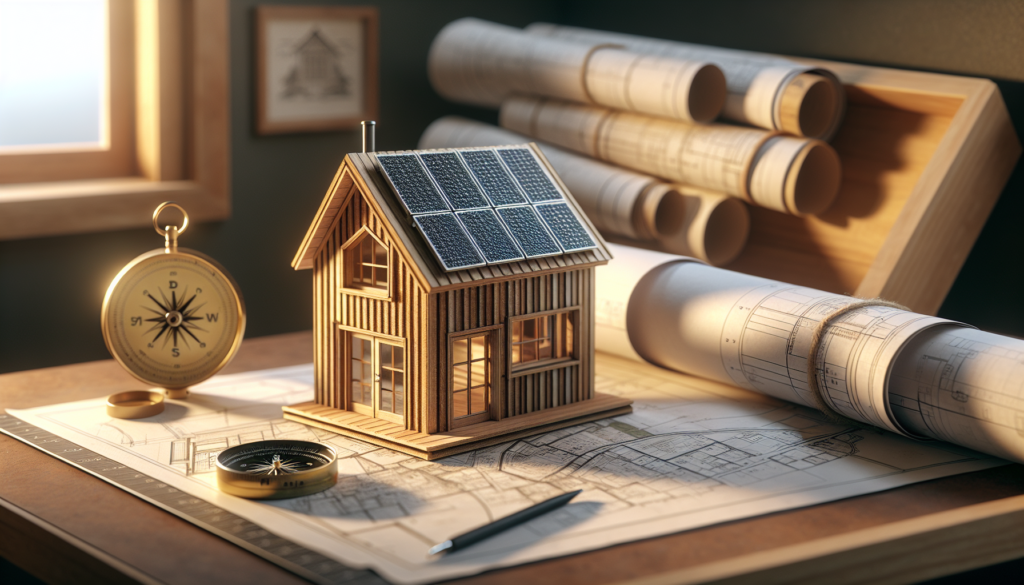
Your material choices affect durability, maintenance, cost, and embodied energy.
Local vs. shipped materials
Using locally sourced materials reduces transport cost and supports local economies, but some specialized materials (SIPs, high-efficiency windows) may need to be shipped.
Sustainable material options
Consider reclaimed wood, recycled metal, low-VOC finishes, and durable claddings to lower long-term environmental impact. Balance sustainability with longevity to avoid hidden replacement costs.
Table: Material pros and cons
| Material | Pros | Cons |
|---|---|---|
| Timber framing | Flexible, familiar, repairable | Susceptible to rot/pests |
| SIPs | High insulation, fast assembly | More expensive, less flexible |
| Metal roofing | Durable, fire-resistant | Higher upfront cost, noise |
| Reclaimed wood | Eco-friendly, character | Variable quality, prep work |
Construction phases and timeline
Break your project into phases so you can manage budget, logistics, and timelines.
Typical build phases
- Design and permitting
- Site prep and foundation
- Shell framing and roofing
- Windows, doors, and weatherproofing
- Systems installation (electrical, water, septic)
- Interior finishes and cabinetry
- Final inspections and commissioning
Each phase may take days to months depending on complexity, weather, and permitting.
Time management tips
Group tasks that require the same trades to reduce setup/teardown time. Order long-lead items early (windows, custom cabinetry, batteries).
DIY vs hiring professionals
Decide where your skills and time will make the biggest impact. Many owners do some work themselves and hire out specialized tasks.
Tasks commonly DIYed
Framing, insulation, painting, and some interior finishes are approachable for motivated DIYers. Electrical work, plumbing tied into water systems, and structural alterations often require licensed professionals.
When to hire a pro
Hire licensed electricians and plumbers for code-compliant work that will be inspected. Structural engineering may be needed for non-standard foundations or trailer conversions.
Cost breakdown and sample budgets
Costs vary widely by location, materials, and systems. Below is a sample budget to give you a rough idea, but you should customize numbers for your situation.
Table: Sample cost breakdown (approximate, USD)
| Item | Low-end | Mid-range | High-end |
|---|---|---|---|
| Land (per acre) | $1,000 | $10,000 | $100,000+ |
| Foundation/Trailer chassis | $1,500 | $6,000 | $15,000 |
| Shell & structure | $10,000 | $25,000 | $50,000 |
| Windows & doors | $1,500 | $4,000 | $10,000 |
| Electrical (solar system) | $3,000 | $10,000 | $25,000 |
| Water system & filtration | $1,000 | $5,000 | $15,000 |
| Septic/composting system | $500 | $4,000 | $12,000 |
| Interior finishes & cabinetry | $2,000 | $8,000 | $25,000 |
| Heating & ventilation | $1,000 | $4,000 | $10,000 |
| Permits & fees | $200 | $2,000 | $5,000 |
| Contingency (10–20%) | $2,000 | $10,000 | $30,000 |
| Total | ~$23,700 | ~$88,000 | ~$197,000 |
These figures are illustrative and depend heavily on region, labor costs, and material choices.
Safety, security, and emergency planning
Designing for safety protects you and your investment. Small spaces have unique safety needs.
Fire safety and carbon monoxide
Install smoke and CO detectors, maintain safe clearances around heaters, and store fuel securely. Plan multiple egress paths in case of emergency.
Security measures
Use strong door locks, secure windows, and consider lighting or a simple alarm system. Natural surveillance and landscape design can deter break-ins.
Emergency supplies and redundancy
Keep tools, spare parts for critical systems (pump parts, fuses), first-aid supplies, and an emergency water reserve. Redundancy in power and water systems increases resilience.
Maintenance and seasonal considerations
Regular maintenance keeps systems running efficiently. Schedule seasonal tasks to prevent surprises.
Routine maintenance tasks
Check seals, gutters, batteries, filters, and wood stove systems. Inspect roofs after storms and monitor battery state-of-charge regularly.
Winterization
If you face freezing temperatures, plan to insulate pipes, provide heat to water tanks, or drain systems seasonally. Consider heated enclosures or burying tanks below frost depth.
Living off-grid: daily routines and habits
Your daily routine will influence system size and behavior. Habits like conserving water, managing energy use, and efficient cooking extend system longevity.
Energy and water-saving habits
Use LED lighting, limit clothes dryer use, batch cooking on efficient burners, and take shorter showers. Run major appliances during peak solar production if possible.
Social and lifestyle adjustments
You may need to accept slower internet or fewer deliveries depending on location. Building a network of nearby friends or tradespeople helps with supplies and emergencies.
Decision checklist before you build
Use this checklist to confirm readiness and reduce surprises before breaking ground.
- Have you clarified your lifestyle and system needs?
- Is your budget and contingency fund established?
- Have you researched zoning and permit requirements?
- Is your chosen site suitable for solar, water, and waste systems?
- Are long-lead items ordered and scheduled?
- Do you have reliable trades or a realistic DIY plan?
- Have you planned for safety, redundancy, and winterization?
Resources and further learning
Seek local building departments, tiny house organizations, solar installers, and experienced builders. Books, forums, and in-person workshops offer practical tips and troubleshooting.
Useful resource types
- Local building code offices and permit guides
- Solar and battery installer consultations
- Tiny house communities and forums for experience-based advice
- Books on rainwater harvesting, composting toilets, and off-grid power
Final thoughts and next steps
Planning is the most important phase of building an off-grid tiny home. If you take time to define needs, follow local regulations, size systems accurately, and choose durable materials, you’ll avoid many common pitfalls. Start by making a prioritized checklist and an energy/water audit of your desired lifestyle, then move into site assessment and permitting.
If you’d like, you can provide details on your climate, intended location, and target budget, and I’ll help you size a solar system, recommend water strategies, or outline a step-by-step build schedule tailored to your situation.