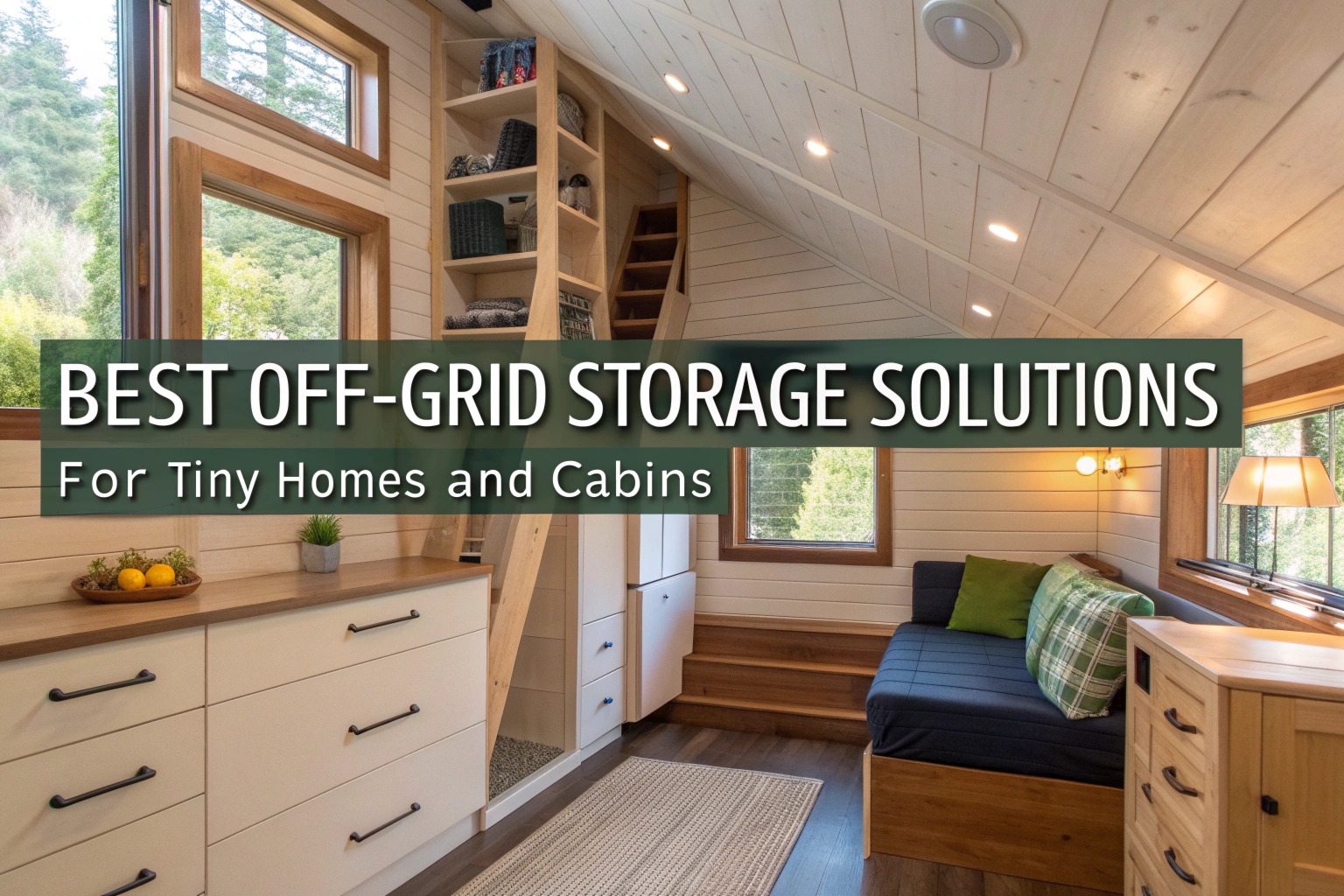
Are you trying to find the best off‑grid storage solutions for your tiny home or cabin so you can stay organized, safe, and self‑sufficient?
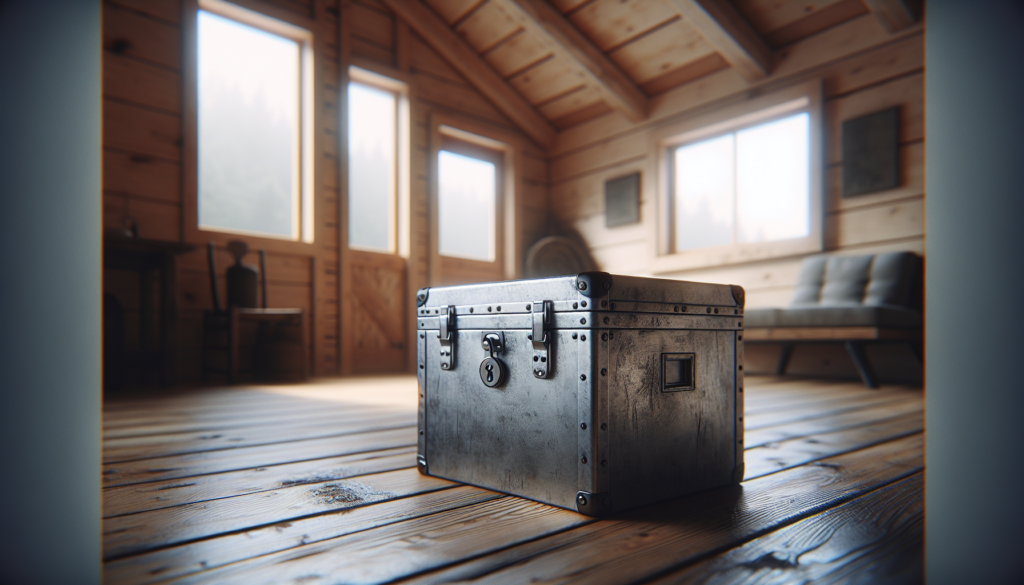
Best Off‑Grid Storage Solutions For Tiny Homes And Cabins
This guide gives you practical, actionable storage ideas tailored to tiny homes and cabins that live off the grid. You’ll find options for food, water, fuel, tools, and energy storage, along with design tips to help you maximize space and protect your possessions from weather, pests, and theft.
Why Off‑Grid Storage Matters
Off‑grid living changes the way you acquire, store, and manage supplies because resupply can be irregular and conditions can be harsher. Good storage strategies protect your resources, reduce waste, and make your tiny space feel larger and more functional.
Assessing Your Storage Needs
Before you invest in a storage system, you should measure what you have and how you use it so you can prioritize solutions that match your lifestyle. Assessing needs helps you avoid overbuilding or creating storage that you rarely use.
Storage Capacity: what to measure
Estimate the volume and weight of items you want to store, including seasonal surplus and emergency reserves. Record dimensions and group items by frequency of access to plan for easy retrieval.
Weight and Load Limits
Your tiny home or cabin will have structural limits for flooring and walls, especially if it’s on wheels or raised on piers. You need to map heavier items to load‑bearing points and avoid concentrating weight in unsupported areas.
Climate and Environmental Factors
Temperature swings, humidity, UV exposure, and pests will influence the materials and placement of your storage. Choose solutions that mitigate these risks and keep items within their required environmental ranges.
Accessibility and Frequency of Use
Keep daily‑use items within arm’s reach and reserve deeper or locked storage for long‑term goods. Plan circulation paths so you don’t have to move many things to reach essentials.
Security and Pest Control
Off‑grid locations can be more remote and sometimes more vulnerable to wildlife or intrusion. Think about locking mechanisms, anchoring, and rodent‑proofing as part of your storage strategy.
Types of Off‑Grid Storage Solutions
There are many storage approaches you can combine to fit space and budget constraints. Each type has its own strengths, so pick a mix that suits your top priorities—whether that’s durability, portability, cost, or capacity.
Indoor Built‑In Storage
Built‑in storage leverages every square inch inside a tiny home by incorporating cupboards, under‑bed drawers, bench seating with storage, and loft nooks. You’ll get the best long‑term value and tidy appearance from built‑ins, but they require upfront planning and construction.
Pros: space-efficient, customized; Cons: less flexible, higher initial work.
Outdoor Weatherproof Cabinets and Lockers
Weatherproof cabinets give you secure outdoor storage for tools, firewood, and supplies that don’t need to be inside. Place them on level, elevated pads or anchored to prevent water intrusion and pests.
Pros: frees indoor space; Cons: exposure to elements, potential security concerns.
Shipping Containers and Converted Trailers
A shipping container or repurposed horse trailer provides large, secure storage that’s relatively low maintenance and stackable. You can convert them into workshops, insulated pantries, or battery rooms, but you’ll need site preparation and possibly permits.
Pros: very secure, weatherproof; Cons: cost, transport and placement logistics.
Underground Storage (root cellars, cisterns)
Underground storage uses the earth’s stable temperature to preserve food, wine, and certain materials. You can also place cisterns partially buried to stabilize water temperature and pressure.
Pros: excellent temperature stability; Cons: moisture control, excavation work required.
Elevated and Wall‑Mounted Storage
Wall shelves, pegboards, and hanging racks use vertical space to help keep floors clear. Elevated platforms for wood and fuel reduce moisture problems and keep pests away.
Pros: efficient use of vertical space; Cons: must monitor load limits.
Portable Storage Options (crates, totes)
Stackable, labeled crates and totes make it easy to move goods when resupply or seasonal reorganization is needed. Use food‑grade, UV‑resistant containers for long‑term outdoor storage.
Pros: flexible and mobile; Cons: lower security and weather resistance unless rated.
Water Storage Systems (tanks, barrels)
Storing water is a cornerstone of off‑grid life; options include plastic barrels, food‑grade tanks, bladders, and underground cisterns. Think about capacity, material, placement, filtration, and redundancy.
Pros: essential resource security; Cons: heavy and requires planning for filling and maintenance.
Fuel and Propane Storage
Fuel storage requires fire‑safe containers, proper ventilation, and distance from living areas. Propane cylinders should be stored upright and outdoors unless in a certified indoor room with appropriate ventilation.
Pros: fuels allow heating and cooking autonomy; Cons: safety and regulatory considerations.
Battery Energy Storage (batteries, enclosures)
Battery banks for solar and wind systems need ventilated, secure enclosures and safe wiring practices. The choice affects weight, maintenance, cost, and safety requirements.
Pros: enables energy independence; Cons: specialized maintenance and safety practices.
Quick Comparison Table: Common Storage Types
This table helps you compare tradeoffs at a glance so you can match solutions to needs.
| Storage Type | Best For | Durability | Cost Range | Mobility |
|---|---|---|---|---|
| Built‑in indoor | Daily items, clothing, tools | High | Medium–High | Low |
| Outdoor cabinets | Tools, firewood, bulky gear | Medium | Low–Medium | Medium |
| Shipping container | Large inventory, workshop | Very High | High | Low |
| Underground cellar | Root vegetables, preserves | High | Medium–High | Low |
| Portable totes/crates | Temporary storage, seasonal goods | Medium | Low | High |
| Water tanks/cisterns | Potable and non‑potable water | High | Medium–High | Low |
| Battery enclosures | Solar batteries, inverter systems | High | Medium–High | Low |
Materials and Construction Considerations
The materials and fasteners you choose affect longevity and maintenance. Materials must withstand moisture, UV, pests, and the expected loads.
Corrosion resistance, UV, insulation, fire resistance
Use stainless or galvanized fasteners and corrosion‑resistant materials in coastal or high‑moisture regions. UV‑resistant plastics and paints extend life on exposed surfaces, while fire‑resistant treatments add protection for fuel and battery areas.
Fasteners, sealants, finishes
Choose compatible fasteners to avoid galvanic corrosion, and use high‑quality sealants or gaskets for weatherproof cabinets. Paints and finishes should be non‑toxic when used in interior food storage areas.
Designing for Space Efficiency
In tiny homes and cabins, intelligent design trumps sheer capacity. You can create the feeling of more space by using vertical volume, multiuse elements, and modular systems.
Vertical storage strategies
Install tall cabinets, ceiling racks, and wall hooks to free floor area. Vertical storage is especially useful for items like ladders, drying racks, and long tools.
Modular systems and stackability
Stackable crates, modular shelving, and shelving systems that bolt to studs let you adapt storage as needs change. You’ll appreciate modularity when you need to repurpose space or move.
Multi-purpose furniture
Use furniture that doubles as storage: benches with deep boxes, beds with drawers, tables with shelves. Multi‑purpose pieces reduce clutter and maximize usable square footage.
Storage Guidelines: Items and Best Practices
Keep different types of items in storage systems matched to their needs: hygiene and safety for chemicals, cool and dark for food, dry and ventilated for electronics and batteries.
Clothing and textiles
Store off‑season clothes in breathable containers with cedar blocks or desiccants to control moisture and deter moths. Avoid tightly sealed plastic bags for long‑term textile storage unless humidity control is in place.
Tools and equipment
Group tools by function and frequency of use. Keep small parts organized in labeled bins and mount commonly used tools where they’re reachable.
Wood and firewood
Stack firewood off the ground on a raised rack under a roofed lean‑to to reduce rot and pest issues. Season wood properly to reduce smoke and improve efficiency.
Food Storage Off‑Grid
storing food off‑grid requires a combination of temperature control, pest protection, and redundancy. You’ll want multiple methods for different food types so you’re not depending on a single system.
Long‑term pantry strategies
Use airtight, food‑grade containers for grains, legumes, and flour and rotate supplies regularly. Keep a labeled inventory and a first‑in, first‑out (FIFO) system to reduce waste.
Root cellars and cool storage
If your site allows, a root cellar is a low‑energy way to keep vegetables and canned goods cool. Ensure good drainage, ventilation, and shelving that keeps produce off the floor.
Dehydrating, canning, and freezing alternatives
Dehydrating and canning extend the life of produce without refrigeration. If you have freezer capacity via a solar system, keep a backup for quick‑spoiling items; otherwise plan for nonperishable options and preserved goods.
Table: Food Storage Methods at a Glance
| Method | Best For | Typical Lifespan | Power Needs | Pest Risk |
|---|---|---|---|---|
| Airtight jars & buckets | Grains, flour, legumes | 1–5 years | None | Low (with desiccants) |
| Root cellar | Vegetables, canned goods | Months–years | None | Medium (requires pest sealing) |
| Canning | Fruit, vegetables, meats | 1–5 years | Low (batch process) | Low |
| Dehydration | Fruit, herbs, jerky | Months–years | Low–Medium | Low |
| Freezing | Fresh meat, dairy | Months | High (power) | Low |
Pest Proofing Food Storage
Your storage strategy should include pest prevention through proper container selection, physical barriers, and sanitation. Keep food storage away from compost, garbage, and sleeping areas to minimize attraction.
Containers and barriers
Use metal or heavy‑duty plastic containers with gasketed lids. Seal entry points in cabinets and walls with metal flashing or fine mesh to keep rodents and insects from entering.
Sanitation and monitoring
Regularly inspect food stocks for signs of infestation and maintain cleanliness in storage areas. Use monitoring traps and natural deterrents like diatomaceous earth in nonfood‑contact zones.
Water Storage and Management
You’ll depend on reliable water storage off‑grid, and the choices you make affect access, quality, and long‑term resilience. Plan for filtration, disinfection, and an emergency supply.
Sizing tanks and calculating demand
Estimate daily water use per person (drinking, cooking, sanitation) and size storage with at least a few days of reserve. For a conservative approach, plan for 5–10 gallons per person per day depending on conservation measures.
Tank placement and supports
Elevate tanks to create gravity feed and place them on level, compacted foundations or reinforced stands. Underground cisterns need proper liners and backfill to prevent shifting.
Table: Tank Materials Comparison
| Material | Pros | Cons | Typical Uses |
|---|---|---|---|
| High‑density polyethylene (HDPE) | Lightweight, affordable, food‑grade options | UV can degrade without protection | Aboveground tanks, barrels |
| Fiberglass | Durable, UV resistant | More expensive, brittle if impacted | Large tanks, buried cisterns |
| Concrete | Long life, stable temp | Heavy, potential leaching if unsealed | Large cisterns, long‑term storage |
| Steel (lined) | Strong, durable | Corrosion risk unless lined | Elevated tanks, pressurized systems |
Filtration and treatment
Use mechanical filtration for particulates and chemical or UV treatment for pathogens. Keep spare filters and disinfectant supplies as part of your emergency planning.
Fuel and Hazardous Material Storage
Storing fuel and hazardous materials safely reduces fire risk and environmental hazards. You’ll need compliant containers, proper separation from living zones, and clear labeling.
Gasoline and diesel
Store fuel in approved containers in a ventilated, fire‑rated area away from spark sources. Follow local codes for maximum quantities and secondary containment.
Propane
Store propane cylinders outdoors on level ground and secure them upright. If you plan an indoor propane room, consult regulations and use certified equipment and ventilation.
Chemicals and solvents
Keep chemicals in labeled, sealed containers and store incompatible materials separately. Maintain a material safety data sheet (MSDS) binder for quick reference.
Battery and Energy Storage Safety
It also require special attention to ventilation, temperature, and electrical protection, particularly for lithium and lead‑acid systems.
Battery types and considerations
Choose battery chemistry based on your space, weight tolerance, budget, and performance needs. Each chemistry has tradeoffs in lifespan, depth of discharge, weight, and charge/discharge characteristics.
Table: Battery Types Snapshot
| Battery Type | Pros | Cons | Best Use |
|---|---|---|---|
| Flooded lead‑acid | Lower cost, robust | Heavy, needs maintenance, venting | Budget off‑grid systems with space |
| AGM/Gel (sealed lead‑acid) | Less maintenance, safer indoors | Higher cost, heavier | Small systems, limited ventilation |
| Lithium‑ion (LiFePO4) | High energy density, long life, low maintenance | Higher initial cost, requires BMS | Tiny homes with weight constraints and high use |
Enclosures, ventilation, and fire safety
Provide a ventilated battery room for flooded lead‑acid batteries and install a battery management system (BMS) for lithium banks. Keep extinguishers nearby and consider a thermal cutoff or fire suppression for large banks.
Security, Pest Control, and Maintenance
Regular maintenance extends the life of storage systems and prevents costly failures. You should have a schedule for inspections and simple fixes.
Locks and anchoring
Anchor heavy storage units and use quality locks on outdoor cabinets and containers to deter theft and scavenging wildlife. Consider motion lights and cameras for remote properties.
Rodent and insect control
Seal gaps, use metal flashing around vulnerable junctions, and install door sweeps. Keep wood and compost away from the building envelope to lower pest pressure.
Routine checks
Create a checklist for seasonal maintenance: check seals, rotate food, test batteries, clean gutters, and inspect tank integrity. Regular checks keep surprises from becoming emergencies.
Cost Considerations and Budgeting
You can achieve effective storage on modest budgets by prioritizing essentials and balancing DIY projects with purchased solutions. Think about lifecycle cost—cheaper options often cost more in maintenance or replacement.
Prioritization tips
Start with critical needs: water storage, food storage, and battery/energy security. Add flexible systems like modular shelving or crates that offer immediate benefits and scale over time.
DIY vs prefab
DIY systems can be cheaper and customizable but require your time and skill. Prefabricated, certified solutions cost more upfront but often deliver better safety and warranty coverage.
Installation Tips and Best Practices
Proper installation reduces long‑term headaches and improves performance. Take the time to prepare foundations, anchor points, and access routes before you move heavy items into place.
Anchoring and leveling
Place heavy tanks, containers, and cabinets on level, compacted bases. Use concrete pads or pressure‑treated skid frames for heavier storage to prevent settling and tilting.
Drainage and moisture control
Direct runoff away from storage zones, install gutters, and use gravel pads under exterior cabinets to keep interiors dry. Consider elevating electrical equipment and batteries above potential flood lines.
Insulation and temperature control
Insulate tanks and battery enclosures where freeze or extreme heat is a risk. Using passive solar and ventilated shade can stabilize temperatures without electricity.
Example Configurations and Use Cases
Seeing practical examples helps you visualize how different systems work together in real spaces. Here are three common configurations tailored to typical tiny home and cabin situations.
Small cabin (150–300 sq ft) — solo occupant
You’ll benefit from a compact battery bank in a ventilated lower cabinet, a 250–500 gallon aboveground water tank elevated on a simple stand, and built‑in under‑bench storage for food and clothing. Add a weatherproof outdoor locker for tools and firewood.
Tiny home on wheels (THOW)
Prioritize weight and balance: use LiFePO4 batteries for energy density, place heavy tanks close to axle or load‑bearing points, and use stackable totes for groceries to allow mobility. Keep flammable fuels in approved external boxes that are removable for transport.
Off‑grid family cabin
Scale up with a shipping container workshop, a 1,000–5,000 gallon buried cistern for water, and separate battery and generator rooms. Design interior built‑ins for clothing and daily living items to maintain comfort while storing bulk food and emergency supplies outside.
Troubleshooting Common Problems
Problems like condensation in cabinets, rodent damage, or foul tastes in stored water are solvable with simple adjustments. You’ll reduce future issues by diagnosing root causes rather than applying band‑aid fixes.
Condensation and mold
Improve ventilation, use moisture absorbers, and add insulation or vapor barriers to cool walls. For persistent mold, remove affected materials, dry the space thoroughly, and sanitize before returning items.
Rodent breaches
Follow the mouse: find access points, install metal flashing or rodent mesh, and set traps while removing food attractants. Change how you store food—metal or heavy plastic sealed containers work best.
Bad water taste or odor
Check for source contamination, clean and sanitize tanks regularly, and replace filters. If taste persists, add UV treatment or a secondary filtration stage.
Final Thoughts and Next Steps
You can create an off‑grid storage system that supports comfort, safety, and independence by matching storage types to your needs and environment. Start with a needs assessment, prioritize water, food, and energy, and layer in solutions that fit your budget and skills.
Plan a phased approach: secure critical stores first, then add refinements like built‑ins, secondary tanks, or upgraded battery systems. With thoughtful design and routine maintenance, your tiny home or cabin will stay organized and resilient in any off‑grid scenario.