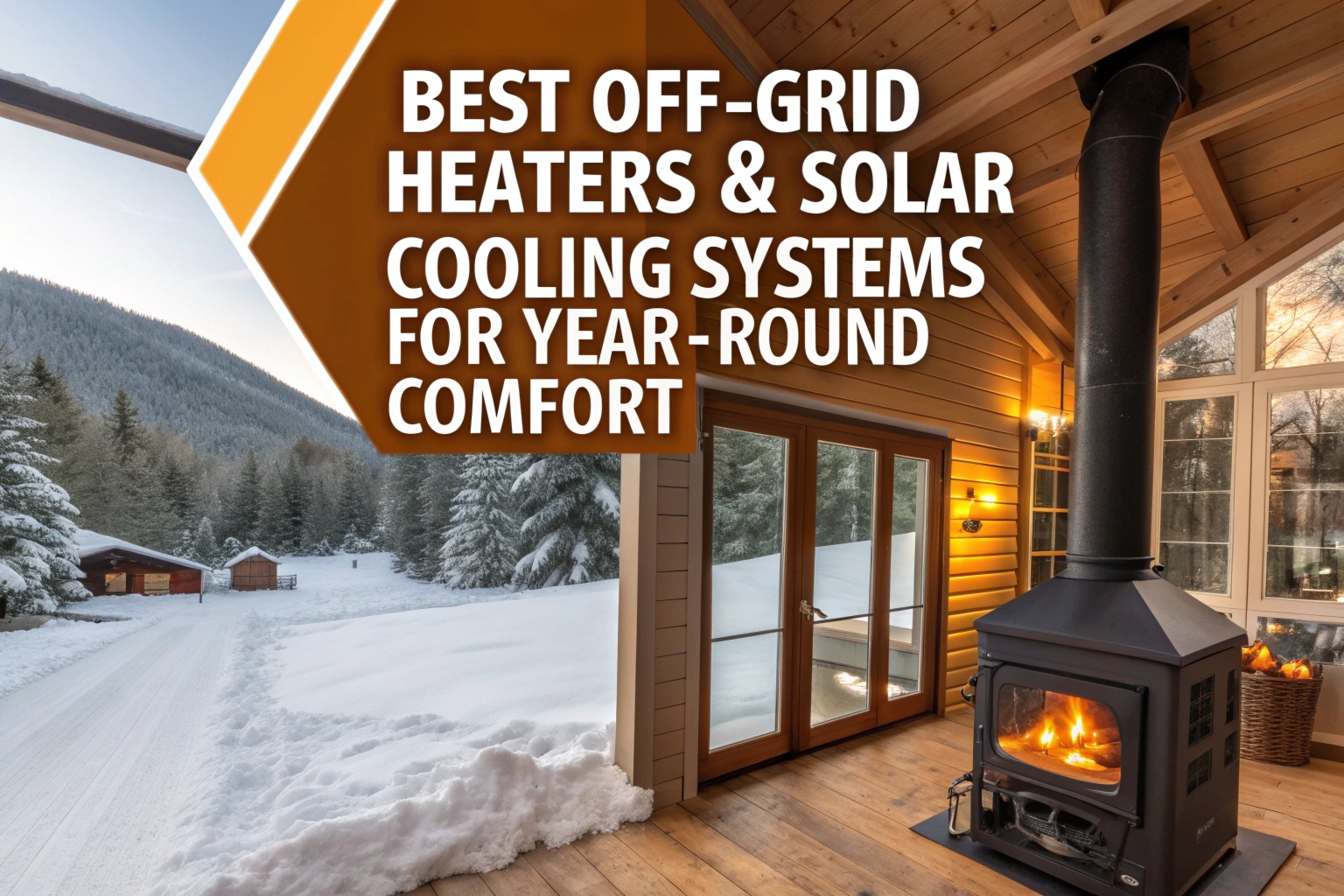
Are you planning to live comfortably off‑grid all year and want reliable heating and cooling solutions that match your lifestyle?
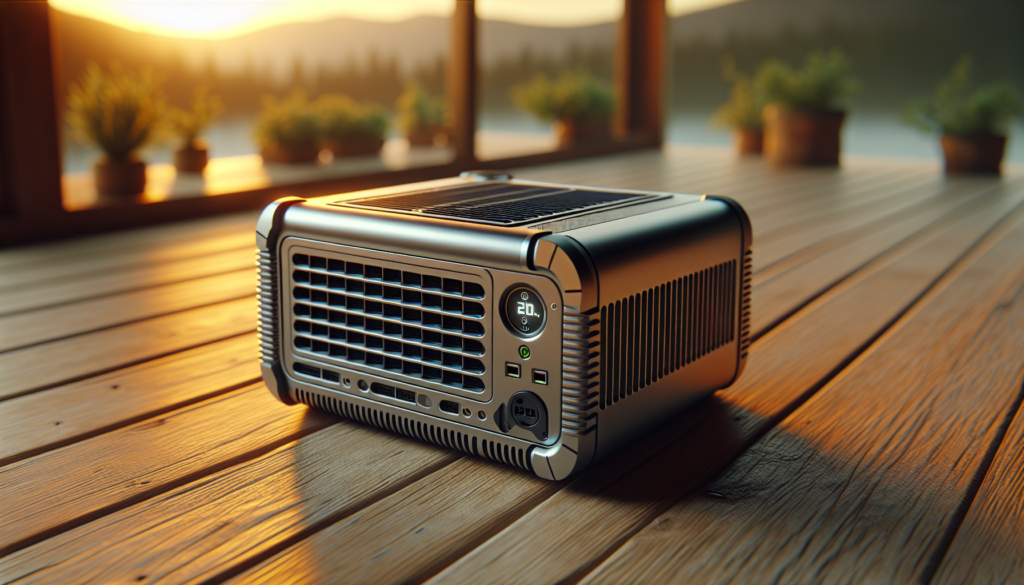
Best Off‑Grid Heaters & Solar Cooling Systems For Year‑Round Comfort
This guide helps you choose and design effective off‑grid heating and solar cooling systems so you stay comfortable through cold winters and hot summers. You’ll get clear explanations of technologies, pros and cons, sizing basics, integration strategies, maintenance tips, and cost considerations so you can make confident decisions for cabins, tiny homes, remote houses, or any off‑grid site.
Why off‑grid heating and cooling matter
You’ll want reliable temperature control not just for comfort but for safety, health (preventing mold and freezing pipes), and protecting equipment or stored goods. Off‑grid systems must balance energy availability, fuel logistics, maintenance, and redundancy. Understanding the tradeoffs helps you choose systems that match your priorities: minimal fuel hauling, low emissions, quiet operation, ease of maintenance, or longest autonomy.
Main choices at a glance
You’ll pick from several families of solutions:
- Combustion heaters (wood, pellet, propane)
- Electric heating (resistive elements, heat pumps)
- Radiant systems (in‑floor electric or hydronic)
- Passive and active solar cooling (PV + DC or inverter air conditioners, solar thermal absorption, evaporative coolers)
- Thermal storage and hybrid systems
A simple way to start is to define your priorities, footprint, and energy budget. The next sections break down each option with actionable details.
Key factors to consider before choosing
You should evaluate these elements to narrow options:
- Climate: extremely cold, temperate, arid, humid
- Daily and seasonal energy profile: peak heating/cooling needs and duration
- Fuel access and storage constraints: wood availability, propane deliveries, battery capacity, solar potential
- Space and ventilation: chimney space, room for tanks, ducting
- Installation complexity and permits: structural modifications, plumbing, gas codes
- Budget: upfront capital vs ongoing fuel/electricity costs
- Maintenance ability: frequency of cleaning and replacements you’re comfortable with
Spend time on a realistic load estimate (heating and cooling BTU or kW) before selecting equipment. You’ll avoid undersizing systems that leave you cold/hot or oversizing which wastes money.
Off‑grid heaters — types and how they fit
You’ll find many heating choices; below are the most common and practical for off‑grid use.
Wood stoves (masonry and freestanding)
Wood stoves are classic off‑grid heaters that provide reliable heat when you have wood on site. They’re simple mechanically, can keep you warm during power outages, and often don’t require electricity to operate.
- How it works: You burn cordwood in a cast iron or steel stove; radiant and convected heat warm the space. A masonry heater stores heat in heavy mass and radiates for many hours.
- Best for: Rural properties with abundant wood and ability to cut/stack fuel.
- Pros: Low fuel cost if wood is free, long autonomy without electricity, durable, effective for large rooms.
- Cons: Labor intensive (splitting, stacking), requires chimney/clearances, particulate emissions, uneven heat unless mass-stored.
- Sizing tip: Choose stove output (BTU/hr or kW) to match heated volume; typical cabin stoves range 20,000–60,000 BTU/hr.
- Safety: Install carbon monoxide (CO) and smoke detectors, maintain clearances, and clean the chimney annually.
Pellet stoves
Pellet stoves automate fuel feed using compressed wood pellets and can offer controllable, efficient heating.
- How it works: An auger feeds pellets into a combustion chamber; fans control combustion and heat transfer.
- Best for: If you want automated solid‑fuel heat and have access to pellet supply.
- Pros: Easier operation than wood stoves, precise thermostatic control, cleaner combustion.
- Cons: Require electricity (small fans and auger), need pellet deliveries, can jam or require cleaning.
- Sizing tip: Match pellet stove output to heat loss; many models 8,000–40,000 BTU/hr.
Propane and kerosene heaters
You’ll use liquid or gas fuels when wood isn’t available. Propane heaters are common off‑grid because propane is relatively energy‑dense and portable.
- How it works: Fuel burns in a sealed or open combustion chamber; some models are wall heaters with direct venting.
- Best for: Remote sites with periodic deliveries or seasonal use.
- Pros: High heat output, reliable, minimal on‑site fuel processing.
- Cons: Ongoing fuel cost, delivery logistics, venting requirements, potential odor and CO risk.
- Sizing tip: Calculate BTU needs and allow for continuous run time; tank sizing depends on seasonal consumption.
Electric resistive heating (baseboard, space heaters)
If you’ve sized PV and battery systems to handle large draw, electric resistance is simple and safe.
- How it works: Electric current passes through resistive elements to produce heat.
- Best for: Smaller spaces or as backup when you can supply sufficient electricity.
- Pros: Simple installation, low maintenance, precise control, quiet.
- Cons: High energy consumption—poor efficiency compared to heat pumps; battery bank and PV system must be large to run for extended periods.
- Sizing tip: For continuous winter heating, design solar and battery capacity to supply daily kWh demands including reserve.
Heat pumps (air‑source and ground‑source / geothermal)
Heat pumps are the most energy‑efficient electric heating option and can also provide cooling. Off‑grid, they require a well‑sized PV + battery system or a backup generator.
- How it works: They move heat from air or ground to the indoors using refrigerant cycles (reverse for cooling).
- Best for: Year‑round comfort where electricity is available from PV or other generation and climates where the heat pump performs well.
- Pros: High coefficient of performance (COP) — 2–4x efficiency versus resistive heating; also serve as air conditioners.
- Cons: Performance drops at very low outdoor temperatures (though cold‑climate models work to −25°C), higher upfront cost, require electricity.
- Sizing tip: Size the heat pump’s capacity to match peak heat loss but plan for backup heat for extreme cold. Consider variable‑speed inverter models for better efficiency and part‑load performance.
Hydronic radiant heating (wood‑fired boiler, electric boiler, heat pump hydronics)
You can distribute heat efficiently through floors and radiators using water heated by various sources.
- How it works: A boiler or heat source heats water circulated through in‑floor tubing or radiators.
- Best for: Comfort‑focused homes where uniform temperatures and low circulating air dust are priorities.
- Pros: Comfortable even radiant heat, can integrate multiple heat sources, thermal mass reduces cycling.
- Cons: Higher installation complexity, plumbing and pump maintenance, freeze protection needed if pipes are in unheated spaces.
- Sizing tip: Combine hydronic systems with thermal storage (large water tank) to shift heating generation to sunny periods for PV systems.
Solar cooling systems — types and suitability for off‑grid
Cooling is often the larger electrical load in summer. Off‑grid cooling choices should prioritize efficiency and low peak demand.
Passive cooling and passive solar design
You’ll lower cooling loads dramatically by designing or retrofitting buildings for shade, insulation, thermal mass, and natural ventilation.
- How it works: Architectural features reduce heat gain and promote cooling without mechanical systems.
- Best for: Any off‑grid structure, especially new builds and retrofits.
- Pros: No operational electricity cost, low maintenance, increases comfort year‑round.
- Cons: Requires thoughtful design and sometimes more space; not always feasible for existing small buildings.
- Key strategies: High R‑value insulation, reflective roofs, shading (overhangs, trees), night ventilation, cross‑ventilation, thermal mass on floors or walls, window orientation and glazing selection.
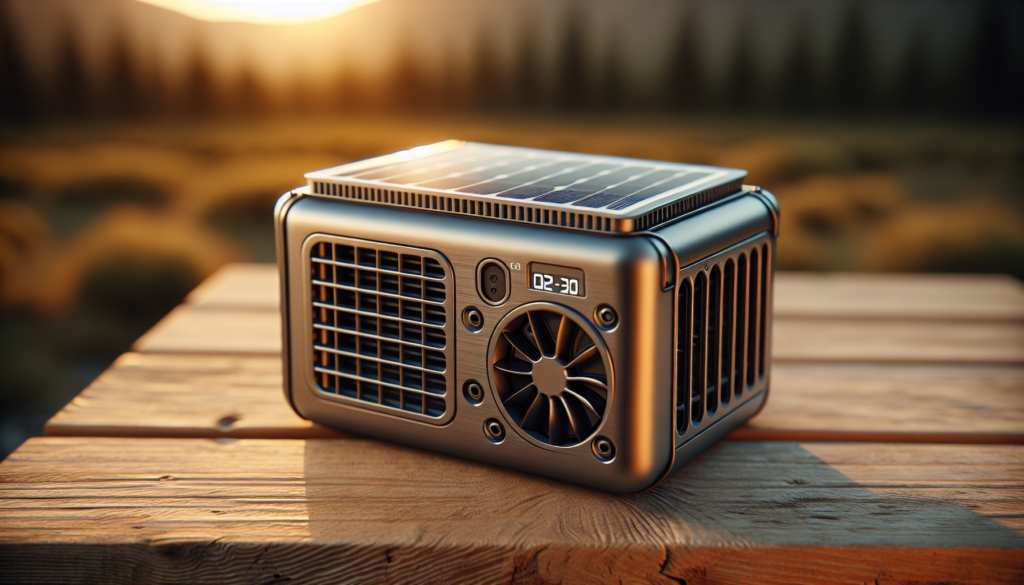
Solar electric (PV) + inverter air conditioners and DC mini‑splits
Using PV to run efficient mini‑split heat pumps is a common off‑grid cooling strategy. DC‑coupled systems and low‑power inverter units increase efficiency.
- How it works: PV arrays charge batteries through an MPPT controller; inverter and AC run DC or AC mini‑splits that provide cooling and heating.
- Best for: Off‑grid homes that already have or plan to install significant PV and battery storage.
- Pros: Mini‑splits are highly efficient (high SEER), provide zoned control, and some models run on DC directly reducing conversion losses.
- Cons: High peak current at startup if non‑inverter units; must size PV and batteries for daytime and nighttime needs or include generator backup.
- Sizing tip: Select cold‑climate or high‑efficiency mini‑splits with inverter compressors; calculate kWh/day for cooling load and design PV to cover that energy plus battery reserve.
Solar thermal absorption chillers (solar cooling using heat)
You can use solar thermal collectors to generate heat that drives absorption chillers, producing cooling without electricity-intensive compressors.
- How it works: Solar collectors heat a fluid, which powers an absorption chiller (often ammonia/water or lithium bromide systems) to provide chilled water or air.
- Best for: Larger installations with high cooling loads and space for collectors and thermal equipment.
- Pros: Uses solar heat directly, can be efficient in sun‑rich climates, lowers electrical demand.
- Cons: Complex, high capital cost, requires careful design and maintenance, best for commercial or larger residential systems.
- Sizing tip: Match collector area and thermal storage to daily cooling loads; consider hybrid systems to ensure night‑time or cloudy day operation.
Evaporative cooling (swamp coolers) powered by PV
Evaporative cooling works well in arid climates and uses much less electricity than vapor‑compression air conditioners.
- How it works: Fans draw air through wet pads; evaporative water cooling lowers air temperature before distribution.
- Best for: Hot, dry climates with low humidity.
- Pros: Low energy use, simple technology, excellent efficiency in appropriate climates.
- Cons: Ineffective in humid climates, requires water supply and pad maintenance.
- Sizing tip: Choose unit capacity for cubic feet per minute (CFM) to meet airflow needs and supply an adequate water reservoir if off‑grid.
Tables: Quick comparison of common heating options
| System | Power/Fuel | Pros | Cons | Off‑Grid Suitability |
|---|---|---|---|---|
| Wood Stove | Cordwood | Low fuel cost (if local), works in outages | Labor, emissions, space | Excellent where wood available |
| Pellet Stove | Pellets + small electricity | Automated, clean burn | Pellet supply, needs electricity | Good with battery backup |
| Propane Heater | Propane | High output, portable | Fuel deliveries, cost | Good with supply logistics |
| Electric Resistive | Grid/PV + batteries | Simple, low maintenance | Very high electricity demand | Limited unless large PV/Batt |
| Air‑Source Heat Pump | Electricity | Very efficient, also cools | Needs electricity, performance drops in extreme cold | Good with PV+storage or hybrid |
| Ground‑Source Heat Pump | Electricity | Stable performance, efficient | High upfront cost, drilling | Good for long‑term off‑grid homes |
| Hydronic Radiant | Various (wood, electric, heat pump) | Comfortable, integrates sources | Complexity, freeze risk | Very good with thermal storage |
Tables: Quick comparison of solar cooling options
| System | Power/Fuel | Best Climate | Pros | Cons |
|---|---|---|---|---|
| PV + Mini‑split | PV + batteries | All climates | High efficiency, flexible | Costly PV/battery needed |
| Solar Thermal Absorption | Solar thermal | Sunny regions | Low electrical use, good for large loads | Complex, expensive |
| Evaporative Cooler | PV or small mains | Hot, dry climates | Very low power use | Not for humid climates |
| Passive Cooling | None | All climates (design dependent) | No operational energy | Requires design/retrofit |
System integration — batteries, inverters, charge controllers, and thermal storage
You’ll need to integrate electrical and thermal systems thoughtfully so each component supports autonomy and reliability.
Batteries and storage strategy
Batteries store electrical energy for night and cloudy periods. Lithium‑ion batteries are common for high cycle life and depth of discharge; lead‑acid still appears where initial costs must be low.
- How to size: Calculate daily kWh for heating/cooling plus other household loads. Multiply by desired days of autonomy (common 1–3 days off‑sun). Add inverter and system losses (10–20%).
- Practical tip: Oversize battery capacity moderately to avoid deep discharge, which shortens life. Consider a generator or propane furnace for backup in long low‑sun seasons.
Inverters and DC coupling
Inverter choice matters: you can use AC‑coupled systems (PV -> inverter -> AC loads) or DC‑coupled systems (PV -> battery/inverter integrated system). For HVAC loads, choose inverters that handle startup surges or use soft‑start compressors.
- For mini‑splits: Prefer inverter compressors with low startup current. Some DC mini‑splits eliminate inverter losses.
- For pellet or propane stoves with fans: Account for those small continuous draws in your daily energy budget.
Thermal storage (water tanks, phase change materials)
Thermal storage evens out daily cycles and extends comfort when PV production fluctuates.
- Water tanks: Large insulated tanks store hot water for radiant heating or solar thermal systems. One cubic meter (1000 L) stores significant heat energy.
- PCM: Phase change materials store latent heat at designed temperatures, useful for stabilizing indoor temps.
- Sizing tip: Match thermal storage hours (e.g., 6–24 hours) to your system’s generation profile.
Hybrid systems
You’ll often combine technologies for reliability: solar PV + battery + wood stove + backup propane. Hybridization reduces the need to oversize any single component and improves resilience.
- Example: Use a wood or pellet stove for continuous winter heat while PV/batteries handle ventilation, lighting, and occasional heat pump operation on sunny days.
Sizing basics — how to estimate your needs
You should perform a simple load calculation to begin sizing equipment:
- Calculate heat loss/gain: Use degree‑day data, R‑values of walls/roof, window sizes, and infiltration estimates. Tools or a professional can refine this.
- Convert to required heating/cooling power: Heat loss (BTU/hr) or kW.
- Determine daily energy: Multiply average runtime by power to get kWh/day.
- Add other electrical loads: Appliances, lighting, pumps, and controls.
- Size PV: PV array kW = (daily kWh demand / average peak sun hours) × system losses factor.
- Size battery: Battery kWh = (desired autonomy days × daily kWh) / allowable depth of discharge.
- Include inefficiencies and reserve: Add at least 20% contingency for unforeseen loads or seasonal variations.
If you’re not comfortable with calculations, a local off‑grid system integrator or HVAC professional can provide a detailed design.
Maintenance, safety, and permits
You’ll keep systems reliable with planned maintenance and safety measures.
Maintenance tasks you’ll perform
- Wood/pellet stoves: Clean ash, sweep chimney, inspect seals and gaskets, service fans.
- Heat pumps/AC: Clean filters, check refrigerant levels annually, clear outdoor coils.
- Solar PV: Keep panels clean of debris, inspect wiring, check charge controller logs.
- Batteries: Monitor state of charge, terminal integrity, and fluid levels for flooded batteries.
- Hydronic: Check pumps, expansion tanks, and antifreeze levels when applicable.
Safety measures
- Install CO and smoke detectors near combustion devices and bedrooms.
- Ensure proper combustion air and venting for all fuel burners.
- Maintain clearances around combustion appliances and keep combustibles away from stoves.
- Follow local codes for propane tank installation, chimney construction, and electrical systems.
- Keep an emergency plan and backup power generation method.
Permits and inspections
You’ll likely need permits for gas lines, propane tanks, structural modifications, and electrical systems. Engage licensed contractors for pressurized gas or complex refrigerant work; many jurisdictions require certified technicians.
Cost considerations and rough budgets
Costs vary widely by technology, site, and labor. Below are ballpark ranges you can use for planning—local prices and installation specifics will change these numbers.
| System | Typical Upfront Cost (USD) | Typical Annual Operating Cost | Notes |
|---|---|---|---|
| Wood Stove | $1,200–$6,000 | Low (wood cost) | Installation and chimney add cost |
| Pellet Stove | $2,000–$5,500 | Moderate (pellets) | Electricity for auger/fans |
| Propane Heater | $800–$4,000 | Moderate–High (propane) | Tank and delivery costs |
| Electric Resistive | $200–$2,000 | High (electricity) | Low install cost |
| Air‑Source Heat Pump | $3,500–$12,000 | Low–Moderate | Highly efficient, requires electricity |
| Ground‑Source Heat Pump | $10,000–$40,000+ | Low | High installation for loops |
| PV Array + Battery for HVAC | $10,000–$100,000+ | Low fuel cost | Depends on capacity, battery type |
| Solar Thermal + Absorption Chiller | $20,000–$100,000+ | Low electricity | Large, complex systems |
Payback depends on existing energy costs, fuel availability, incentives, and how long you plan to occupy the property. Heat pumps often have attractive lifecycle costs if PV is available; wood remains cost effective where labor and wood are abundant.
Practical installation tips
You’ll want to optimize layout and controls for performance and convenience.
- Place radiant floors or heat distribution devices where occupancy is highest to reduce wasted energy.
- For PV, orient arrays to maximize annual solar yield and minimize shading throughout the day.
- Install zoned controls and thermostats to heat/cool only occupied spaces.
- Use smart controllers that prioritize battery state of charge and shift non‑essential loads to high‑sun periods.
- Consider soft‑start devices for compressors to reduce inverter sizing needs.
- Plan fuel and consumables storage (pellets, propane tanks) in accessible, weather‑protected locations.
Sample system recommendations by scenario
Below are practical system recommendations for common off‑grid situations.
Small insulated cabin (400–800 ft²) in temperate climate
- Primary heat: Small wood stove or high‑efficiency pellet stove.
- Backup/auxiliary: Electric resistive baseboard or small inverter mini‑split (PV + battery to match).
- Cooling: Mini‑split served by same PV system (small capacity) or passive shading and cross‑ventilation.
- PV/Battery: 2–5 kW PV with 5–10 kWh battery for basic loads and control; size up if using heat pump frequently.
Family home (1,200–2,000 ft²) in cold climate
- Primary heat: Cold‑climate air‑source heat pump with hydronic backup or wood boiler integrated with hydronic radiant floors.
- Backup: Propane furnace or generator for prolonged low sun periods.
- Cooling: Mini‑split or central heat pump; passive cooling features recommended.
- PV/Battery: 8–15 kW PV array with 20–40 kWh battery and generator for long autonomy.
Hot, arid remote property
- Primary cooling: Evaporative cooler sized for volume plus PV to run fans.
- Heating: Electric or small propane space heaters for cool nights; solar thermal for domestic hot water.
- PV/Battery: Moderate PV to handle evaporative fan loads and basic household appliances.
Monitoring and controls — making your system smart
You’ll benefit from monitoring to optimize performance and detect issues early.
- Use a system that logs PV production, battery state of charge, and inverter loads.
- Smart thermostats can shift heating/cooling setpoints based on forecasted sun or battery status.
- Remote alerts via cellular or satellite can notify you of low battery state, system faults, or fuel levels.
Environmental and comfort tradeoffs
Each system has environmental impacts and comfort characteristics:
- Wood and pellet combustion produce particulate emissions — consider high‑efficiency EPA‑certified stoves and proper burning practices.
- Propane has higher carbon emissions but can be practical for off‑grid reliability.
- PV‑driven systems reduce emissions but shift environmental impact to manufacturing and battery disposal; recycling and long‑lasting components help.
- Comfort is often best with radiant hydronic systems and heat pumps that avoid temperature swings.
Final checklist before you decide
Use this checklist to confirm you’ve covered critical elements:
- Have you documented your heating/cooling loads and daily kWh needs?
- Do you have realistic fuel access plans (wood, pellets, propane)?
- Have you sized PV and battery systems with seasonal variations in mind?
- Do you have backup strategies for prolonged low‑sun periods?
- Are installation, permitting, and local codes accounted for?
- Have you budgeted for maintenance and periodic replacement parts?
- Do you have safety devices (CO/smoke detectors) and ventilation planned?
Conclusion choosing for comfort and resilience
You’ll find no one‑size‑fits‑all answer. The best off‑grid heater and solar cooling solutions match your climate, fuel access, budget, and tolerance for maintenance. In many cases, combining technologies efficient building envelope, passive measures, a primary low‑cost heat source like wood, and PV‑driven heat pumps or mini‑splits gives the most resilient and comfortable outcome. Start with accurate load calculations, prioritize efficiency and envelope improvements, and design your PV/battery/thermal storage to support peak seasons with backup options for extremes. With careful planning, you’ll enjoy year‑round comfort while staying independent from the grid.