Have you ever imagined leaving the grid and living more independently, while keeping your expenses low and your stress manageable?
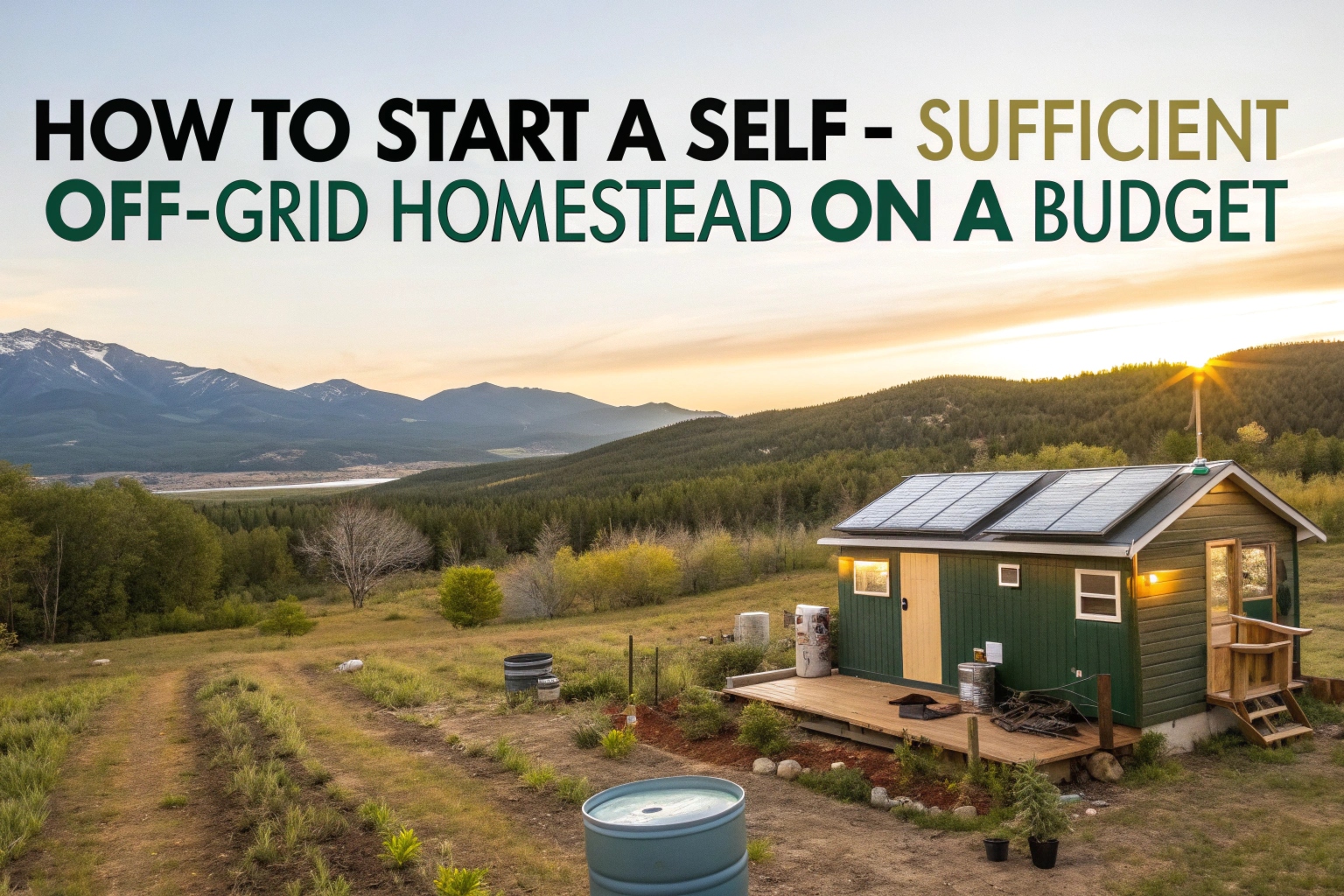
How To Start A Self‑Sufficient Off‑Grid Homestead On A Budget
Starting an off‑grid homestead doesn’t have to mean spending a fortune or owning acres of land. With careful planning, practical choices, and a focus on the essentials, you can build a resilient, self‑reliant lifestyle that fits your budget and priorities. In this guide you’ll find step‑by‑step information, budget suggestions, and practical tips to get started.
Why choose an off‑grid homestead?
You’ll find many reasons people choose homesteading: reduced bills, more control over food and energy, increased resilience, and a deeper connection with the land. On a budget, you can prioritize the systems that matter most to you and grow from there.
Clarify your goals and priorities
Before you spend any money, decide what “self‑sufficient” means to you. Are you aiming for full energy independence, homegrown food, or just reduced utility bills? Set short‑, medium‑, and long‑term goals so every purchase and project supports your plan.
Create a basic goal list
Write down specific, measurable goals: for example, “grow 50% of my calories within two years” or “install a 3 kW solar system in year one.” These targets keep you accountable and help choose where to invest first.
Budgeting: start small and scale up
You won’t accomplish everything at once. Start with low‑cost, high‑impact projects and scale as you save or generate income. Prioritize water and shelter first, then food production, then energy and waste systems.
Sample phased budget plan
This table gives a simple way to spread spending over time.
| Phase | Priority | Typical Cost Range | Timeline |
|---|---|---|---|
| Phase 1 | Secure land, shelter, water basics | $1,000–$10,000 | 0–6 months |
| Phase 2 | Food production: garden, small livestock | $500–$5,000 | 6–18 months |
| Phase 3 | Off‑grid power, heating upgrades | $2,000–$15,000 | 1–3 years |
| Phase 4 | Expanded food storage, preservation, workshops | $500–$5,000 | 2–5 years |
| Phase 5 | Advanced systems: greenhouse, irrigation automation | $1,000–$10,000 | 3–7 years |
Adjust ranges to your region and goals. Many homesteaders spread projects across years and buy used or repurposed materials to cut costs.
Choosing land on a budget
Land selection determines much of your future work and expenses. Prioritize access to water, sunlight, and reasonable soil before aesthetics. Smaller parcels near a water source and with south‑facing slopes are often more productive than larger, poor quality tracts.
Key land features to assess
Look for these traits, and be ready to trade size for productivity:
- Water availability: well, spring, pond, or municipal connection
- Sun exposure: open southern exposure for crops and solar
- Soil quality: topsoil depth, texture, and drainage
- Slope and topography: gentle slopes can aid drainage and microclimates
- Access and zoning: road access and legal use for livestock/gardening
- Proximity to community: closer neighbors reduce isolation costs and provide barter opportunities
Legal and zoning considerations
You must follow local regulations for water rights, building codes, septic systems, and livestock. Research county rules before buying land so you don’t face costly fines or required removals.
How to check regulations
Contact local planning and building departments, read zoning maps online, and ask neighboring property owners. If you plan to build off‑grid shelter or install solar, verify permit requirements and setback rules.
Shelter: affordable housing options
You don’t need a large house to be comfortable. Consider tiny homes, converted vans, cabins, refurbished shipping containers, or gradually upgraded trailers. Use reclaimed materials and simple, well‑insulated designs to keep costs down.
Comparing cheap shelter options
| Option | Upfront Cost | Insulation/Comfort | Mobility | Permits |
|---|---|---|---|---|
| Used mobile home | Low–Medium | Medium | Mobile | Often required |
| Tiny house on trailer | Medium | Good | Mobile | Complex |
| Small cabin/shed conversion | Low–Medium | Good | Fixed | Usually required |
| Shipping container | Medium | Needs retrofit | Fixed | Varies |
| Tent/temporary shelter | Very low | Poor | Mobile | Short‑term use |
Invest in good insulation and weatherproofing first; heating fuel can become your largest recurring cost without it.
Water: access, collection, and conservation
Water is non‑negotiable. If you don’t have a reliable well or municipal connection, rainwater harvesting and storage systems can be a cost‑effective start. Combine collection with conservation measures to stretch supply.
Rainwater system basics
A simple system includes rooftop collection, gutters, a first‑flush diverter, and storage tanks. For potable use, add filtration and UV or chlorination depending on local requirements.
Water budget by household activity
Estimate daily needs so you can size storage and reuse systems sensibly.
| Activity | Liters per day (typical per person) |
|---|---|
| Drinking/cooking | 4–10 L |
| Hygiene (minimal) | 20–50 L |
| Laundry | 10–40 L (per load, can be shared) |
| Gardening (drip irrigation) | Variable; 5–40 L/day per 10 m² |
Use greywater systems for garden irrigation where allowed. Mulch and drip irrigation reduce waste.
Energy: low‑cost options and prioritization
Energy is often the biggest upfront cost for full off‑grid setups. Focus first on reducing demand (efficiency) then meet the remaining need with affordable generation.
Energy first: reduce demand
- Insulate and air‑seal buildings.
- Use energy‑efficient appliances and LED lighting.
- Choose propane or wood for cooking/heating where sensible.
- Orient living spaces for passive solar gain.
Renewable energy options
- Solar photovoltaic (PV): modular and scalable. Good for small budgets when purchased incrementally.
- Micro wind: effective in windy locations.
- Micro hydro: best when you have flowing water year‑round.
- Hybrid systems: combine sources with batteries for reliability.
Example small solar system sizing
| Use | Daily kWh | Recommended PV | Battery storage |
|---|---|---|---|
| Minimal (lights, phone charging) | 0.5–1 kWh | 200–400 W | 0.5–1 kWh |
| Basic (fridge, lights, tools) | 3–5 kWh | 1–2 kW | 5–10 kWh |
| Full off‑grid household | 8–20 kWh | 3–6 kW | 10–30 kWh |
Buy quality inverter/charge controller components, but consider used batteries or second‑hand panels to save money if you can verify condition.
Food production: gardens, orchards, and preservation
Producing your own food lowers grocery bills and improves resilience. Start a productive vegetable garden, add perennial plants, and use season extension techniques to lengthen harvest windows.
Start with a manageable garden
Begin with a 100–200 m² garden if space allows. Focus on high‑yield staples like potatoes, beans, squash, and tomatoes. Learn succession planting and companion planting to maximize output.
Permaculture principles
Apply simple permaculture ideas: diversify plantings, use guilds (e.g., fruit tree with nitrogen‑fixing plants), build soil, and store water. These increase yields without expensive inputs.
Cold frames and season extension
Use low tunnels, cloches, or simple cold frames to start crops earlier and harvest later. These structures are cheap and multiply your food production per square meter.
Food preservation methods
Preserving surplus is essential: learn canning, pickling, fermenting, drying, and root cellaring. A small chest freezer (if you have power) or a root cellar (cool, humid storage) extends shelf life at low cost.
Soil building and composting
Good soil reduces the need for fertilizers and increases yields. Composting kitchen scraps and using green manures are cost‑effective ways to build fertility.
Compost systems for every budget
- Simple compost piles: free, low maintenance.
- Worm bins (vermicompost): faster nutrient‑rich compost for gardens.
- Hot composting: requires turning but kills seeds and pathogens.
Add wood chips and leaf litter as carbon sources and use rotational compost bays to handle larger volumes.
Livestock: start small and practical
Animals add protein and nutrients to your homestead, but they add responsibility. Start with small, low‑cost animals: chickens for eggs, rabbits for meat, or a couple of goats for milk if legal. Pigs and cows require more feed and fencing, which increases costs.
Livestock starter guide
| Animal | Purpose | Space needed | Cost considerations |
|---|---|---|---|
| Chickens | Eggs, meat | Low | Coop, feed, predator protection |
| Rabbits | Meat, manure | Low | Hutch, breeding management |
| Goats | Milk, brush control | Medium | Fencing, shelter, milking |
| Sheep | Meat, wool | Medium | Fencing, parasite control |
| Pigs | Meat | Medium–High | Feed costs, fencing, rooting prevention |
Rotate pastures and use animal manure to feed your compost system and boost garden fertility.
Waste and sanitation
Design an affordable, safe sanitation plan. Composting toilets, septic systems, and greywater solutions each have pros and cons. Choose systems that meet local codes and fit your budget.
Composting toilet basics
Good Composting toilet systems separate urine and solids, require ventilation, and produce usable compost when managed properly. They can be low cost and conserve water, but check regulations before using compost on food crops.
Tools, equipment, and materials sourcing
Buy used tools, barter, and repurpose materials to reduce costs. A few quality hand tools and a small set of power tools will cover most needs. Salvage building materials from auctions and demolitions.
Essential tool list for starters
- Shovel, hoe, rake
- Hand trowels and pruners
- Chainsaw (or saw and axe)
- Drill and circular saw
- Wheelbarrow
- Water testing kit
- Soil test kit
Invest in durable items where safety matters (chainsaws, ladders, and pressure vessels).
Heating and cooking on a budget
Wood stoves are cost‑effective for heating if you have reliable wood supply. Propane and kerosene are options for cooking and backup heat if wood is limited. Efficient rocket stoves and improved cookstoves reduce fuel needs.
Rocket stove benefits
Rocket stoves are low cost, highly efficient, and useful for cooking and small‑scale heating. You can build simple models from bricks or metal for minimal expense.
Security, safety, and risk management
Plan for emergencies: keep a first‑aid kit, store seeds and spare parts, and prepare firebreaks if in a wildfire zone. Insurance and sensible security measures protect both investment and safety.
Emergency supply checklist
- Water storage (at least several days)
- Nonperishable food (weeks to months depending on storage)
- First‑aid and medical supplies
- Tools for repairs and fire suppression
- Backup power (generator or battery bank)
Skills you’ll need and how to learn them affordably
Practical skills are more valuable than expensive equipment. Learn gardening, basic carpentry, plumbing, animal care, and basic electrical work. Trade labor with neighbors and use free or low‑cost online resources and local community classes.
Low‑cost learning strategies
- Volunteer at community farms or homesteads
- Join local meetups, workshops, and seed swaps
- Use free online tutorials and library books
- Trade skills with neighbors or barter for lessons
Skill development reduces long‑term costs and increases your confidence to tackle projects.
Community, bartering, and building local networks
You don’t need to be isolated to be off‑grid. Local networks supply tools, knowledge, seedlings, and barter partners. A strong community reduces the need for expensive purchased services.
How to connect locally
Attend farmers’ markets, join gardening groups, and participate in barter networks. Offer labor in exchange for equipment use or mentorship.
Phased project checklist
Breaking projects into manageable stages keeps your budget balanced and progress visible. This checklist shows common early‑stage tasks.
- Secure land and verify legal use
- Establish safe shelter and insulation
- Set up reliable water source and storage
- Build a small garden and compost system
- Add chickens or other small livestock
- Install basic solar for lights and charging
- Improve food storage and preservation techniques
Complete each step to a functional level before moving to the next; incremental investment reduces financial risk.
Cost‑saving hacks and reuse ideas
You’ll save a lot by thinking creatively. Salvage pavers for paths, repurpose old windows for cold frames, and use pallets for compost bins or simple sheds. Freecycle, Craigslist, auctions, and farm cleanouts are goldmines for inexpensive materials.
Examples of high value low cost swaps
- Old chest freezer as root cellar if kept shaded
- Wine barrels for planters and water storage
- Car batteries for small, short‑term power needs (use with caution)
- Milk cans or oil drums for rainwater tanks (retrofit carefully)
Always ensure reused items are safe and non‑toxic for food systems.
Sample monthly budget for a frugal starter homestead
This example shows typical ongoing costs for a very basic homestead with low expenses. Your numbers will vary but use this as a baseline.
| Expense | Monthly Cost (USD) |
|---|---|
| Property taxes/lease | 50–200 |
| Propane/wood fuel | 25–100 |
| Feed and livestock supplies | 20–100 |
| Seeds and garden supplies | 10–30 |
| Maintenance and tools | 10–50 |
| Energy systems (payback/loan) | 50–200 |
| Miscellaneous | 10–50 |
| Total | 175–730 |
Aim to reduce recurring costs through renewables, improved efficiency, and self‑produced food.
Seasonal planning and what to do first year
A successful first year focuses on security, soil, water, and simple food crops. Volunteer labor, simple structures, and learning the rhythm of your land guide future investments.
First year timeline (basic)
- Spring: establish garden beds, plant quick crops, set up compost
- Summer: expand planting, manage pests, start small livestock
- Fall: harvest, preserve food, plant cover crops and garlic
- Winter: plan next year, repair tools, study and train
Use a simple journal to track planting dates, yields, and maintenance tasks.
Monitoring progress and adapting your plan
Track yields, energy use, and expenses. Small shifts—like swapping a thirsty crop for a drought‑tolerant option—save time and resources. Use a simple spreadsheet or notebook to monitor improvements and identify bottlenecks.
Metrics to track
- Kilograms of produce per square meter
- Water usage per day
- Fuel usage per month
- Energy generation and storage performance
- Money spent vs. saved
These numbers help you decide when to scale systems or change practices.
Environmental and ethical considerations
Aim for soil health, biodiversity, and humane animal care. Low‑cost homesteading doesn’t mean cutting ethical corners. Healthy ecosystems reduce inputs and increase long‑term productivity.
Practices to minimize impact
- Avoid synthetic pesticides when possible
- Rotate crops and livestock to reduce disease and pest pressure
- Protect pollinators with flowering plants
- Use native species for hedges and shelterbelts
A resilient homestead works with nature rather than against it.
Common mistakes and how to avoid them
- Overbuying equipment before you need it: start small and expand.
- Ignoring local rules: check permits and codes early.
- Underestimating water needs: ensure reliable supply before committing.
- Trying to do everything alone: network and trade skills.
Plan realistically and keep learning from mistakes as inexpensive lessons.
Final checklist to get started
- Define your core goals and make a phased plan
- Secure land and check zoning/water regulations
- Set up essential shelter and water systems
- Build a basic garden and compost system
- Learn key skills and create local connections
- Prioritize efficiency before generation for energy systems
- Start with a few easy animals and scale as you gain experience
If you follow these steps gradually, you’ll transform an idea into a workable off‑grid homestead without breaking the bank.
Resources and further learning
Seek out local extension agents, community agriculture programs, seed swaps, and reputable online forums to continue learning. Libraries and second‑hand books often provide excellent practical guides. Workshops and skill trades are often available in rural communities for little to no cost.
You’re setting yourself up for a rewarding lifestyle that grows with you. Keep goals practical, spend intentionally, and let hands‑on experience guide your next investments—your homestead will evolve into a resilient, enjoyable home.