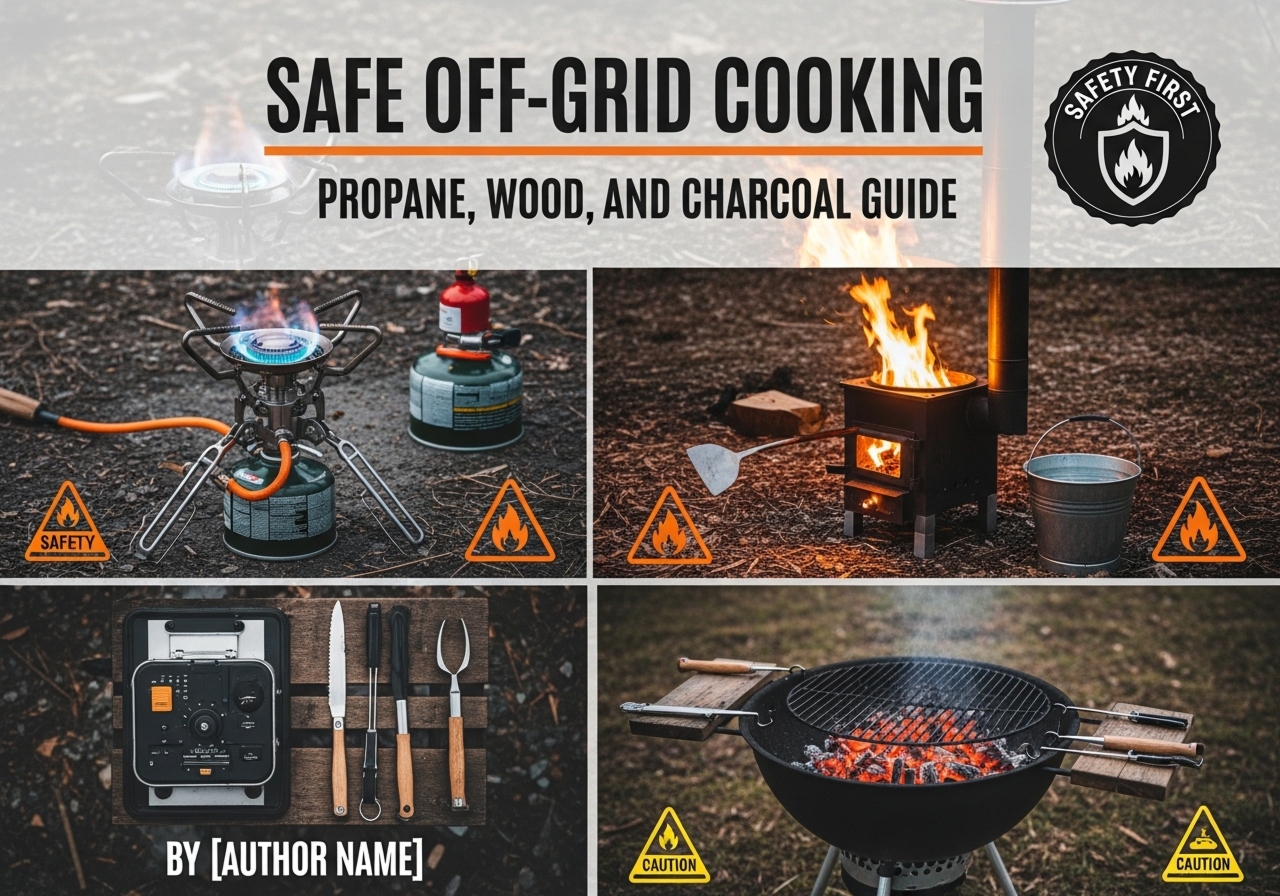
?Are you planning to cook off‑grid and want clear, practical steps to do it safely with propane, wood, or charcoal?
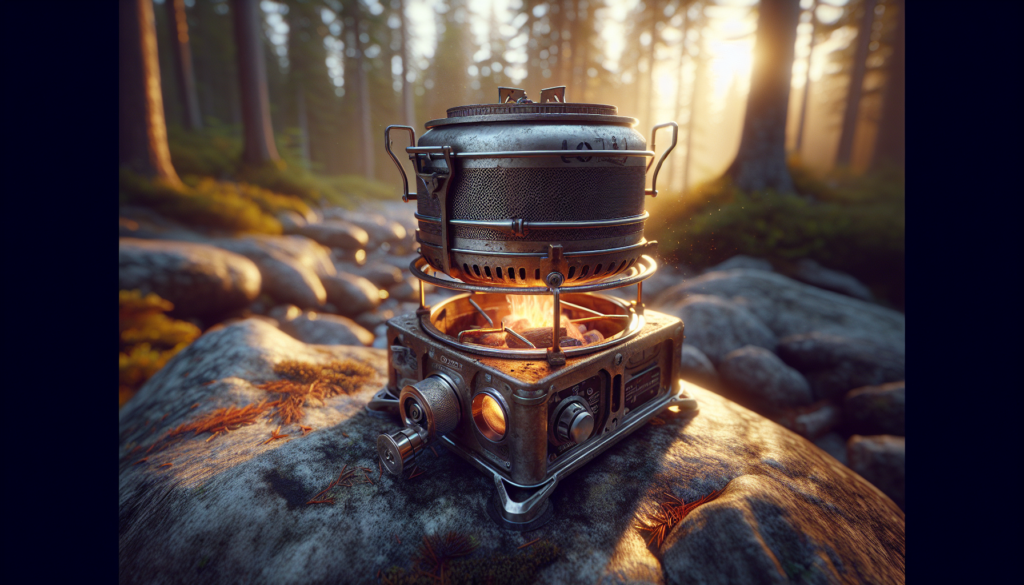
How To Cook Off‑Grid Safely With Propane, Wood, Or Charcoal (Beginner’s Guide)
This guide shows you how to set up, operate, and maintain safe off‑grid cooking systems using propane, wood, or charcoal. You’ll get practical safety practices, step‑by‑step procedures, gear checklists, and troubleshooting tips so you can feed yourself and others without unnecessary risk.
Why safety matters when you cook off‑grid
Cooking off‑grid adds variables you don’t face in a modern kitchen: open flames, unpredictable winds, limited water, and often limited help. You need to manage carbon monoxide, fires, fuel handling, and food safety to protect yourself and your camp or home.
Which fuel should you choose: propane, wood, or charcoal?
Each fuel has strengths and weaknesses for off‑grid cooking. You’ll choose based on where you are, what you’re cooking, how long you’ll be away, and how much risk or maintenance you want to accept. Below is a quick comparison to help you decide.
| Feature | Propane | Wood | Charcoal |
|---|---|---|---|
| Heat control | Excellent, instant | Good to variable | Good with vents |
| Fuel availability | Requires cylinders or refill | Often available locally | Easy to pack or buy |
| Startup time | Fast | Slow to build hot coals | Moderate with chimney starter |
| Cleanliness | Clean-burning | Creates ash, smoke | Produces ash and soot |
| Carbon monoxide risk | Significant indoors | Significant indoors | Significant indoors |
| Suitability for cold | Pressure drops in extreme cold | Good if dry wood | Good, but lighter issues |
| Maintenance | Low | Requires chimney cleaning for stoves | Requires ash removal |
| Ideal for | Quick meals, precise control | Long cooking, wood-fired flavor | Grilling, steady sear |
Basic safety principles you should follow
You must treat every cooking system with respect. Keep fuels away from open flames, maintain ventilation, have fire suppression ready, and never leave a fire or lit burner unattended. You’ll also plan for fuel storage, proper disposal of ashes, and safe transport of cylinders.
Propane basics and safety
Propane is a common off‑grid cooking fuel because it’s clean, controllable, and portable. You’ll typically use small 1‑lb cylinders for backpack stoves, or 20‑lb tanks for larger grills and camp systems.
How propane stoves and regulators work
You should know that propane leaves the tank as a vapor, passes through a regulator that reduces pressure, then travels through a hose to the burner where it mixes with air and burns. A properly installed regulator and hose are critical for safe operation.
Setting up propane safely
Set up on level ground, with the cylinder upright and secured. Attach the regulator and hose following the manufacturer’s instructions. Use only approved connectors and a regulator designed for your tank size. Perform a leak test with soapy water on every connection before lighting.
Leak check and emergency shutoff
You should check for leaks by brushing a soap-and-water solution on fittings; bubbles mean a leak. If you find one, turn off the cylinder valve, ventilate the area, and tighten or replace the faulty part. Always know where the cylinder valve is and shut it off when the stove is not in use.
Lighting and flame control
Light per the stove’s instructions: open the valve slowly, ignite at the burner, and adjust the flow for the desired flame. A steady blue flame indicates good combustion; a yellow or sooty flame indicates incomplete combustion and possible carbon monoxide risk—shut it down and fix the issue.
Transporting and storing propane
You must transport cylinders upright and secure them so they don’t roll. Store tanks outdoors in a cool, ventilated place away from direct sunlight and heat sources. Never store propane in living spaces or tents.
Troubleshooting common propane problems
If the flame sputters or is weak, check the regulator and hose for blockages or ice buildup in cold conditions. Low flame in cold weather often indicates low vapor pressure—warm the tank slightly (not with a flame). Replace cracked hoses and regulators showing malfunction.
Wood cooking basics and safety
Wood gives you a hot, cost‑effective flame and a unique flavor. You’ll use open fire pits, ringed fire pits, or enclosed wood stoves and rocket stoves. Wood requires more attention and ash management but is forgiving on fuel sourcing.
Choosing the right wood and preparation
Use dry, seasoned hardwoods such as oak, ash, or maple for the longest, hottest burn. Avoid green wood, treated wood, or painted wood because they produce toxic fumes and heavy creosote. Split larger logs for quicker ignition and more efficient burning.
Building a safe fire pit or stove setup
Place your fire system on a noncombustible surface clear of overhanging branches and at least several feet away from tents, huts, or siding. Use a steel fire ring or a dedicated wood stove. Stack wood on a raised, dry platform away from the fire to prevent accidental ignition.
Managing embers and ash
You should monitor embers to control heat and reduce sparks. Keep a metal shovel and bucket for ash removal and store ash in a metal container away from combustibles until completely cool. Wet ash can remain hot for hours; treat it carefully.
Indoor wood stoves and chimneys
If you use an indoor wood stove, install a proper chimney with a spark arrestor and maintain clearances to walls and ceilings per the stove’s manual. Clean the chimney and stove pipe regularly to remove creosote buildup, which causes chimney fires.
Wind, sparks, and spark arrestors
You need spark arrestors on chimneys and use fire screens on open fires to reduce the risk of sparks traveling to nearby flammable materials, especially in windy conditions.
Charcoal cooking basics and safety
Charcoal is great for steady heat and grilling. Lump charcoal burns hotter and cleaner than briquettes, but briquettes offer consistent heat and longer burn times. You’ll usually use a grill or a portable charcoal cooker.
Lighting charcoal safely
The safest method is a chimney starter: pack crumpled newspaper below the chimney, then fill the top with charcoal and light the paper. Lighter fluid is effective but should be used with caution—never add it to hot coals, and store it away from heat.
Controlling temperature with vents
You manage charcoal heat primarily by adjusting top and bottom vents: more air equals higher heat, less air equals lower heat. You’ll learn to maintain steady temps by adding coals gradually and moving coals closer or farther from the food.
Handling ash and disposing of coals
Let coals burn out and cool completely before disposal. Store cooled ash in a metal container and never dump hot coals near dry grass or combustible materials. Keep water or sand onsite to extinguish live coals quickly if needed.
Fire extinguishers and suppression
You should have at least one ABC fire extinguisher rated for grease and electrical fires when cooking off‑grid, and a BC extinguisher can be useful for fuel fires. Keep a bucket of water, sand, or a fire blanket nearby depending on the fuel type—do not put water on a grease fire.
What to use for different fires
- Propane or gas fires: Shut off fuel if safe, use a BC or ABC extinguisher.
- Grease fires: Smother with a lid, baking soda, or use a Class K extinguisher if available. Do not use water.
- Wood/charcoal fires: Water, sand, or standard extinguishers are appropriate if flames need control.
Carbon monoxide (CO) risks and mitigation
CO is an odorless, colorless gas produced by incomplete combustion. You must never run propane stoves, charcoal grills, or wood fires in enclosed spaces such as tents, vehicles, or unventilated cabins.
Detecting CO and what detectors you need
You should carry a battery‑powered carbon monoxide detector and test it regularly. Place detectors at sleeping areas and near the cooking location if indoors to give you early warning.
Safe ventilation practices
If you must cook inside a shelter, open windows and doors and keep a vent path for fresh air. Better yet, move cooking outside on a stable platform with a windbreak if needed. Always inspect that the exhaust path for a wood stove is clear and functional.
Food safety and perishables off‑grid
You need to keep foods out of the danger zone (40°F–140°F) to prevent bacterial growth. Without reliable refrigeration, plan meals, use insulated coolers with ice, or rely on shelf-stable foods.
Storing and transporting perishables
Use high-quality coolers and block ice when possible. Store raw meats separately in sealed containers and consume perishables early in your trip. Consider dehydrated foods, cured goods, and canned items to reduce spoilage risk.
Safe cooking temperatures and tools
You should use a digital thermometer to confirm food reaches safe temperatures (e.g., 165°F / 74°C for poultry). Always reheat leftovers to 165°F and cool them quickly in shallow containers if you plan to store them.
Cookware and utensils for off‑grid
Choose durable, multi‑purpose cookware. Cast iron is excellent for heat retention and can be used across fuel types. Lightweight stainless steel or hard-anodized aluminum works well for boiling and frying. Bring long-handled tools, heatproof gloves, and a sturdy spatula.
Cast iron care and maintenance
You should season cast iron before use and avoid soaking it in water for long periods. After cooking, remove food residue, dry thoroughly, and apply a thin coat of oil to prevent rust. For charcoal and wood fires, cast iron shines because it tolerates high heat.
Setting up a safe cooking area
Create a level, stable cook area clear of flammable brushes, sleeping gear, and fuel storage. Use a windscreen at a safe distance to block gusts without trapping heat or blocking ventilation. Place a noncombustible mat or rocks under the stove or grill.
Distance and clearance guidelines
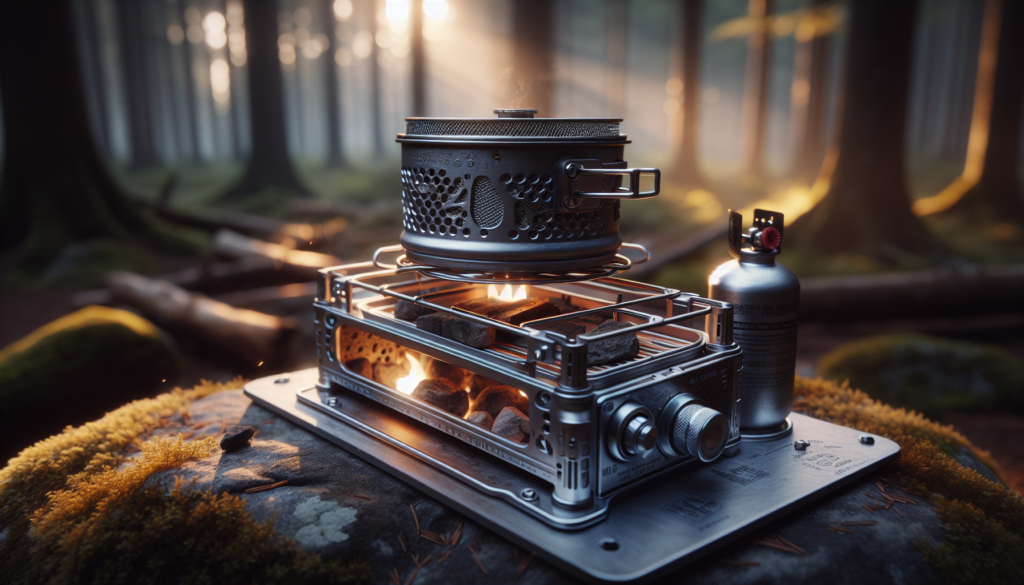
Keep propane tanks and fuel cans at least 10 feet from open flames. Maintain a clear zone of several feet around any fire pit or grill. For indoor wood stoves follow the manufacturer’s required clearances to combustible materials.
Handling and storing fuels
Proper handling and storage prevent accidents and reduce theft or contamination.
Propane storage tips
Store propane tanks upright on a flat, ventilated area outdoors. Keep spare cylinders capped and upright. Never store in living areas, basements, or enclosed spaces.
Wood and charcoal storage
Keep wood elevated off the ground, covered on top but ventilated on the sides to prevent moisture. Store charcoal in sealed containers to keep it dry and safe from pests.
Cold-weather considerations
Cold affects fuel performance and increases risks. You’ll need to adjust equipment and habits when cooking in freezing temperatures.
Propane in cold weather
Propane pressure drops as tanks cool; you may see weak flames if the tank gets too cold. Keep the tank insulated (never enclosed) or use a larger tank for better vapor pressure. Consider alternative fuels like white gas for extreme cold if you need reliable performance.
Wood and charcoal in cold weather
You’ll want dry, seasoned wood for good combustion. Start with small kindling and gradually add larger logs to build consistent heat. For charcoal, preheat longer with a chimney starter to ensure full ignition.
Practical cooking techniques off‑grid
Learning a few techniques makes cooking easier regardless of fuel type. You’ll use either direct heat for searing or indirect heat for slow cooking.
One-pot meals and foil packets
One-pot meals save fuel and cleanup—stews, chili, and pasta are great options. Foil packet meals work on all three fuel types: assemble ingredients in heavy foil and place them on hot coals or a grill for simple, evenly cooked meals.
Dutch oven cooking
You can make breads, roasts, and casseroles with a cast-iron Dutch oven over coals or a wood stove. Learn coal placement—more coals on top create oven-like heat. Rotate the oven occasionally for even cooking.
Using a heat diffuser
A heat diffuser or lava rock plate helps spread heat evenly on a stove to prevent hot spots and burning. Use one under pans on direct flame to moderate temperatures, especially with cast iron or thin aluminum pans.
Common problems and troubleshooting
You’ll face issues such as gusting winds, soggy fuel, or uneven heating. Solve these with practical steps rather than panic.
Propane flame is yellow or sooty
A yellow flame indicates incomplete combustion—check the burner ports for blockage, ensure proper ventilation, and confirm the regulator is functioning. If indoors, shut down immediately and ventilate for CO.
Charcoal won’t stay lit
Add more airflow with vents or stack coals to increase draft. Use a chimney starter for quick ignition and avoid adding lighter fluid to hot coals.
Wood produces excessive smoke
Wet or green wood creates smoke. Let wood dry longer before burning and use smaller pieces for hotter, cleaner combustion. Improve draft with better chimney or firebox design.
Tools, accessories, and checklist
Having the right gear makes cooking safer and easier. Below is a checklist you can use to pack for a typical off‑grid cooking setup.
| Item | Purpose |
|---|---|
| Propane stove and spare regulator/hose | Primary cooking for propane setups |
| Small 1‑lb and 20‑lb propane cylinders | Fuel options for stove and grill |
| Cast iron skillet and Dutch oven | Versatile cookware for all fuels |
| Chimney starter | Safely light charcoal |
| Fire extinguisher (ABC) | For immediate fire suppression |
| Carbon monoxide detector | Alerts you to dangerous CO levels |
| Metal ash container and shovel | Safe ash handling |
| Heatproof gloves and long utensils | Protect hands from burns |
| Soapy water spray bottle | Propane leak testing |
| Coolers and thermometers | Food safety tools |
| First aid kit | For minor burns and cuts |
| Spark arrestor and stove pipe (if using wood stove) | Fire control for chimneys |
| Windshield or windbreak | Stabilize flame and conserve fuel |
Waste management and campsite leave-no-trace
You should pack out what you bring and extinguish all fires completely. Dispose of food scraps responsibly to avoid attracting wildlife. Scatter cooled ashes thinly or pack them out if required by local rules.
Legal and environmental considerations
Check local fire regulations, burn bans, and park rules before lighting any fire. Some areas prohibit charcoal and wood fires during high-risk seasons. Follow local laws for propane transport and storage.
Meal planning and fuel budgeting
Plan meals that match your fuel supplies and cooking method. One-pot dishes, dehydrated meals, and items that require minimal boil time save fuel. Estimate fuel use: a 1‑lb propane cylinder might boil a few liters of water several times depending on stove efficiency—test your setup at home to know exact consumption.
Training and practice
You should practice setting up and using your off‑grid cook systems at home before heading out. That reduces the chance of mistakes and helps you learn how long it takes to light fires, adjust vents, and cook typical meals.
Emergency scenarios and response
Prepare for emergencies like runaway fires or carbon monoxide alarms. Have an escape plan and know where water sources and shelter are located. In a building, evacuate and call emergency services if CO alarms activate or a fire grows beyond immediate control.
Final checklist before you light any fire
- Confirm no local burn ban or legal restriction.
- Test propane connections with soapy water.
- Clear an area free of combustible material.
- Set up extinguisher, water, and bucket of sand nearby.
- Ensure carbon monoxide detector is working.
- Keep fuel storage separated and safe.
- Keep a plan for animals and waste.
Closing thoughts and encouragement
You can cook safely off‑grid with propane, wood, or charcoal by combining the right equipment, good practices, and a safety mindset. Learn how each fuel behaves, respect ventilation and fire precautions, and practice at home so you’re ready when you’re away from the grid. With careful planning and the gear listed above, you’ll enjoy hot, satisfying meals and reduced risk wherever you cook.
If you’d like, I can provide sample meal plans for a weekend trip, step‑by‑step instructions for building a safe wood stove setup, or a printable checklist you can use when packing — tell me which would help you most.