
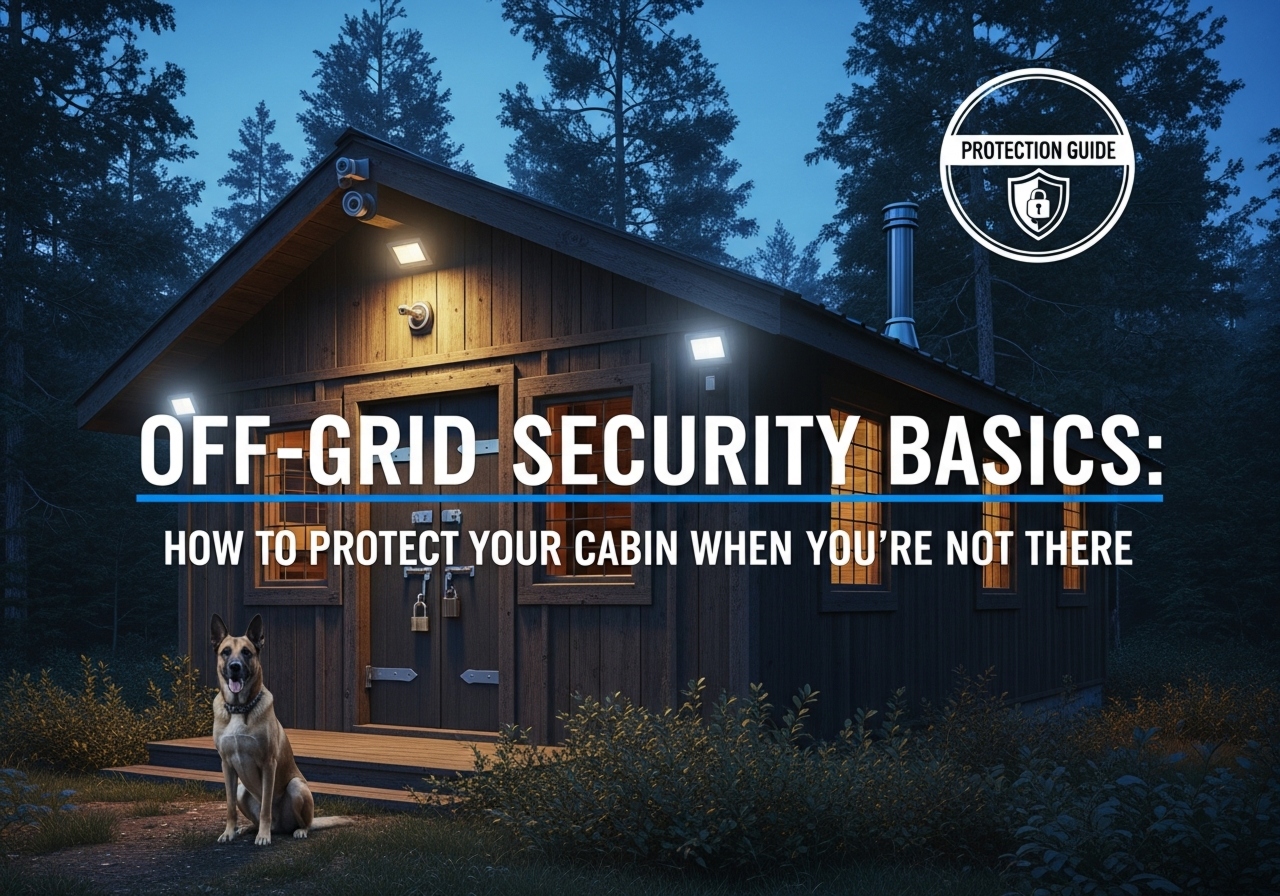
Have you ever wondered what it really takes to keep your remote cabin safe while you’re away for weeks or months at a time?
Off‑Grid Security Basics: How To Protect Your Cabin When You’re Not There
This article gives you a practical, step‑by‑step guide to securing your off‑grid cabin so it stays safe, functional, and ready when you return. You’ll get clear advice on physical security, surveillance, power and communications, seasonal adjustments, and how to prioritize investments based on risk and budget.
Why security matters for off‑grid cabins
Your cabin is more than a building; it’s an investment, a refuge, and sometimes a livelihood. Losing equipment, suffering vandalism, or experiencing an unnoticed environmental hazard can be costly and emotionally draining, so sensible security mitigates risk and preserves your peace of mind.
Unique challenges of off‑grid locations
Being off the grid typically means limited or no mains power, intermittent cell coverage, and greater isolation from emergency services. Those conditions force you to rely on self‑sufficient systems and planning to detect and respond to threats.
Common risks to off‑grid cabins
Risk factors include theft of fuel, tools, or electronics; vandalism; squatters; wild animal damage; fire; and weather‑related damage. Understanding the most likely risks for your property helps you target security measures where they’ll be most effective.
Assessing your property and threat profile
Before buying equipment, you should perform a thorough risk assessment so you know what to protect and how urgently. Spend time mapping out access points, visual corridors, and assets of value.
Mapping access and visibility
Walk your property and note roads, trails, footpaths, and sightlines. Identify areas that provide cover for would‑be intruders and spots where a camera or sensor would have unobstructed range.
Inventorying valuables and vulnerabilities
Make a list of items that would be attractive to thieves or critical to operations, such as fuel tanks, batteries, generators, tools, and appliances. Mark structural vulnerabilities too — broken locks, rotten thresholds, or weak window frames deserve early attention.
Physical security basics: doors, locks, and windows
Physical hardening of your cabin is the foundation of security; it reduces the chance of opportunistic entry and buys time if an intruder is present. You’ll want durable hardware and sensible installation choices to make unauthorized access inconvenient and noisy.
Doors and frames
Install solid core or metal exterior doors with reinforced frames and metal strike plates. Make sure frames are anchored with long screws or bolts into studs so the door can’t be kicked in easily.
Locks and deadbolts
Use a high‑quality deadbolt with at least a 1‑inch throw and a reinforced strike plate. Consider keyless options with robust tamper protection, but remember that mechanical locks don’t rely on power.
Windows and glazing protection
Install laminated or tempered glass in vulnerable windows, and consider window bars or grilles where aesthetics and local codes allow. Reinforce frames and add secondary latches or glass‑break sensors to catch forced entry attempts.
Perimeter deterrents: signage, fencing, and sightlines
A visible layer of deterrence reduces casual trespass and signals that the property is looked after. Well‑placed physical and visual barriers make your cabin less appealing as a target.
Fencing and gates
A fence doesn’t need to be impenetrable to be effective; it should clearly mark private property and guide traffic to predictable access points. Choose materials that fit your terrain and maintenance capacity, and ensure gates can be secured.
Security signage and lighting
Signage indicating private property, surveillance, or guard dogs can deter many would‑be trespassers. Combine signage with low‑maintenance lighting at access points to make the approach more visible at night without drawing unnecessary attention.
Maintaining sightlines
Trim brush and trees that conceal approaches and install mirror or camera coverage where natural sightlines are blocked. Clear sightlines help you and any sensors detect movement early and may discourage hiding.
Surveillance and detection systems
Surveillance serves two purposes: it detects events so you can act and it deters unwanted behavior. For off‑grid properties, prioritize solutions that use minimal power, have local recording capability, and can send alerts through the best available communications channel.
Camera types and placement
Use weatherproof IP cameras with infrared for night vision; place them at entry points, over fuel and equipment storage, and where trails meet the property. Position cameras high enough to avoid vandalism but angled for facial and license plate recognition where relevant.
Motion sensors and alarm options
Passive infrared (PIR) sensors are reliable, low‑power detectors for human movement and are good at minimizing false alarms from small animals. Combine motion sensors with an alarm system that records locally and can send alerts when a connection is available.
Audio sensors and glass‑break detection
Audio detection can pick up window breaks or forced entry sounds even if a camera isn’t focused on that spot. Glass‑break sensors work well on vulnerable windows and often require very little power.
Using drones and periodic aerial checks
If you’re comfortable operating them and they’re allowed locally, drones can perform quick aerial inspections to check for new tire tracks, footprints, or structural damage. Keep flights short and purposeful so battery life, privacy, and local regulations are respected.
Power considerations for security equipment
Your security tech will only work as long as it has power, so match equipment choices to your power budget and redundancy plans. Designing for efficiency and redundancy ensures monitoring stays online through extended absences or bad weather.
Low‑power equipment and sleep modes
Choose devices that support low‑power modes, scheduled wake cycles, and local event logging to reduce energy draw. Battery‑efficient cameras and sensors that only transmit on alarm conserve power and extend runtime between maintenance trips.
Solar panels, batteries, and charge controllers
A small solar array with a robust battery bank and a smart charge controller can keep cameras, sensors, and communications alive for months. Size the system with seasonal sun exposure in mind and include a load calculation so you know how long it’ll run without sun.
Power redundancy and manual overrides
Consider a small generator as a backup and hardwired options for critical systems so you can manually reset equipment when you return. Label circuits and provide a clear access protocol for anyone who might service the cabin when you’re away.
Communication options: alerts when you’re out of range
If you don’t have consistent cellular coverage, plan for alternative ways to receive alerts and trigger remote actions. Matching communications to your location and budget is crucial for timely information.
Cellular solutions and signal boosters
Cellular alarm modules and cameras with built‑in LTE work well where you have spotty coverage, while external cellular boosters increase signal strength for higher towers. Make sure data plans are appropriate for the amount of footage or telemetry you expect to send.
Satellite messaging and low‑bandwidth options
Satellite communicators offer high reliability in very remote areas but can be expensive for high‑bandwidth video streaming. Use satellite for text‑style alerts, event notifications, and GPS location pings, reserving video streaming for when you’re on site or have good cellular service.
RF and long‑range networking
Long‑range (LoRa) radios and other low‑power RF networks can link sensors across a property to a central hub that then uses cellular or satellite uplink. These systems are excellent for large properties because they drain less power than continuous cellular connections.
Remote monitoring, automation, and smart locks
You don’t need a full smart home to get benefit from automation; a few strategic devices will provide remote control over access and monitoring. Use automation carefully, prioritizing reliability and fallback behavior for when connections fail.
Smart locks and access control
Smart locks let you provide time‑limited access codes to contractors or neighbors and see who enters and when. Choose models that also accept physical keys and log events locally in case of communication loss.
Automated routine tasks
Automated lights or timed ventilation can make an empty cabin look occupied and reduce mildew risk when you’re away. Program them conservatively to avoid unnecessary power draw and to avoid looking too regular if you prefer less obvious occupation simulations.
Event‑based automation and alerts
Set rules so motion triggers a camera to record and a short alert is sent via your preferred channel. Keep alert rules tuned to avoid notification fatigue — you want to know about real incidents without being overwhelmed by everyday animal movement.
Fire detection and environmental hazard monitoring
Fire and weather can destroy a cabin rapidly, so early detection of smoke, heat, water intrusion, and structural stress is essential. Off‑grid monitoring solutions must be low power and should trigger both local alarms and remote notifications when possible.
Smoke and heat detection strategies
Use battery‑backed smoke detectors and heat sensors in high‑risk zones like kitchens, near woodstoves, and by electrical panels. Consider multi‑sensor detectors that reduce false alarms and pair them with a local audible alarm and a remote alert path.
Flood and water intrusion sensors
Place water sensors near sump pumps, foundations, and plumbing fixtures to catch leaks early. Even a small leak can compromise insulation and electrical systems; early notice can save expensive repairs.
Weather and temperature monitoring
Install sensors that report temperature extremes, freeze events, and wind gusts so you can take action to protect plumbing and loose exterior components. Alerts for sustained low temps let you check antifreeze systems, heat sources, or water line insulation.
Wildlife, pests, and non‑human threats
Animals can cause damage that appears like vandalism and can create health risks if they nest in cabins. Effective prevention is inexpensive compared to replacing chewed wiring or contaminated insulation.
Rodent and small mammal prevention
Seal gaps down to 1/4 inch where rodents can enter and use hardware cloth to block ventilation openings. Store food and attractants in metal containers and elevate fuel and food stores off the floor to reduce interest.
Large wildlife deterrents
Secure garbage and salt licks away from the cabin and use secure storage for propane and fuel to avoid attracting bears or deer. Motion‑activated lights and noise devices can deter curious animals but should be used sparingly and legally.
Pest‑proofing structures
Keep woodpiles away from foundations, maintain eaves and soffits to prevent bird nesting, and inspect the roof periodically for entry points. Routine maintenance reduces the number of plausible nesting and access sites.
Insurance, legalities, and local rules
You’ll want to ensure your insurance covers vacancy periods and off‑grid setups, and that your security measures comply with local regulations. Some areas have specific rules for fences, signs, and cameras that you must follow.
Insurance coverage for vacant or seasonal properties
Talk with your insurer about vacancy clauses, coverage limits for theft and vandalism, and requirements for security measures. Some policies require periodic checks or specific locks and alarms to maintain full coverage.
Privacy, permitting, and camera placement
Place cameras and sensors so you don’t capture neighboring properties or public roads in a way that breaches privacy regulations. Check local ordinances on fences, gates, and exterior lights to ensure compliance and avoid fines.
Legal response and authorized access
Make a plan and document who has authority to access the cabin in your absence. Provide contact info and written permission for neighbors or contractors to act in emergencies to avoid liability issues.
Maintenance, inspection schedule, and delegating visits
Security is an ongoing effort, and routine checks are the most effective tool for catching small problems early. Create a predictable maintenance calendar and, if possible, arrange for trusted people to visit on your behalf.
Monthly and seasonal checklist
A monthly visit should include camera lens cleaning, battery checks, fuel inspections, and site walkthroughs for new tracks or signs of intrusion. Seasonal checks should focus on weatherproofing, roof integrity, and adjusting solar arrays or heating systems.
(See the table below for a sample schedule summarizing suggested frequencies.)
| Item | Monthly | Quarterly | Annually | Notes |
|---|---|---|---|---|
| Walk perimeter for tracks/damage | ✓ | ✓ | Visual check for signs of intrusion | |
| Camera lens and sensor cleaning | ✓ | Keep optics clear for night vision | ||
| Battery voltage and charge test | ✓ | ✓ | For cameras, sensors, comms | |
| Solar array inspection | ✓ | ✓ | Clean, check mounting and wiring | |
| Roof and gutters | ✓ | ✓ | Clear debris before storms | |
| Door/window hardware check | ✓ | ✓ | Lubricate, tighten, replace as needed | |
| Fuel and generator test | ✓ | ✓ | Run monthly if feasible in cold climates | |
| Insurance and contact info review | ✓ | Ensure paperwork up to date |
Using neighbors, caretakers, and contractors
A local neighbor or caretaker can perform checks and handle urgent tasks you can’t do remotely. Make sure they have written authorization and clear instructions, and consider reimbursing or trading services for regular visits.
Documenting inspections and incidents
Keep a logbook or digital record of all checks, maintenance performed, and any incidents or unusual signs. Photos, timestamps, and a short description will help you and your insurer if you need to make a claim or evaluate long‑term patterns.
Budgeting and prioritizing security investments
You won’t implement everything at once, so prioritize based on likelihood of incidents, value at risk, and ease of implementation. Investing in cheap fixes like better locks and lighting often yields more ROI than a single expensive camera.
Cost vs. effectiveness table
The table below helps you see relative costs and effectiveness to guide decisions.
| Measure | Approx. Cost Range | Installation Difficulty | Effectiveness |
|---|---|---|---|
| Upgraded deadbolts and reinforced frames | $50–$300 | Low | High |
| Basic security cameras (battery/solar) | $100–$500 each | Low–Moderate | High |
| Cellular alarm module | $150–$400 | Moderate | High (with signal) |
| Small solar + battery bank | $500–$2,500 | Moderate | High (power reliability) |
| Fencing and gates | $300–$3,000+ | Moderate–High | Moderate |
| Satellite communicator | $300–$1,500 + service | Low–Moderate | High (remote alerts) |
| Professional security system install | $1,000–$5,000+ | High (pro) | High |
Phased implementation plan
Start with physical security and a basic monitoring system that won’t drain power. Add communications and redundancy next, then upscale surveillance and automation as budget and needs evolve.
Cost‑saving strategies
Buy durable, weatherproof gear that will last longer and require less maintenance, and use local labor for construction tasks when feasible. Reuse existing solar or battery infrastructure where possible to offset new device power needs.
DIY installation vs professional help
Some security upgrades are straightforward DIY projects, while others—especially electrical or structural work—are safer when done by professionals. Make objective judgments about your skills, permit requirements, and the consequences of a failed installation.
When to DIY
You can handle tasks like mounting cameras, installing basic solar panels, swapping locks, and sealing entry points if you’re comfortable with tools. Follow manufacturer instructions, use appropriate fasteners and sealants, and test thoroughly.
When to hire a pro
Hire professionals for major electrical wiring, rooftop solar arrays beyond a small kit, structural door reinforcement, and complex alarm integrations that interface with cellular or satellite systems. A proper installation protects warranties and reduces fire and liability risks.
Vetting contractors and service providers
Check references, request insurance and licensing documentation, and ask for clear written estimates before work begins. Provide contractors with a written scope and a map of the property to reduce misunderstandings.
Sample incident response plans
Having a step‑by‑step plan for different incidents reduces stress and improves your odds of a good outcome. Prepare simple, realistic responses for theft, fire, water intrusion, and structural damage.
Response to detected intrusion
If you receive an intrusion alert, first verify footage or sensor data to reduce false alarms. If verified, notify local law enforcement and a designated local contact, then avoid returning immediately to the property unless it’s safe or ordered by police.
Response to fire or smoke alert
If smoke detectors report a possible fire, confirm via camera feed when possible and contact emergency services. If fire services can’t respond quickly due to remoteness, authorize a trusted local contact to inspect safely if trained and equipped.
Response to severe weather damage
After a storm, check structural damage signs via camera and drone if available, and send photos to your insurer. Arrange temporary fixes—tarps, bracing—via authorized local help to prevent further damage until you can get there.
Seasonal and climate considerations
Security strategies change with seasons; for example, snow can hide tracks or create alternative entry points, while summer dryness increases fire risk. Plan for seasonal tasks like winterizing plumbing and checking ventilation to prevent longer‑term damage.
Winterizing for security and survival
Insulate exposed pipes, keep heat sources functional on timers, and ensure battery banks and solar arrays are positioned to capture as much sun as possible. Consider antifreeze solutions for appliances where full winter power is unrealistic.
Fire season precautions
Create defensible space by clearing brush and combustible materials within required distances around the cabin. Keep fuel and pellets in steel containers and away from ignition sources, and install ember‑resistant vents if in a wildfire zone.
Spring and fall maintenance
Spring is a good time to inspect for animal damage and roof leaks, while fall is ideal for checking heating systems and performing battery service. Seasonal work reduces the chances of unnoticed deterioration over inactive months.
Final checklist and quick reference
A succinct checklist helps you prepare for extended absences and ensures critical items aren’t overlooked. Use the items below before you leave for more than a week and make adjustments based on your property’s specific needs.
- Secure doors and windows; verify locks and deadbolts.
- Confirm camera/sensor batteries and solar charge status.
- Test communication modules and ensure data plans are active.
- Remove or secure valuables and fuel; lock tool storage.
- Notify a trusted local contact and provide written access and instructions.
- Set up scheduled lights and timers to simulate occupancy.
- Log inspection and maintenance tasks and leave clear instructions for visitors.
- Check and update insurance and emergency contact info.
Key takeaways and next steps
Protecting your cabin while you’re not there is a combination of solid physical measures, reliable low‑power monitoring, smart communication choices, and regular maintenance. Start with the most cost‑effective items — locks, visibility, and a basic camera or sensor — then add communication and redundancy as needed.
First steps you can take today
Walk your property to note vulnerabilities, upgrade the most obvious weak lock or broken window, and sign up for a reliable remote alert solution that matches your connectivity. Create a simple written plan for who will check the cabin and how often.
Long‑term approach
Aim for layered protection: making your cabin a harder target physically, adding detection to catch problems early, and ensuring you get reliable alerts even in sparse coverage. Periodically revisit your plan, update equipment, and adjust procedures as seasons and technology change.
If you want, I can generate a customized security plan for your specific property — tell me about your location, approximate size, power sources, and most valuable assets, and I’ll propose prioritized measures and estimated costs.