
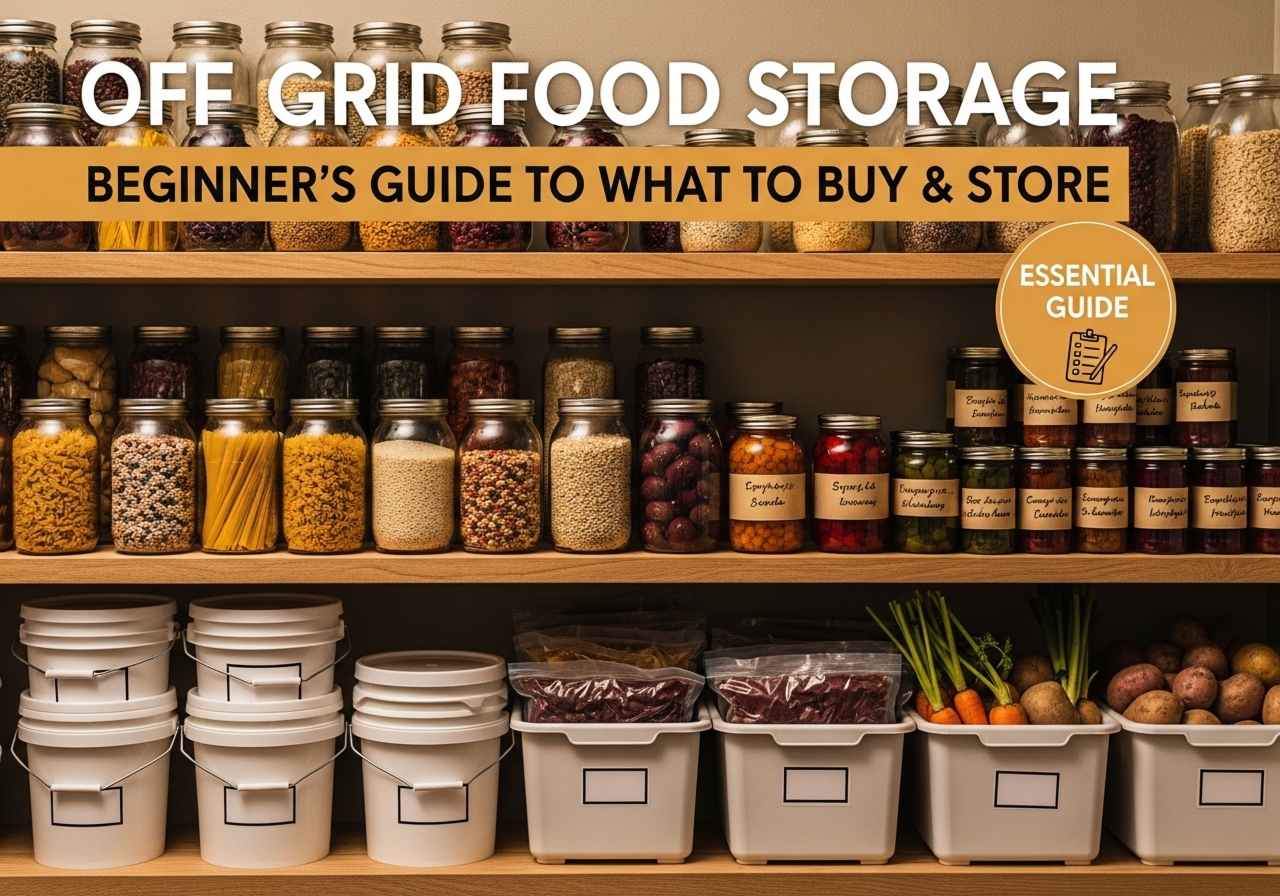
What would you do if your usual grocery supply disappeared for weeks or months?
Introduction
You’re thinking about going off-grid or simply want to be prepared for extended disruptions, and long-term food storage is one of the most important systems you can set up. This guide walks you through what to buy, how to store it, and how to maintain it so your food lasts safely and remains nutritious. You’ll get practical buying lists, packaging techniques, storage environment guidance, cooking and fuel options, rotation strategies, and safety tips.
Why long-term food storage matters
You’ll gain security and autonomy when you have a thoughtful long-term food supply. Properly stored food reduces stress, saves money over time, and ensures your family has balanced nutrition during outages or extended off-grid living.
How much food should you store?
Start with a plan based on calories, but see food variety and dietary needs as equally critical. Aim for at least 2,000–2,500 calories per person per day for general survival; adjust for activity level, age, and health. For planning convenience, consider 1 month, 3 months, 6 months, 1 year as milestones.
Daily calorie planning
You’ll want a baseline calorie goal per person and adjust for physical labor and special needs. For moderate activity, use 2,200–2,800 calories per adult per day; for high activity (hard labor), aim for 3,000+ calories.
Practical storage targets
Start with these rounded targets per person:
- 1 month: 60–85 pounds of staples plus canned/dry convenience items.
- 3 months: 180–260 pounds of staples.
- 1 year: 700–1,000+ pounds of a balanced mix (grains, legumes, fats, sugars, canned goods, powdered milk).
These are guidelines; your exact quantities will depend on calorie density and the mix of foods you choose.
Essential food categories and why they matter
You’ll want a variety of foods that cover calories, protein, fats, vitamins, and minerals. Below are the key categories and examples.
Grains and starches
Grains form the calorie backbone of your stockpile. Buy wheat (berries), rice (white—longer shelf life), oats, cornmeal, and pasta. Whole grains have more nutrients but shorter shelf life; storing wheat berries lets you mill flour as needed.
Legumes and protein sources
Lentils, dried beans (pinto, navy, black), split peas, and chickpeas are compact protein sources. Canned meats, freeze-dried meats, and shelf-stable jerky add variety and immediate protein.
Dairy and protein powders
Powdered milk, powdered eggs, and whey or soy protein powders provide concentrated protein and easy reconstitution for cooking and baking.
Fats and oils
You’ll need cooking fats: shelf-stable tallow, lard, ghee (clarified butter), and stable vegetable oils (coconut oil stores longer than many oils). Store oils in cool, dark places and rotate frequently.
Sugars and sweeteners
White sugar, brown sugar, honey, and maple syrup are long-lasting calorie sources. Honey is essentially indefinite if stored properly.
Canned and preserved foods
Canned vegetables, fruits, soups, and meats provide ready-to-eat options. Home-canned goods are economical, but learn safe canning practices.
Dehydrated and freeze-dried foods
These provide excellent long-term storage with minimal weight and fast rehydration. Freeze-dried meals (commercial) can last decades in sealed packaging.
Baking supplies and seasonings
Yeast, baking powder, salt, spices, and honey are essentials for everyday cooking. Yeast is perishable; store yeast in the refrigerator or freeze it for longer life.
Fresh-priority and perennial items
Potatoes, onions, garlic, and root vegetables stored in a root cellar or cool area can last months. Sprouting seeds and growing micro-greens extend fresh produce options.
Suggested shopping lists and sample quantities
Below are simplified sample lists for a single adult for 1 month, 3 months, and 1 year. Adjust for household size and caloric needs.
1-month sample shopping list (per person)
- White rice: 15–20 lb
- Wheat berries or flour: 5–10 lb
- Dried beans/legumes: 8–12 lb
- Rolled oats: 4–6 lb
- Sugar (white/brown): 5–10 lb
- Salt: 2–3 lb
- Powdered milk: 3–5 lb
- Cooking oil (coconut/ghee): 1–2 gal or equivalent
- Canned vegetables/fruit: 12–20 cans
- Canned meats: 6–12 cans
- Dehydrated vegetables/fruit: 2–4 lb
- Spices & baking supplies: modest amounts
- Coffee/tea: as desired
3-month sample shopping list (per person)
Multiply many staples by 3–4 and add more variety: 40–60 lb rice, 20–30 lb wheat, 20–30 lb beans, 12–18 lb oats, 15–25 lb sugar, 6–10 lb salt, 10–15 lb powdered milk, 4–6 gal oils, 60–90 cans combined.
1-year sample planning notes (per person)
Aim for the following approximate totals:
- Rice/other grains: 250–300 lb
- Wheat berries/flour: 200–250 lb
- Beans/legumes: 100–150 lb
- Sugar/honey: 50–75 lb
- Salt: 20–30 lb
- Oils/fats: 10–20 gal (rotate)
- Powdered milk: 50–80 lb
- Canned goods and freeze-dried meals to provide variety and quick meals: 200–400 cans/pouches
These numbers will vary depending on whether you can grow/hunt/fish additional food.
Storage packaging options and lifespans
The way you package foods has a big impact on shelf life. The following table summarizes common packaging and typical shelf-life ranges when stored properly.
| Packaging method | Typical foods | Typical shelf life (at 50–70°F, dry) | Notes |
|---|---|---|---|
| Mylar bags + oxygen absorbers (inside bucket) | Rice, wheat, legumes, powdered milk | 10–30 years for many dried goods | Keep moisture out; use food-grade Mylar & correct OAs |
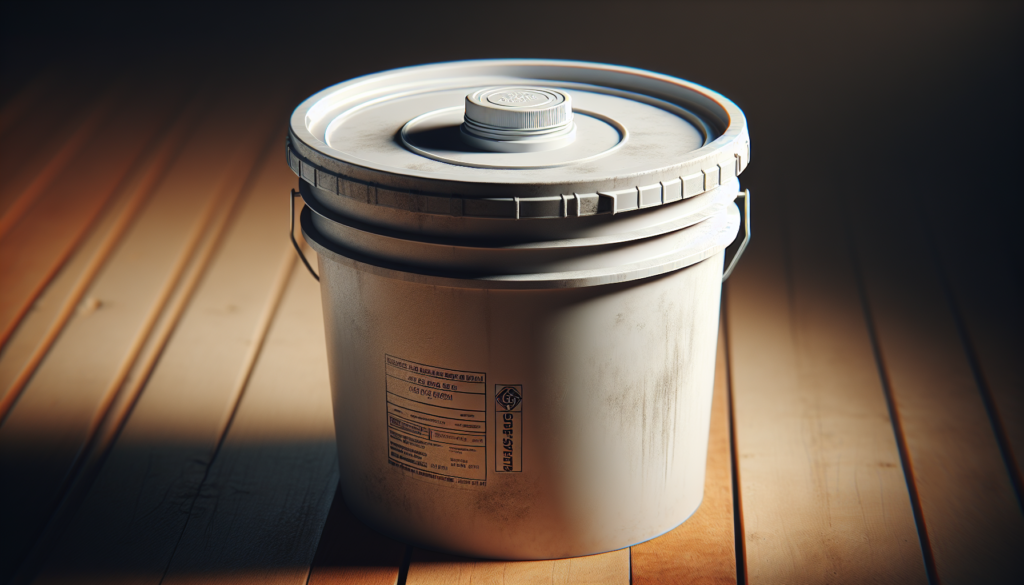
| Food-grade 5-gal buckets + gamma lids | Bulk staples (Mylar inside) | Same as Mylar inside; buckets add protection | Keeps out rodents, light; stackable |
| Mason jars (vacuum sealed) | Dried herbs, dehydrated foods, flour (short-term) | 1–5 years (depends on food) | Good for small batches and reuse |
| Vacuum sealers (bags) | Dried foods, freeze-dried | 1–5+ years for low-moisture foods | Not as good as Mylar for long-term on oxygen exclusion |
| Canned goods (commercial) | Ready meals, meat, veggies | 2–5 years typical, some 10+ years if high-quality | Rotate; high heat-resistant cans better |
| Freeze-dried pouches (commercial) | Complete meals, fruits, veggies | 15–25+ years | Premium shelf life; expensive |
| Dehydration in jars/bags | Fruits, vegetables, jerky | 6 months–2 years | Control moisture; store with desiccants |
Containers and storage setup
You’ll want durable, rodent-proof containers and a well-organized storage area.
Container types and pros/cons
| Container | Pros | Cons |
|---|---|---|
| 5-gallon food-grade bucket with gamma lid | Durable, stackable, rodent-proof | Bulky; needs Mylar bags inside for best life |
| Mylar bag (with oxygen absorber) | Lightweight, long shelf life | Must be sealed correctly; punctures risk |
| Mason jars | Reusable, visible contents | Heavy; lids can corrode over decades |
| Metal cans/drums | Very durable, rodent-proof | Expensive, heavy |
| Plastic totes (non-food-grade) | Cheap and stackable | Not suitable for direct food contact long-term |
Setting up your storage area
You’ll want a cool, dry, dark, and well-ventilated space. Avoid attics and garage spaces that experience large temperature swings. Ideal storage temperature is 50–70°F (10–21°C); lower is better for longevity. Keep humidity under 50% to prevent mold and insect development.
Mylar bags and oxygen absorbers: a practical how-to
You’ll often use Mylar bags with oxygen absorbers inside a food-grade bucket for long-term dry goods.
- Clean the bucket and use a new food-grade bucket and lid (gamma lid is handy).
- Use high-barrier Mylar bags (4–7 mil thickness).
- Measure the food moisture content: foods must be thoroughly dry (low moisture).
- Insert appropriate oxygen absorber size for bag volume; common sizes: 300cc to 2000cc depending on volume.
- Seal Mylar properly with a heat sealer or an iron on a foil-proof surface.
- Label with date and contents.
- Store in a cool, dark place.
Note: Do not use oxygen absorbers with foods that have significant moisture or fats that can go rancid; oxygen absorbers remove oxygen but don’t decrease moisture.
Canning and water-bath vs pressure canning
Canning is essential for many home-preserved goods. You’ll need to know which method is safe for each food.
Water-bath canning
You’ll use a boiling water bath for high-acid foods: fruits, pickles, jams, and jellies. You’ll get shelf-stable products for months to years if processed correctly.
Pressure canning
Low-acid foods (vegetables, meats, soups) require pressure canning to reach temperatures high enough to prevent botulism spores from surviving. Never attempt to pressure-can low-acid foods without a proper pressure canner and current canning guidelines.
Always follow tested recipes and guidelines from reputable sources (e.g., USDA or extension services) to avoid foodborne illness.
Dehydrating and freeze-drying
You’ll use dehydration for many vegetables, fruits, and meats. Freeze-drying (commercial or home machines) retains more nutrients and texture but is more expensive.
- Dehydrated foods require low final moisture (around 10–20% depending on food) and proper packaging.
- Freeze-dried foods are lightweight and rehydrate quickly; they’re excellent for long-term survival kits.
Oils, fats, and fats storage
Fats often limit shelf life in your stockpile because they go rancid. Use these strategies:
- Store fats in cool, dark conditions.
- Use hydrogenated or shelf-stable fats (ghee, tallow) that last longer.
- Rotate oils regularly; buy smaller containers if temperature control is difficult.
- Consider powdered oils/fat supplements for long-term stowage.
Water storage and purification
You’ll need both stored water and methods to purify additional sources.
How much water
Store a minimum of 1 gallon per person per day for drinking and basic hygiene for short-term needs; for long-term planning, aim for 3–5 gallons per person per day for cooking, sanitation, and minimal hygiene.
Containers and treatment
Use food-grade water storage containers. For long-term storage, sterilize containers, fill with potable water, and add household bleach (unscented) at recommended concentrations, or use water preserver products. Replace or rotate stored water every 6–12 months unless treated appropriately. Have filtration (ceramic, carbon, gravity) and chemical or UV purification as backup.
Off-grid cooking and fuel considerations
You’ll plan not only food but how to cook it without grid electricity.
Cooking fuel options
- Propane: easy to use; store tanks outdoors; have safe ventilation.
- Wood stove: excellent if you have sustainable wood supply; needs stove and chimney.
- Rocket stove/camp stoves: fuel-efficient and suitable for small meals.
- Solar oven: no fuel but slower cooking and dependent on sunlight.
- Alcohol or pellet stoves: useful backup but need fuel stock.
Store fuel safely and in appropriate containers; consider a variety to match different conditions.
Energy-saving cooking tips
You’ll want to batch-cook, use Dutch ovens, use heat retention cooking (haybox/insulation), and use pressure cookers to save fuel and time.
Preventing pests and spoilage
Pests (rodents, insects) and mold are major enemies of long-term storage.
Prevention strategies
- Use food-grade buckets with tight lids and Mylar bags.
- Keep food elevated off the floor and away from walls.
- Maintain cleanliness and avoid food spills.
- Use diatomaceous earth (food-grade) around storage perimeters for insect control.
- Use airtight metal cans or glass jars for small items.
- Inspect monthly and rotate if needed.
Signs of infestation or spoilage
Look for chew marks, dust/droppings, unusual odors, discoloration, sticky residues, or bulging canned lids. Discard suspect foods.
Nutritional balance and supplements
You’ll need more than calories: vitamins and minerals matter.
- Dried fruits, powdered greens, and freeze-dried vegetables help maintain micronutrients.
- Vitamin C degrades in stored foods; consider vitamin C supplements or preserved high-acid foods like canned tomatoes and citrus when available.
- Salt, iodized salt (for iodine), and multivitamins can fill nutritional gaps.
- If you have children, pregnant people, or elderly relatives, plan for their special dietary needs and medications.
Sprouting, fermenting, and growing for fresh food
You’ll want ways to get fresh nutrients.
- Sprouting seeds (alfalfa, mung beans) produces fresh greens in a few days with minimal resources.
- Fermentation (sauerkraut, kimchi) preserves food and increases probiotic value.
- Small greenhouse or container gardening and root cellars extend fresh produce availability.
Labeling and inventory management
You’ll avoid waste and confusion with proper labeling and inventory.
- Label each container with contents and packing date using permanent markers or adhesive labels.
- Keep an inventory spreadsheet (paper or digital) with quantities, purchase dates, and planned rotation dates.
- Follow FIFO (first in, first out) when using stored foods.
Rotation: use it or lose it
Rotation is key to keeping food edible and nutritionally useful.
- Rotate shorter-life items into daily use: oils, canned goods, powdered milk.
- Replace items from storage as you use them and restock when convenient.
- Schedule seasonal checks (every 3–6 months) for moisture, pests, and integrity.
Safety and legal considerations
You’ll handle fuels and canning safely.
- Follow pressure canner guides to avoid botulism.
- Store fuels away from living areas and be aware of local codes for propane tanks and fuel storage.
- Keep a fire extinguisher in your cooking area and understand basic first aid for burns and cuts.
Budgeting and buying strategies
You’ll build your stock gradually to spread cost and avoid sticker shock.
- Buy bulk staples during sales from bulk-food stores or co-ops.
- Compare online suppliers for freeze-dried meals and bulk grains.
- Consider buying a small amount each month to build a year’s supply over time.
- Learn to preserve harvested garden produce to reduce reliance on purchased goods.
Special items and extras to consider
These extras provide comfort and nutrient variety:
- Comfort foods: chocolate, coffee, spices, hard candy.
- Baby formula and diapers if needed.
- Pet food: store a reasonable supply for pets.
- Seeds for planting: store certified seeds in cool, dry conditions.
- Baking yeast, powdered cheese, and shelf-stable condiments.
Sample one-year simplified pantry (per adult) — condensed table
This table gives a high-level view of a one-year food mix per adult. Adjust by household needs.
| Category | Approximate amount per year |
|---|---|
| Rice & corn | 250–300 lb |
| Wheat (berries) | 150–250 lb |
| Beans & legumes | 100–150 lb |
| Oats & breakfast grains | 40–60 lb |
| Sugar/honey | 40–80 lb |
| Salt | 20–30 lb |
| Powdered milk & dairy powders | 40–80 lb |
| Cooking fats/oils | 10–20 gal |
| Canned goods (mix) | 200–400 cans/pouches |
| Freeze-dried meals/snacks | 50–200 pouches (optional) |
| Spices & baking supplies | reasonable quantities |
| Water reserves | 365+ gallons minimum (1 gal/day) |
Step-by-step plan to start building your supply
You’ll want a staged approach:
- Set a realistic budget and storage space.
- Start with water and 2-week food supply of shelf-stable meals.
- Build to 1 month focusing on grains, beans, canned items.
- Add longer-term packaging (Mylar + oxygen absorbers) and bulk containers.
- Learn canning and preservation methods.
- Expand to 3–6 months, then 1 year, rotating as you go.
Common mistakes to avoid
You’ll avoid costly errors if you:
- Store perishable fats and oils at room temperature indefinitely without rotation.
- Keep food in light-exposed or humid conditions.
- Ignore pest-proofing.
- Rely solely on canned goods with little variety—micronutrient deficiencies can result.
- Attempt unsafe canning without proper equipment or tested recipes.
Final practical tips
- Start small and build steadily; you don’t need to buy everything at once.
- Prioritize water, calories, and a few preserved protein sources first.
- Keep flavoring and comfort foods—they’re important for morale.
- Learn basic off-grid cooking techniques before you need them.
- Practice using your stored foods—cook with them, rotate, and refine your menu.
Conclusion
You’ll gain resilience and peace of mind by planning and assembling a long-term off-grid food supply. Focus on a balanced mix of calories, protein, fats, vitamins, and practical cooking/fuel systems. Use proper packaging and storage techniques, maintain inventory and rotation, and adapt your plan to local climate and family needs. If you begin step-by-step and learn the preservation skills along the way, you’ll build a reliable pantry that supports you through extended off-grid living or emergency situations.