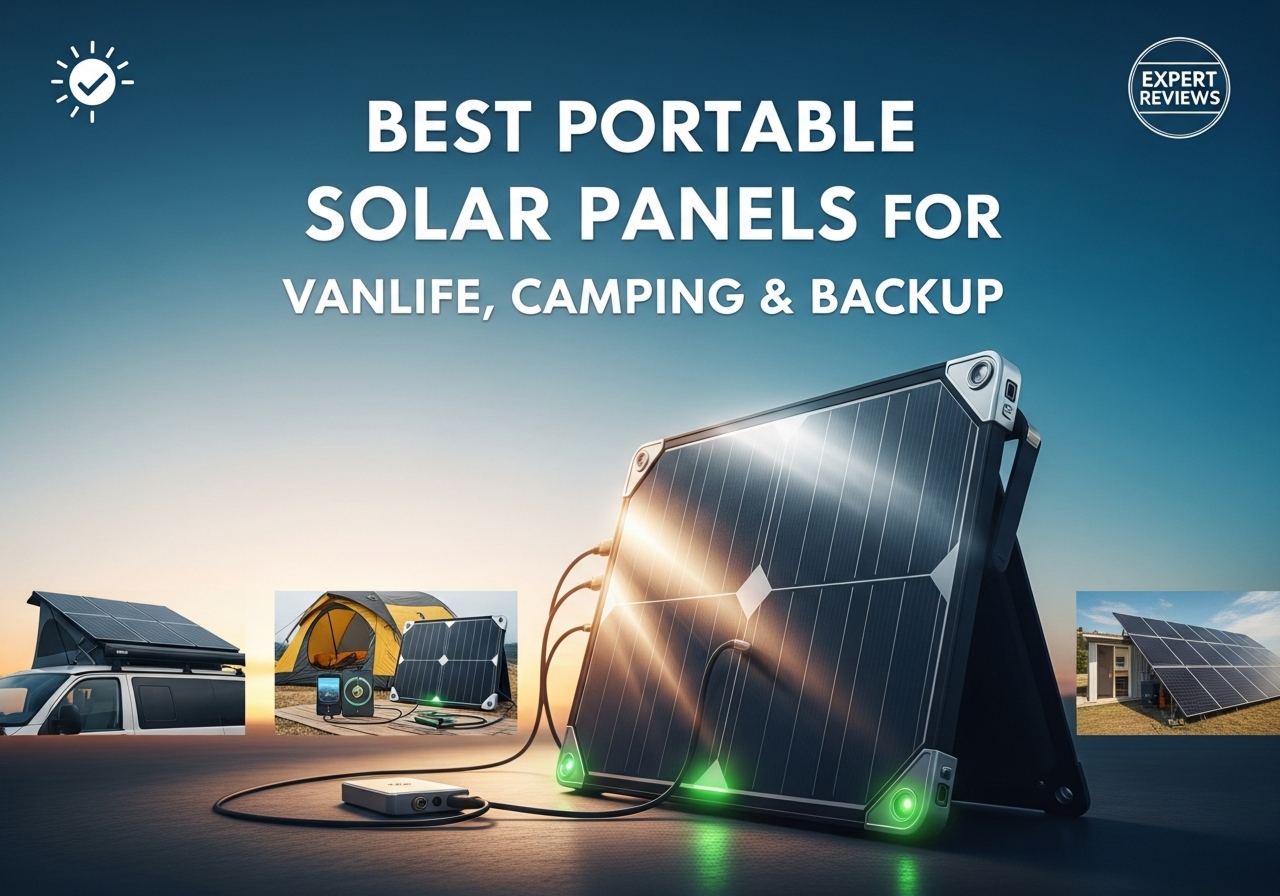
Looking for the best portable solar panels to keep your van, campsite, or home backup system powered reliably?
Best Portable Solar Panels For Vanlife, Camping, And Emergency Backup
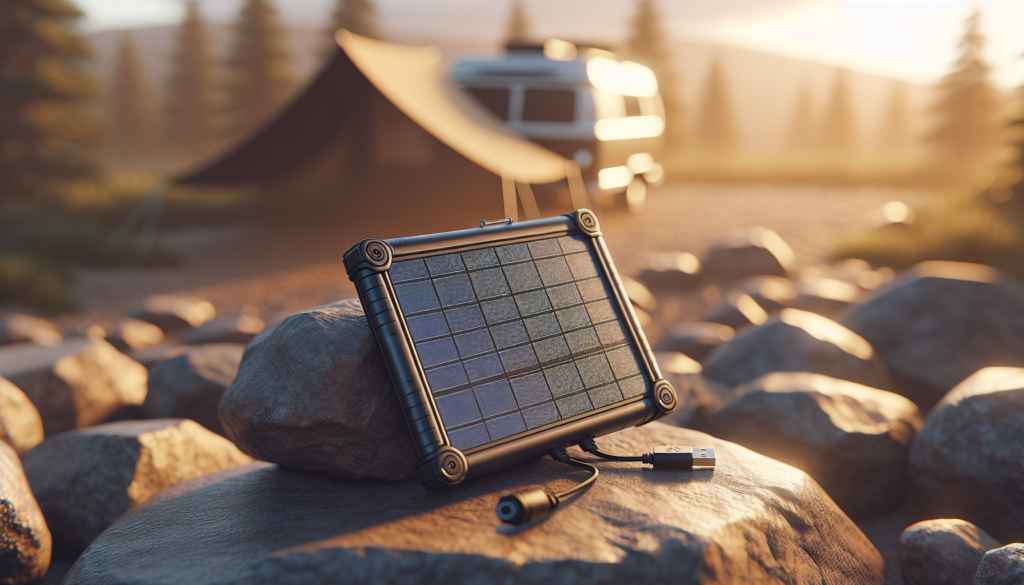
Why portable solar panels matter for vanlife, camping, and emergencies
You need power when you’re away from the grid, and portable solar panels give you a lightweight, flexible way to harvest energy from sunlight. Whether you want to run a fridge in your van, charge devices on a weekend trip, or keep essential circuits working during a power outage, the right portable panel can make all the difference.
How portable solar panels differ from fixed roof systems
Portable panels are designed to be moved, repositioned, and stored when not in use, which gives you flexibility and better sun tracking. Fixed roof systems are more permanent and often produce more consistent power, but they lack portability and can be harder to install or remove quickly.
Who benefits most from portable solar panels
You’ll especially benefit if you move frequently, camp in varying locations, or need a system that doubles for emergency backup at home. Portability also helps if you have shading issues — you can simply place panels in direct sun while your vehicle stays in the shade.
Key technical terms you should know
Understanding basic terms will help you compare panels and design your system. Here are the essentials: wattage, VOC (open-circuit voltage), Vmp (voltage at max power), Imp (current at max power), MPPT vs PWM charge controllers, and panel efficiency. Knowing these will keep your system safe and efficient.
Wattage and energy output
Wattage tells you the maximum power a panel can produce under ideal sunlight. Your real-world energy depends on sun hours, angle, temperature, and shading. You’ll want to estimate daily watt-hours to match your battery storage and consumption.
Panel types: monocrystalline, polycrystalline, thin-film, and flexible
Monocrystalline panels have the highest efficiency and a sleek dark look, making them popular for vanlife and camping when space is limited. Polycrystalline panels are usually cheaper but slightly less efficient. Thin-film and flexible panels are lightweight and can conform to curved surfaces, but they generally produce less power per area and may degrade faster.
Charge controllers: MPPT vs PWM
MPPT (Maximum Power Point Tracking) controllers extract more power by matching the panel’s best operating voltage to the battery’s needs. PWM (Pulse Width Modulation) controllers are simpler and less expensive but less efficient, especially when panel voltage is much higher than battery voltage. For most modern portable setups, MPPT provides the best performance for your investment.
How to choose the right panel size and wattage for your needs
Sizing your solar depends on your daily energy usage (watt-hours) and available sun hours. First, calculate how many watt-hours you use per day by adding device consumption. Then choose a panel or panels that produce at least that amount on average, factoring in inefficiencies and cloudy days.
Estimating daily energy needs
List devices you’ll run, estimate hours of use per day, and multiply watts by hours to get watt-hours. For example, a 60 W fridge running for 12 hours uses 720 Wh per day. Add lights, phone charging, and other devices to get your daily total.
Converting sun hours to useful energy
Peak sun hours vary by location and season. Multiply panel wattage by average peak sun hours to estimate daily energy. For instance, a 200 W panel in 4 hours of peak sun produces roughly 800 Wh before losses. Apply a 70–85% system efficiency to account for charge controller, cabling, and battery losses.
How to factor in inefficiencies and losses
Expect conversion and storage losses from 10% to 30% depending on your gear. MPPT controllers reduce losses compared to PWM. Older batteries or long runs of thin cable will introduce additional losses, so always add a safety margin when sizing a system.
Portable panel types and their best uses
Each style fits different preferences and constraints. Knowing the pros and cons helps you choose the right panel for your setup and lifestyle.
Folding suitcase panels
Folding panels are compact, often with built-in stands and protective case. They’re easy to carry and set up, making them ideal for weekend campers and van owners who want to park and point panels toward the sun. They usually include MC4 or Anderson outputs for charging controllers.
Foldable thin, flexible panels
Flexible panels conform to curved surfaces and are great for temporary adhesion or roof placement where weight matters. You’ll like them if you want a low-profile option that can be stick-mounted or packed in a vehicle without rigid structure. They can be more fragile and less efficient per square foot.
Rigid, portable monocrystalline panels
Rigid portable panels are durable and efficient. They’re better for long-term daily use, such as full-time vanlife or serious emergency preparedness. They may be heavier and bulkier but often provide the best power-to-size ratio.
Solar blankets and ultralight panels
Solar blankets are ultra-portable and usually lightweight, perfect for hikers or ultralight campers. They sacrifice power and durability for weight savings, so they’re best for charging small electronics rather than powering appliances.
Top portable solar panels (recommendations and comparison)
Below is a comparative table summarizing popular and highly rated portable solar panels suited for vanlife, camping, and emergency backup. This table focuses on real-world specs to help you pick the right option quickly.
| Model (Example) | Type | Wattage | Weight | Folded Size (approx.) | Outputs | Best for |
|---|---|---|---|---|---|---|
| Goal Zero Nomad 200 | Folding monocrystalline | 200 W | ~10–12 lb | 24″ x 30″ folded | MC4 / USB on some models | Vanlife, weekend camping |
| Jackery SolarSaga 200 | Folding monocrystalline | 200 W | ~11 lb | 28″ x 22″ folded | MC4 / vehicle adapter | Camping, van rooftop |
| Renogy 200W Portable Kit | Folding rigid | 200 W | ~18–22 lb | 40″ x 21″ folded | MC4 / alligator clips | Vanlife, emergency backup |
| ALLPOWERS 200W Foldable | Flexible/folding | 200 W | ~10–13 lb | 26″ x 18″ folded | Anderson / MC4 / USB | Off-grid charging, portable setups |
| EcoFlow 110W Foldable | Portable monocrystalline | 110 W | ~8–9 lb | 22″ x 17″ folded | USB-A/C + MC4 | Power stations, phones, laptops |
| Anker 625 (200W) | Folding monocrystalline | 200 W | ~11 lb | Compact fold | USB-C/USB-A/AC in some combos | Direct charging, travel |
| Big rigid panel 100–200W | Rigid monocrystalline | 100–200 W | 12–30 lb | Rigid sheet | MC4 | Permanent portable, roof mount |
Note: We used representative model types rather than an exhaustive brand list. Specs vary by SKU and production year. Always check exact manufacturer specs before purchase.
Matching panels to power stations and batteries
You’ll usually pair portable panels with a battery or power station for energy storage. Knowing how to match the panel to the battery keeps your system efficient and safe.
Charging small power stations (200–1000 Wh)
If you have a small power station, check its solar input specs (max wattage and voltage). Many accept 60–200 W. Use a panel or array that doesn’t exceed the station’s max solar input, or the station’s internal MPPT may limit throughput.
Charging deep-cycle batteries (AGM, flooded, LiFePO4)
For vanlife or home backup, you’ll likely use a 12 V or 24 V battery bank. Use a proper MPPT charge controller sized for the panel array’s max voltage and current. For lead-acid types, set charging profiles accordingly; LiFePO4 requires specific charging voltages and cutoffs.
Using an inverter
If you want AC power, pair your battery with a pure-sine inverter sized for your peak loads. Small inverters (300–1000 W) work for lights and small appliances. For high-draw devices like microwaves or AC units, you’ll need a much larger inverter and proportional battery bank and panel array.
Installation and mounting options for portable panels
You’ll choose mounting based on how you plan to use the panels. Portable systems often use quick-connect options and temporary mounts to simplify setup.
Ground setup with kickstand or leg stand
Place folding panels on the ground using built-in stands to angle the panels toward the sun. This gives you flexibility to avoid shading and is common for camping. Use a stable, wind-resistant support and secure panels when necessary.
Roof placement (temporary suction or permanent mount)
Some portable users temporarily place panels on a van roof with suction mounts or Velcro. Permanent roof racks and Z-brackets are better for long-term daily use. Adhesive mounts are low-profile but may require careful surface prep and attention to adhesive compatibility.
Backpack and bag setups for ultralight trips
Smaller solar blankets and foldables can be strapped to backpacks to charge devices as you move. Expect slower charging and limited output, but this is useful for extended hikes where weight is critical.
Quick-connect cables and MC4s
MC4 connectors, Anderson plugs, and cigarette lighter adapters are common. Always use high-quality cables sized for your current to reduce voltage drop. Use proper waterproof connectors for outdoor use.
Wiring, fuses, and safety basics
Safe wiring keeps you from damaging gear or causing a fire. Use fuses on positive lines, install a disconnect, and keep cable runs short and properly gauged. Understand the panel’s open-circuit voltage and never connect panels directly to a battery without a charge controller.
Fusing and circuit protection
Place a fuse or breaker between the panel and the charge controller sized slightly above the panel’s max current. Place another fuse between the battery and inverter. This prevents short circuits from causing damage or fires.
Disconnects and blocking diodes
Install a switch or disconnect to isolate the panel or battery when servicing the system. Most modern charge controllers include blocking diodes, but verify your setup to avoid backfeed at night.
Temperature and ventilation
Batteries and some charge controllers need ventilation and should avoid extreme temperatures. Lithium batteries prefer mild temperatures; charging LiFePO4 in freezing conditions can damage them without specific low-temperature protections.
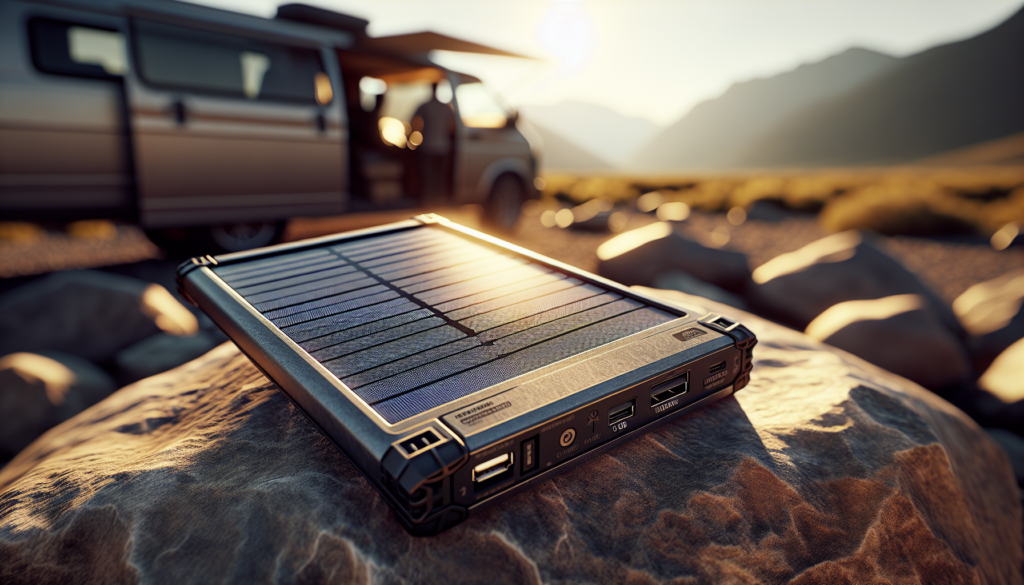
Practical setup examples and sample systems
Here are real-world examples so you can see how panel choice fits different needs.
Weekend camper — light power (~200–400 Wh/day)
You’ll likely go with one 100–200 W folding panel and a 300–600 Wh power station or a 100 Ah lead-acid / 50–100 Ah LiFePO4 battery. This setup runs lights, charges phones, and powers a small fridge for short periods. Use MPPT for better charging when sun conditions are variable.
Vanlife part-timer — moderate power (~1000–2000 Wh/day)
Two 200 W folding panels or a roof-mounted 400 W array with a 200–400 Ah battery bank will serve you well. Use an MPPT charge controller, an inverter sized for occasional AC loads, and a battery monitor to manage state of charge.
Full-time vanlife — high power (2000+ Wh/day)
You’ll want 400–800 W of panels, MPPT controllers, a large LiFePO4 battery bank, and a beefy inverter. Rigid panels on the roof with additional portable panels for sun tracking give the best production. Add DC-DC charging from the alternator when driving for faster battery recovery.
Emergency home backup — critical loads
Use portable panels as a temporary input to a home battery or power station that can support critical circuits: fridge, a few lights, communications equipment, and medical devices. Size panels to produce enough to run essential circuits for multiple days or to top up the battery after grid outages.
Charging time calculations and examples
You’ll want to estimate how long panel arrays will take to charge your battery or run your loads.
Simple charging time formula
Charging time (hours) = Battery usable capacity (Wh) / Panel output (W × peak sun hours × system efficiency). Example: a 1000 Wh usable battery, a 200 W panel, 4 peak sun hours, and 80% efficiency → 1000 / (200 × 4 × 0.8) ≈ 1.56 days of solar (approx. 15.6 hours of sun spread over multiple days).
Real-world example
If you have a 400 Wh fridge running 12 hours (720 Wh), and a 200 W panel in 5 peak sun hours, panel output ≈ 200 × 5 × 0.8 = 800 Wh/day. That covers the fridge and gives a small buffer for other loads.
Pros and cons of popular portable panel technologies
Make a choice based on trade-offs you can live with. Below is a quick breakdown.
Monocrystalline
Pros: High efficiency, best power-to-size, long lifespan. Cons: Higher cost, rigid panels can be heavy.
Polycrystalline
Pros: Lower cost than mono, decent performance. Cons: Slightly larger and less efficient per area.
Thin-film / Flexible
Pros: Lightweight, bendable, low-profile. Cons: Lower efficiency, more fragile, higher degradation.
Foldable suitcase style
Pros: Durable, easy to set up, protective case. Cons: Bulkier and heavier than ultralight options.
Maintenance and care to extend life
Keeping panels clean and well-stored improves performance and lifespan. Regular checks prevent slow failures.
Cleaning and inspection
Wipe off dirt, bird droppings, and salt with mild soap and water. Inspect for delamination, broken cells, or cracked glass. Flexible panels may require gentler care to avoid creasing.
Storage and packing
Store in a dry, temperature-stable place. Foldable panels should be stored unfolded as little as possible if they have rigid backs; use the included case when available. Avoid sharp bends for flexible panels.
Handling and transport
Protect connectors and avoid tugging on cables. Secure panels during transport to prevent rattling or impacts. Use pannier straps or protective padding for rigid panels.
Budgeting and price ranges
Prices vary widely depending on wattage, brand, and features. Here’s a rough guide:
- Small solar blankets and ultralight panels (10–60 W): $50–200
- Mid-range folding panels (100–200 W): $200–800
- Premium portable solar kits (200–400 W with charge controller or accessories): $600–2,000
- Full system components (MPPT controllers, batteries, inverters): add $300–3000+ depending on capacity
Factor in cables, mounting hardware, fuses, and possibly a battery or power station when budgeting.
Accessories you’ll want
Good accessories increase safety and usability. These items are commonly overlooked but essential for a smooth system.
- MPPT charge controller (unless built into a power station)
- Proper gauge solar cable and quality connectors (MC4, Anderson)
- In-line fuse or breaker sized to panel current
- Battery monitor and shunt for larger systems
- Mounting hardware (Z-brackets, suction mounts, Velcro or adhesive)
- Carry case, straps, and storage protection
- Ground stake or sandbags for windy conditions
Safety and legal considerations
Follow local vehicle and campsite regulations for mounted panels, especially when installing rigid panels on a vehicle roof. Avoid blocking ventilation or escape hatches when mounting on vans. For home emergency backup, check local electrical codes and use a licensed electrician for grid-interactive systems.
Frequently asked questions (FAQ)
Here are answers to common questions you’ll likely have when choosing portable solar panels.
Can you run a fridge off a portable panel?
You can run a small 12 V fridge with enough panel wattage and battery capacity. You’ll need to calculate continuous draw and ensure your battery and panels produce and store enough energy for overnight operation.
How many panels do I need for a weekend trip?
For basic phone charging, lights, and a small fridge, one 100–200 W panel typically covers a weekend. Add more panels or a larger battery for longer stays or higher power devices.
Are flexible panels worth it?
Flexible panels are great if you must reduce weight or conform to curved surfaces. For maximum long-term energy per square foot, rigid monocrystalline panels often perform better and last longer.
Is an MPPT controller necessary?
MPPT controllers are highly recommended if you want optimum efficiency, particularly when your panel voltage is higher than battery voltage or when conditions are variable.
Final checklist before you buy
Make sure you’ve covered these items before purchasing:
- Clear estimate of daily watt-hour needs
- Battery type and capacity chosen (or power station specs)
- Panel compatibility with charge controller and battery
- Proper cables, fuses, and connectors included or available
- Plan for mounting and storage
- Weight and space constraints for vehicle or pack
Closing guidance
When selecting a portable solar panel for vanlife, camping, or emergency backup, think about how you’ll use it most: mobility and lightweight for short trips, robustness and power for daily off-grid living, or compatibility and quick deployment for emergencies. You’ll get the best results by matching realistic daily energy needs to panel output and factoring in losses with an MPPT controller and a properly sized battery. Regular maintenance and safe wiring practices will keep your system reliable for years.
If you want, you can tell me your typical devices and daily hours of use and I’ll help you calculate a suggested panel and battery setup customized to your needs.