
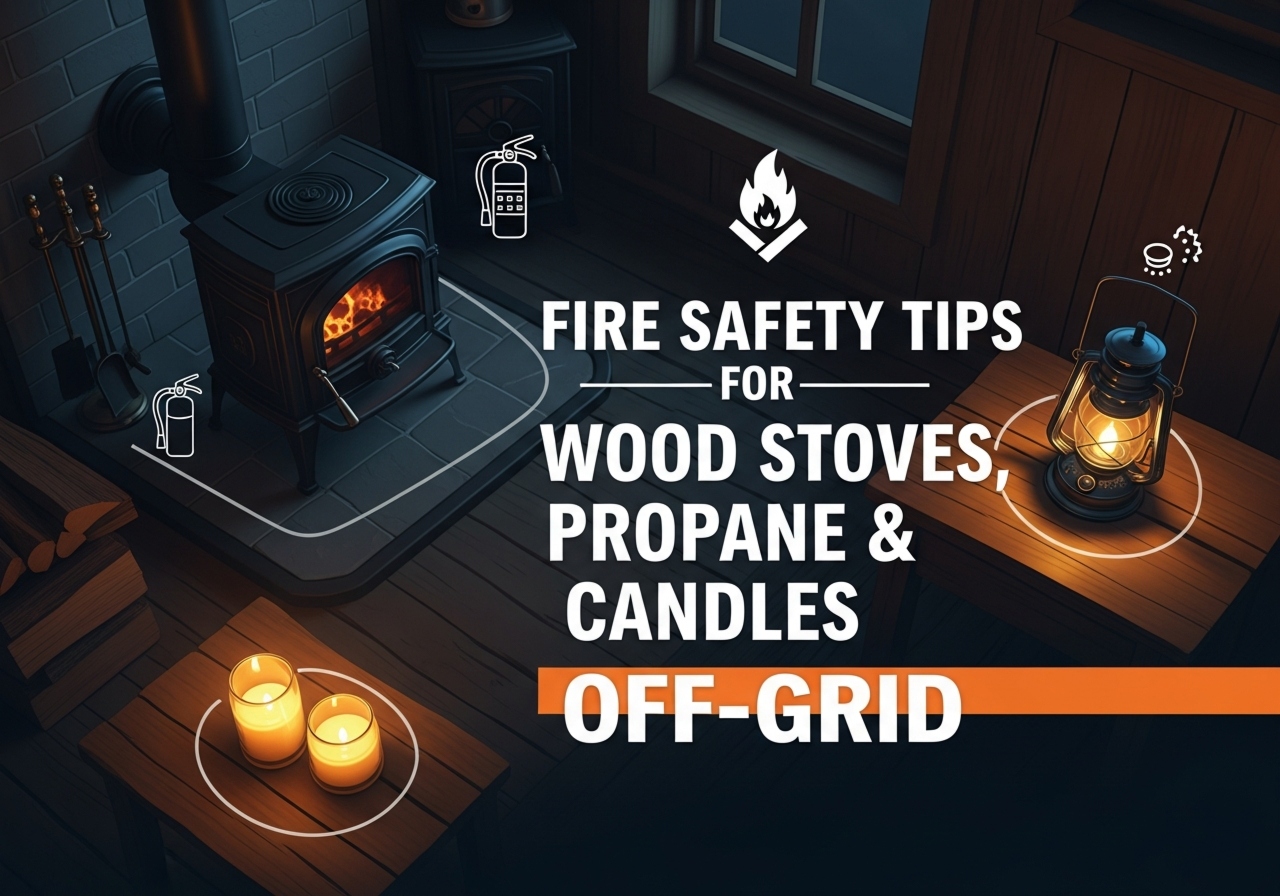
Are you comfortable managing open-flame heat sources off‑grid while keeping your family, home, and property safe?
Why fire safety matters off‑grid
Living off‑grid gives you independence, but it also means you take on extra responsibility for staying safe around fire. Emergency services may be far away, power may be limited, and you may rely on solid fuels, propane, or candles for heat and light—so prevention, detection, and preparedness become essential parts of daily life.
General off‑grid fire safety principles
You should create layers of protection: reduce ignition sources, control fuel storage, maintain equipment, install reliable detection, and practice emergency responses. Consistent habits and routine checks will dramatically lower your risk and help you react quickly if something goes wrong.
Creating a fire-safe mindset
You need to treat fire as a tool that requires respect. Establish rules for who can operate stoves and propane appliances, set boundaries for children and pets, and make safety a regular household discussion. A calm, practiced reaction will serve you better than panic.
Planning and preparedness off‑grid
Plan for limited external help by developing contingency plans, evacuation routes, and communication strategies. Keep extra supplies like battery backups, a charged two‑way radio or satellite communication, and a clearly marked fire extinguisher and first-aid kit in accessible places.
Emergency contact and communication
Make a list of local emergency numbers and how to reach them, and store a written copy where everyone can access it. If cell service is unreliable, invest in satellite messaging or a VHF/UHF radio and ensure someone knows how to use it.
Evacuation and meeting points
Decide on safe evacuation routes and a central meeting spot away from your building and fuel sources. Practice leaving quickly during a drill so that everyone knows the fastest way out.
Fire detection and monitoring off‑grid
Because you may be off‑grid, battery-powered and 12V devices are vital. You should install robust smoke alarms and carbon monoxide (CO) detectors with long-life lithium batteries or wired to a secondary power source like a solar system or deep‑cycle battery.
Smoke alarms: placement and power
Place smoke alarms inside sleeping areas and on every level of your structure. Use hardwired with battery backup if possible; if not, choose 10‑year sealed lithium battery alarms and test them monthly.
Carbon monoxide detectors: why they’re essential
CO is odorless and deadly; it can build up inside when wood stoves or propane appliances are not vented properly. Use CO detectors near sleeping areas and within 10–20 feet of combustion appliances, and power them with dependable battery or DC options.
Essential tools and gear
You should keep certain equipment accessible and in good working order: ABC fire extinguishers, a metal ash bucket with lid, a spark screen for stoves, an extinguisher suitable for grease if you cook often, and a snuffer for candles.
Fire extinguisher types and placement
Place multipurpose ABC extinguishers in the kitchen, near the primary heat source, and near exits. An extinguisher mounted near an exit allows you to fight small fires while keeping a path to escape.
Maintenance of safety gear
Check extinguishers monthly for pressure and signs of damage, sweep and test smoke and CO alarms monthly, and replace batteries annually or per manufacturer recommendations. Document checks in a simple log so nothing gets forgotten.
Simple wood stove safety tips
You’ll likely rely on a wood stove for heat off‑grid, so follow best practices for installation, operation, and maintenance. Proper clearances, fuel handling, and chimney care will reduce the chance of a house fire or CO exposure.
Proper stove installation and clearances
Install your stove per the manufacturer’s instructions and local building codes where applicable. Maintain the required clearance from combustibles—walls, furniture, curtains—and use a non‑combustible floor protector under and around the stove.
Stove pipe and chimney basics
Your stove pipe and chimney must be properly sized and have secure connections, and the chimney should extend far enough above the roofline to create a good draft. Use a chimney cap and spark arrestor to keep embers from igniting nearby materials.
Burning the right wood
Burn only well‑seasoned hardwood with moisture content below 20%. You should avoid green wood, driftwood (salt causes corrosive fumes), treated or painted wood, and trash, since these create excess smoke, creosote, and toxic fumes.
Starting and maintaining a safe fire
Start fires with small kindling and safe fire starters like waxed wood cubes or dry paper—never use gasoline, kerosene, or other flammable liquids. Maintain an appropriate size fire for your stove; overfiring can warp metal and increase chimney soot and creosote buildup.
Managing ash safely
Cool ashes for several days before disposal; store them in a metal container with a lid, placed on a non‑combustible surface away from the house. Never dump hot ashes in a wood pile, under a porch, or in a plastic container.
Chimney cleaning and creosote prevention
Have your chimney inspected and swept at least once per heating season, more often if you burn a lot of wood or produce heavy smoke. You can reduce creosote formation by burning hotter, cleaner fires and using dry wood.
Propane safety tips
Propane is a reliable off‑grid fuel but it is pressurized and flammable; you should handle it with care. Proper storage, leak detection, appliance maintenance, and safe refilling transport routines are critical.
Propane cylinder storage and placement
Store cylinders upright on a stable, non‑combustible surface outdoors, away from doors, windows, and sources of ignition. Keep them sheltered from excessive heat and direct sunlight; do not store propane indoors.
Regulators, hoses, and fittings
Check regulators, hoses, and fittings for cracks, wear, leaks, and corrosion before each use. Replace any component per manufacturer guidance, and use only approved, rated parts for your appliances.
Detecting a propane leak
Propane has an additive that smells like rotten eggs or skunk; if you smell it, turn off the tank valve immediately, extinguish open flames, avoid switching electrical devices on or off, and ventilate the area. Use a soapy water test to check fittings for bubbles when the system is pressurized.
Safe cylinder handling and transport
When transporting cylinders, secure them upright in a well‑ventilated area of your vehicle. Refill only at reputable suppliers and never overfill; follow all regulatory and supplier guidelines.
Using propane appliances safely
Keep combustion appliances properly vented and have adequate fresh air supply. Install CO detectors nearby, and shut off propane at the cylinder when appliances are not in use for extended periods.
Candle safety off‑grid
Candles offer light and ambiance but are a frequent cause of home fires. You should use candles intentionally and prefer safe alternatives when possible.
Best candle practices
Place candles on stable, heat‑resistant surfaces away from drafts, flammable materials, and high‑traffic areas. Keep candles out of reach of children and pets and never leave a burning candle unattended.
Candle selection and holders
Choose sturdy, non‑combustible holders that catch dripping wax and have a low profile to minimize toppling. Container candles are generally safer than taper candles, but the container should be rated for candle use.
Wick care and burn limits
Trim wicks to 1/4 inch before each lighting to prevent large flames and soot. Avoid burning candles for more than 3–4 hours at a stretch to prevent the container from overheating.
Safe candle extinguishing
Use a snuffer or metal lid to extinguish a candle; blowing can spread hot wax and embers. Never pour water on a wax fire, as scalding splatters can cause burns.
Power and lighting alternatives
You should use battery-powered or low-voltage LED lights as your primary solutions for routine lighting. Solar‑charged lanterns, headlamps, and 12V LED systems are safer and more reliable than open flames.
Choosing LED versus flame
LED lights produce no heat and no open flame risk, so they are the prudent primary choice. Reserve candles for special circumstances and treat them as temporary, supervised illumination.
Child and pet safety around heat sources
Children and pets are naturally curious, so you should create physical barriers and clear rules to keep them safe. Teach kids about fire risk, set boundaries, and consider stove guards or baby gates around active heat sources.
Teaching safe behavior
Discuss why stoves and propane appliances are dangerous and make a household rule that only designated adults operate them. Regularly review escape routes and practice low‑stress fire drills.
Common mistakes and how to avoid them
People off‑grid sometimes take risks to stay warm or save fuel; avoid unsafe shortcuts like using gas ovens for heat, burning trash indoors, or running unvented heaters in closed spaces. These can cause fires and lethal CO build‑up.
Why improvisation fails
Impromptu fixes or unauthorized modifications to stoves, propane systems, or chimneys often bypass safety features and lead to dangerous conditions. You should rely on approved parts, professional installs, and manufacturer guidance.
Routine maintenance schedule
A predictable maintenance routine reduces risk. Below is a sample schedule you can adapt to your situation and usage patterns.
| Task | Frequency | Notes |
|---|---|---|
| Test smoke and CO alarms | Monthly | Replace batteries as needed; replace unit after manufacturer’s service life |
| Visual propane system inspection | Before each season and before refueling | Check hoses, valves, and fittings |
| Chimney inspection and sweep | Annually or more | More frequent if heavy use or if creosote buildup is visible |
| Wood stove gasket and door check | Annually | Replace worn gaskets to maintain seal |
| Fire extinguisher check | Monthly | Ensure pressure gauge is in range and pin intact; professional service per label |
| Clean ash removal | Weekly to monthly | Store cooled ashes in metal container with lid |
Quick action: what to do if a fire starts
You should have clear, rehearsed steps for small fires and evacuations. Swift, calm action saves lives.
Small stove or appliance fire
If the fire is contained (small stove fire or cooking pan), shut off fuel or gas supply if safe to do so, close stove doors and vents to suffocate oxygen (only if the appliance is designed for that), and use an ABC extinguisher if trained. If unsure, evacuate immediately.
Propane leak or fire
If you smell propane, turn off the cylinder valve if accessible without exposing yourself to flames, remove people from the area, and call emergency services. For a propane fire that’s too large to safely fight, evacuate and keep others away.
Candle-related fire
For small candle fires, use a snuffer or a small ABC extinguisher. If flame contact spreads to curtains, furniture, or other combustibles, evacuate immediately and call for help.
Evacuation steps
Get people and pets out, close doors behind you if safe, call emergency services from a safe distance, and meet at your prearranged meeting point. Do not re‑enter until authorities declare it safe.
How to use a fire extinguisher (PASS)
You should know how to operate an extinguisher before an emergency. The PASS technique is simple and effective.
- Pull: Pull the safety pin to unlock the extinguisher.
- Aim: Aim low at the base of the fire where fuel is burning.
- Squeeze: Squeeze the handle to discharge the extinguisher.
- Sweep: Sweep side to side across the base of the flame until the fire is out.
Practice this motion with an emptied training unit or in a supervised course to build confidence.
Training and skill building
You should consider basic fire safety training courses offered by community programs, volunteer fire departments, or online tutorials. Hands‑on practice with extinguishers, first‑aid, and stove operation increases your ability to respond.
When to call professionals
Hire certified technicians for stove and chimney installation and for major propane system work. If you smell persistent propane, see damaged fittings, or suspect carbon monoxide, call a professional immediately.
Managing fuel supplies safely
Keep your wood and propane supplies organized and away from ignition sources. Proper stacking and storage reduce the chance that a stray ember will ignite a fuel pile.
Wood storage tips
Stack wood at least 30 feet from your dwelling if possible, off the ground, and under cover to keep it dry. Avoid storing wood under eaves where falling embers could ignite it.
Propane storage tips
Store spare cylinders outdoors and secure them upright. Inspect cylinders for rust, dents, or other damage before use and use proper caps for transport.
Seasonal considerations and weather impacts
Weather affects your systems—cold can affect regulator performance, wind can impact chimney draft, and dry seasons raise wildfire risk. You should adapt your practices accordingly.
Winter care for propane and stoves
Keep regulators and hoses clear of snow and ice, and ensure vents aren’t blocked. Use proper winter-grade cylinder setups and consider a regulator with a cold-weather rating.
High-wind and wildfire season
During high-wind or wildfire risk days, avoid burning entirely if conditions are precarious. Secure spark arrestors and have a plan to extinguish outdoor fire pits.
Fire-safe workspace around stoves and heaters
Keep a tidy area around heating appliances. Remove flammable clutter, store tools in metal containers, and keep fire extinguishers and a metal ash bucket within arm’s reach.
Layout and furniture placement
Place furniture, fabrics, and other combustibles well beyond the stove clearance distances. A simple rearrangement can remove the biggest hazards.
Legal and insurance considerations
You should follow local codes for fuel systems and installations and notify your insurance carrier about off‑grid heating systems. Some policies have specific requirements for wood‑burning stoves and propane installations.
Documentation and compliance
Keep manuals, receipts, inspection records, and installation certificates. Documentation helps if you need service or must file an insurance claim.
Long-term resilience: backup plans and redundancy
Plan for equipment failures by having backups: an extra CO detector, spare propane cylinders, backup batteries, and alternative lighting. Redundancy gives you time to fix problems safely.
Creating a survivable kit
Assemble a fire safety and emergency kit with extinguishers, fire blanket, first aid, flashlights, extra batteries, a wrench for propane shutoff, and a metal ash can. Store this kit in a known, accessible location.
Summary checklist table
Use this quick checklist to audit your off‑grid fire safety at a glance. Implement each item and revisit it seasonally.
| Item | Status (Y/N) | Notes |
|---|---|---|
| Smoke alarms in all sleeping areas | ||
| CO detectors near sleeping areas | ||
| ABC extinguishers accessible | ||
| Wood stove inspected and clearance maintained | ||
| Chimney swept this season | ||
| Propane cylinders stored outdoors upright | ||
| Propane fittings checked for leaks | ||
| Candle rules posted and snuffer available | ||
| Evacuation plan practiced within last 6 months | ||
| Emergency communication method tested |
Final thoughts and best habits
You can reduce fire risk significantly by combining good equipment, regular maintenance, practical habits, and rehearsed emergency actions. Treat prevention as part of daily life—check alarms, inspect fittings, store fuels safely, and teach everyone what to do.
You don’t need to be an expert to stay safe, but you should be consistent. Make small safety checks part of your routine, invest in quality detectors and tools, and call professionals for installations or anything beyond routine maintenance. With careful attention, you can enjoy the comforts of off‑grid living while minimizing the risk of fire.