
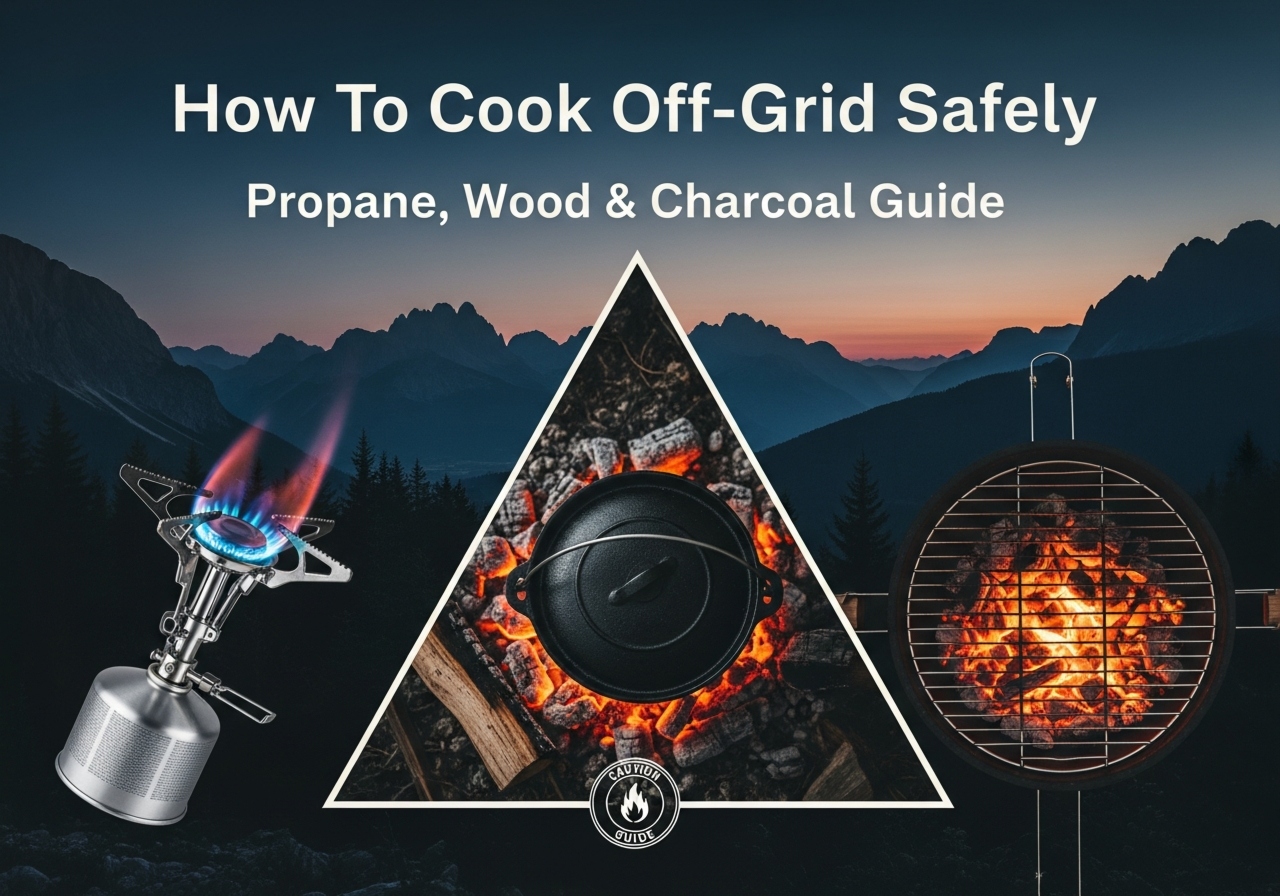
When the electricity goes out, do you know how to cook safely off‑grid with propane, wood, or charcoal?
How To Cook Off‑Grid Safely With Propane, Wood, Or Charcoal (Beginner’s Guide)
This guide gives you practical, safety‑first instructions for cooking when the power is gone. You’ll learn how to use propane, wood, and charcoal effectively while minimizing risk to yourself, others, and the environment.
Off‑Grid Cooking for Power Outages: What to Use When the Electricity Is Gone
You need options that match your situation, skills, and local regulations. This section explains the big picture so you can pick a solution that fits your needs and comfort level.
Choosing the Right Fuel for Your Situation
Choosing between propane, wood, and charcoal depends on where you’re cooking, how mobile you need to be, how much heat control you want, and how comfortable you are managing open flames. Below you’ll find the main tradeoffs laid out clearly so you can make an informed decision.
| Fuel Type | Portability | Heat Control | Startup Time | Smoke / Odor | Typical Use | Safety Notes |
|---|---|---|---|---|---|---|
| Propane | High | Excellent | Fast | Low | Camp stoves, portable grills | Requires leak and ventilation checks |
| Wood | Medium to Low | Moderate | Slower | High | Campfires, wood stoves, Dutch ovens | Sparks, ember control, CO risk in enclosed spaces |
| Charcoal | Medium | Good (with ventilation) | Moderate | Moderate | Grills, Dutch ovens | Produces CO; not safe indoors without proper venting |
Propane — What You Need to Know
Propane gives you fast, controllable heat and is excellent for cooking that requires repeatable flame control. You’ll use portable two‑burner stoves, single‑burner camp stoves, or grills, and you’ll rely on cylinders (1 lb, 20 lb, or refillable tanks) and regulators.
Propane safety centers on proper storage, leak detection, and ensuring you use appliances rated for the setting. Store cylinders upright in a cool, shaded place, check connections with soapy water for bubbles, and keep a shutoff wrench handy. Never, under any circumstances, operate a propane grill or charcoal grill indoors unless the appliance is specifically certified for indoor use and proper ventilation is in place.
Wood — What You Need to Know
Wood is everywhere in many rural settings and gives you a reliable fuel source when you can’t get gas or charcoal. You can cook directly over a campfire, use a wood‑burning stove, or use a rocket stove for improved efficiency and reduced smoke.
Wood fires demand constant attention and an emphasis on containment. You’ll need to manage sparks and embers, clear combustible material from the surrounding area, and be mindful of local burn bans. Wet wood will cause excess smoke and make cooking harder, so carry dry kindling or use manufactured fire starters if necessary.
Charcoal — What You Need to Know
Charcoal gives you a high, steady heat that’s excellent for grilling and using a Dutch oven. Lump charcoal lights faster and burns hotter, while briquettes provide more consistent, longer heat but may contain binders and additives.
Charcoal produces carbon monoxide and should never be used in tents, garages, or other enclosed spaces without certified ventilation. Use a chimney starter instead of lighter fluid to avoid chemical tastes and harmful fumes. Control temperature by arranging coals and using grill dampers to regulate airflow.
Setting Up a Safe Cooking Area
Where you place your stove or fire is as important as how you build it. A safe cooking area reduces the chance of stray embers, accidental burns, and uncontrolled spread of fire.
Choose a level, stable site that’s downwind of tents and structures and clear of low branches. Keep at least a 10‑ to 15‑foot buffer from buildings and combustible material when possible, and use a windbreak if winds would blow sparks toward hazards.
Location Selection
Location selection determines how easy it will be to manage smoke, wind, and emergency access. Select a site that allows you to approach and leave safely while giving you a clear line of sight to manage the fire.
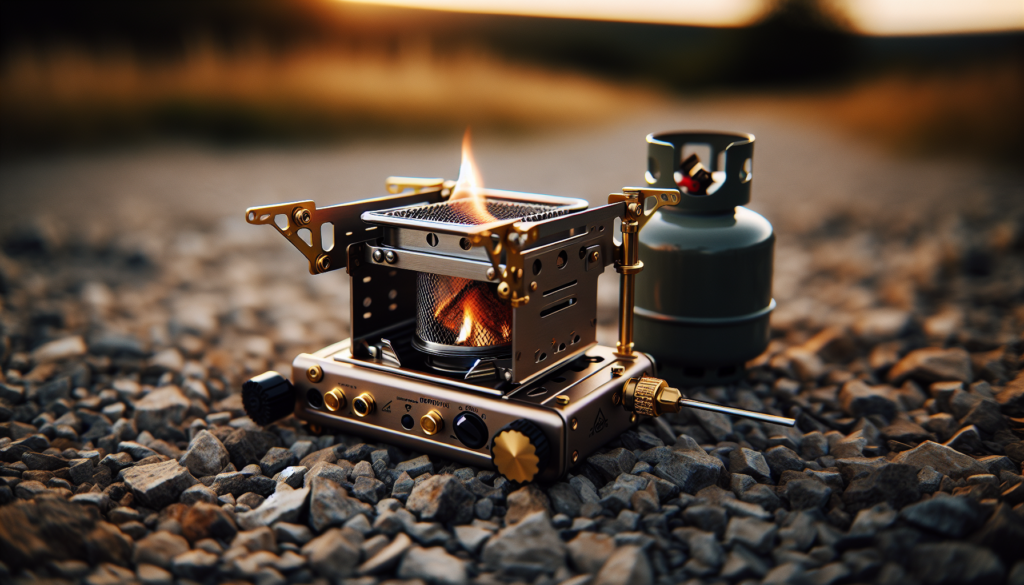
Avoid low spots where smoke can collect or where rising damp might affect fuel. For propane stoves, place the unit on a stable, non‑combustible surface and avoid using them inside tents or enclosed shelters unless they are explicitly rated for indoor use.
Ground Preparation and Fire Rings
Preparing the ground helps prevent an accidental spread of flames and makes cleanup easier. Where permitted, use established fire rings or bring a portable fire pit to contain flames and coals.
Clear a circle of at least six feet by removing leaves, pine needles, and other combustible material down to mineral soil. For wood fires, assemble stones to form a barrier for embers and to hold a cooking grate if you plan to grill.
Wind and Weather Concerns
Wind can quickly change a safe fire into a hazard by carrying sparks or making flames unpredictable. Storms and high winds often lead to temporary burn bans, so always check local conditions before building a fire.
Use natural or man‑made windbreaks, keep lightweight items secured, and maintain a smaller fire when winds are gusty. For propane, shield burners from gusts to maintain an even flame and prevent flare‑ups.
Child and Pet Safety
Keeping children and pets away from cooking areas prevents accidental injuries and reduces distractions while you cook. Designate a clear safety perimeter and use barriers or visual markers when necessary.
Explain basic rules calmly: don’t touch hot equipment, stay outside the barrier, and tell an adult if something is wrong. Always keep a responsible adult watching the cooking area when it’s in use.
Ventilation, Carbon Monoxide, and Fire Safety
Managing combustion byproducts is critical for off‑grid cooking. Carbon monoxide (CO) is colorless and odorless but can be deadly; smoke irritates the lungs and reduces visibility while embers and flames can start larger fires.
Never use charcoal grills inside enclosed spaces because of CO. When using propane or wood in shelters, ensure adequate ventilation and keep a battery‑powered carbon monoxide detector active.
Understanding Carbon Monoxide
Carbon monoxide forms when fuels burn incompletely, and it quickly builds up in enclosed spaces. Symptoms include headache, dizziness, nausea, confusion, and ultimately loss of consciousness; you must act immediately if they appear.
If you suspect CO poisoning, move the person to fresh air, call emergency services, and administer CPR if needed and you are trained. Don’t re‑enter the area until professionals say it’s safe, and always use CO detectors when cooking inside any enclosed structure.
Ventilation Guidelines for Sheltered Cooking
If you need to cook inside due to weather, only use appliances that are rated for indoor use and provide adequate fresh air exchange. Open doors and windows and keep cross‑ventilation flowing when feasible.
Install battery‑powered or hardwired CO and smoke detectors and test them regularly. If the device emits an alarm, stop cooking, ventilate immediately, and move to a safe area.
Ignition and Flame Control Techniques
How you start and control your heat source affects fuel efficiency and safety. Proper technique reduces fuel consumption, avoids flare‑ups, and lets you maintain stable cooking temperatures.
For propane, always check the regulator and hose before lighting. Turn on the gas at the tank, then ignite using the stove’s built‑in ignition or a long match, and adjust the flame to the desired level gradually.
Lighting and Maintaining a Propane Flame
Start by visually inspecting hoses and regulators for cracks or damage and perform a soap‑and‑water leak test if you suspect a leak. Open the cylinder valve slowly, listen for hissing, and only ignite the burner after gas reaches the stove.
If you smell gas strongly and the burner won’t light, shut off the cylinder immediately, ventilate the area, and re‑check connections. Carry spare O‑rings and hand tools, and always follow the manufacturer’s lighting procedure.
Building and Controlling a Wood Fire
Use a layered approach: tinder, small kindling, and progressively larger logs. Build a small, efficient fire using the teepee or log cabin method for quick coaling, or a lean‑to for windy conditions.
Control temperature by varying air intake and choosing cooking locations relative to the flames and coals. Moving pots farther from flames, using a grate with adjustable height, or creating a bank of coals gives you far more nuanced heat control than a large roaring fire.
Igniting and Managing Charcoal
Use a chimney starter for chemical‑free ignition—fill the chimney with charcoal, place crumpled paper or a natural starter beneath, and light the paper. When the top coals turn gray with ash, pour them into the grill and arrange for direct or indirect heat as needed.
Control temperature with the grill’s vents: open for more oxygen and higher heat, close for lower heat. Remember that once charcoal is very hot, it can stay at high temperatures for a long time, so plan your cooking sequence accordingly.
Cooking Equipment and Cookware for Off‑Grid
Choosing the right gear makes cooking easier and safer while saving fuel. Select durable, multipurpose tools that match your cooking style and fuel type.
Cast iron works exceptionally well on wood and charcoal because it retains and distributes heat evenly, while lightweight stainless steel or hard‑anodized aluminum is ideal for propane stoves where quick heating is helpful. Use lids to conserve heat and reduce fuel consumption.
Pots and Pans Materials
Cast iron holds heat and is forgiving when you need stable temperatures for stews or bread in a Dutch oven. Stainless steel is lighter, resists corrosion, and is easier to clean quickly, which helps when you’re conserving water.
Avoid nonstick pans directly over very high or uneven heat, since excessive temperatures can damage coatings. If you rely on propane, bring a lightweight pan set; for wood or charcoal, bring cast iron favorites.
Cookware for Propane
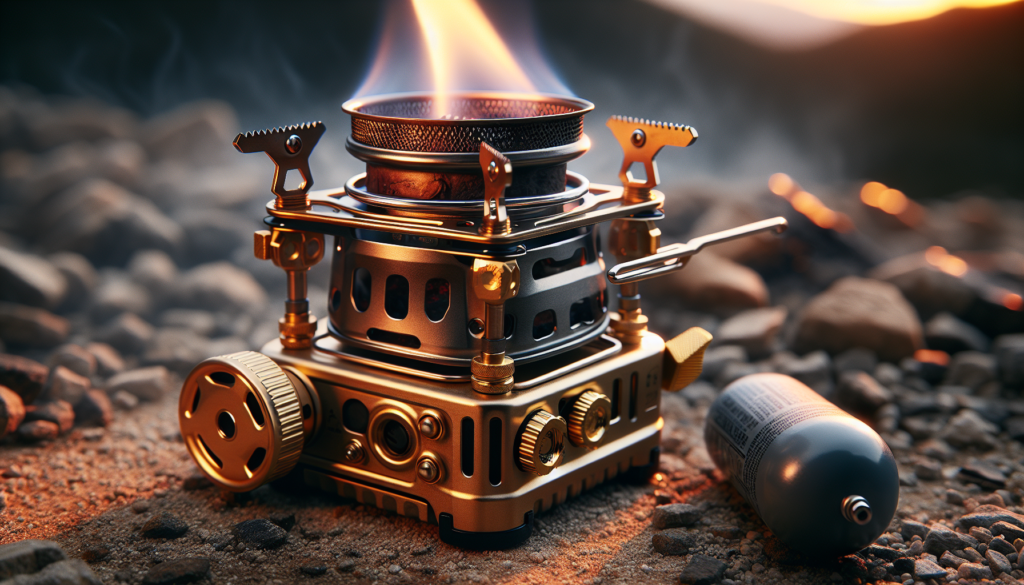
For propane, use cookware with flat, stable bottoms to maximize contact with the burner. Consider wind screens and pot supports if you’ll be cooking in breezy conditions to maintain consistent flame contact and reduce heat loss.
Bring a heat diffuser or simmer plate to prevent hot spots when you need low, steady heat for delicate sauces or simmering.
Cookware for Wood and Charcoal
For wood and charcoal cooking, have a sturdy Dutch oven, grill grate, and a set of long‑handled tools like tongs and spatulas. A tripod with a hanging chain gives you an adjustable work setup over campfires.
Ember management tools—shovel, poker, and metal container for cooling coals—are essential. Bring a cast iron lid lifter and oven gloves to handle hot cookware safely.
Tools and Accessories
A basic set should include a meat thermometer, tongs, spatula, heavy‑duty gloves, lighter or matches, spare fuel connectors for propane, and a small fire extinguisher. Carry an emergency blanket and a basic first aid kit with burn treatment supplies.
Also bring a metal bucket or container for coals and ashes, a small folding saw or axe for splitting wood, and a water container for extinguishing fires quickly if needed.
| Gear | Propane | Wood | Charcoal |
|---|---|---|---|
| Portable stove/grill | Required | Optional | Optional |
| Chimney starter | No | No | Highly recommended |
| Dutch oven | Possible | Recommended | Recommended |
| Wind shield | Recommended | Helpful | Helpful |
| Fire extinguisher | Recommended | Recommended | Recommended |
| Carbon monoxide detector | Recommended | Recommended | Highly recommended |
Food Safety Without Power
Food temperature control becomes crucial when refrigeration fails. You’ll need a plan to minimize food spoilage and reduce the risk of foodborne illness.
Keep refrigerator doors closed as much as possible. An unopened refrigerator will maintain safe temperatures for about 4 hours, and a full freezer will stay cold for roughly 48 hours (24 hours if half‑full) if the door stays closed.
Refrigerator and Freezer Management
If you expect an extended outage, move perishable items to a cooler with ice or dry ice if you have it and know how to handle it safely. Use a food thermometer to check temperatures—discard any perishable food left at temperatures above 40°F (4°C) for more than two hours.
Plan meals that use fresh perishables first and consider dehydrated, canned, or shelf‑stable foods for longer outages. Freeze water bottles in advance to help keep coolers colder longer.
Water Safety and Cooking
If municipal water is off or compromised, boil water for at least one minute at sea level (add one minute for altitudes above 5,000 feet) to kill pathogens. Use stored potable water for drinking and cooking when possible, and have water purification tablets or filters as backup.
Be careful about melting accumulated snow for water without proper treatment—boil it after filtering any sediment.
Lighting and Heating Considerations
Cooking often produces heat, but it doesn’t replace dedicated heating solutions for cold conditions. Using cooking devices for space heating is risky and should be avoided unless the appliance is certified for that purpose.
Portable propane heaters made for indoor use can supply heat, but they require strict adherence to manufacturer instructions and good ventilation. Never use charcoal or open wood fires to heat enclosed living spaces because of carbon monoxide and smoke hazards.
Using Appliances Safely for Light and Heat
Use cookstove lights, headlamps, and battery lanterns to illuminate cooking areas safely without risking a knockover hazard for an open flame. Keep combustion appliances on a stable surface and away from flammable items.
For heat, choose certified indoor heaters and place them on non‑combustible surfaces. Maintain clearances recommended by the manufacturer, and always keep combustion appliances under observation.
Fire Extinguishing and Aftercare
Extinguishing and disposing of coals and ashes safely prevents re‑ignitions and wildfire risk. Your cleanup procedure should leave the site cold to the touch and free of smoldering material.
For propane, turn off the cylinder and let the stove cool before storing. For wood and charcoal, douse coals with water, stir thoroughly, and repeat until ashes are cold. Store cooled ashes in a metal container with a lid away from combustibles.
Extinguishing Propane Fires and Leaks
If a propane appliance catches fire, turn off the cylinder if you can do so safely and use a Class B fire extinguisher. If you cannot control the fire, evacuate and call emergency services.
For suspected leaks, shut off the cylinder valve, move to fresh air, and do not use electrical switches or devices that could create a spark. Fix or replace faulty connectors before returning to cooking.
Extinguishing Wood and Charcoal Fires
Smother the fire with water, sand, or dirt, stirring until all embers and coals are cool to the touch. Never bury hot coals and assume they’re safe—burying can allow embers to reignite under mulch or leaves later.
Store cooled ashes in a non‑combustible container and dispose of them according to local rules. Reuse ashes sparingly as garden amendments only when fully cooled and when local guidelines permit.
Legal and Environmental Considerations
You must respect burn bans, private property, and air quality regulations when cooking with open flame or charcoal. Being a good neighbor reduces the chance you’ll be fined or create a hazard.
If you’re gathering wood on public land, check local rules—many areas prohibit collecting firewood or have strict limits to prevent the spread of pests. Avoid burning trash, plastics, or treated wood; these produce toxic fumes and contaminate the environment.
Air Quality and Smoke Management
Excess smoke is a nuisance and a health risk, especially for people with respiratory conditions. Choose efficient stoves (like rocket stoves) when you can and avoid burning wet wood which produces unnecessary smoke.
Be aware of local air quality advisories and consider alternative cooking methods if poor air quality is a concern. Keep neighbors in mind: smoke can drift and create health issues or complaints.
Troubleshooting Common Problems
Even with good preparation, problems arise. This section helps you recognize issues quickly and take practical corrective steps.
Propane: Weak Flame or No Ignition
If your propane stove produces a weak flame, check for low fuel, clogged jets, or cold cylinders that can’t vaporize gas effectively. Warm the cylinder slightly by moving it to a warmer place (never in direct heat) and inspect jets for blockages; clean with a gentle needle if needed.
If the stove won’t ignite but you smell gas, shut off the cylinder immediately, ventilate, and troubleshoot later. Replace damaged hoses and regulators and keep spare parts as part of your kit.
Wood: Excessive Smoke or Poor Combustion
Excessive smoke usually means the wood is wet or the fire lacks sufficient oxygen. Break wood into smaller pieces for better combustion, and rearrange the fire to increase airflow; a small, hot fire produces less smoke and cooks more efficiently.
If sparks are an issue, reduce the flame size or add a spark screen and keep a water bucket nearby. Consider using a rocket stove for improved combustion and reduced smoke.
Charcoal: Won’t Light or Too Hot
If charcoal won’t light with a chimney starter, check that the starter and paper are dry and that you have an adequate draft. For hot spots or temperature spikes, spread coals out or close vents slightly to reduce oxygen flow.
When coals are too hot for low‑temperature cooking, move them to one side for indirect heat or let them cool slightly before placing food over the grill.
Practical Off‑Grid Cooking Examples and Methods
Hands‑on examples help you practice safe cooking techniques and build confidence. These step‑by‑step methods use minimal tools and common fuels.
Boiling Water on a Propane Stove
Place a pot of water on the stove, secure it so it sits flat on the burner, and open the cylinder valve slowly. Ignite the burner using the stove’s knob or a long match, then bring to a rolling boil. Reduce the flame to maintain a boil for one minute (add one minute if above 5,000 feet) to purify water.
Always turn off the cylinder before removing the pot, and keep pot handles turned inward so you don’t knock them over.
Cooking Stew in a Dutch Oven Over Coals
Create a bed of coals and position a few coals under the Dutch oven for steady bottom heat. Place additional coals on the lid to emulate oven heat from the top, adjusting the number of coals to control temperature. Check periodically and rotate the oven to ensure even cooking; use long tools and gloves to lift the lid.
This method is great for long, steady cooking like stews, casseroles, and bread.
Grilling Meat on Charcoal
Light a chimney starter and wait until coals are ashed over. Spread them for direct or arrange them to one side for indirect cooking. Place a clean, oiled grate over the coals, sear meat over direct heat, and move to indirect heat to finish cooking to the desired internal temperature.
Always use a meat thermometer to confirm doneness and avoid guessing by time alone.
Emergency Checklist and Packing List
Having the right supplies at hand saves time and prevents dangerous improvisation. Use this checklist to assemble a go‑bag or a dedicated off‑grid cooking kit.
| Category | Item |
|---|---|
| Fuel & Lighting | Propane cylinders, charcoal, dry firewood, chimney starter, matches/lighter, windshield |
| Cookware | Portable stove, grill grate, Dutch oven, pots/pans, lids |
| Tools | Long tongs, spatula, tripod, shovel, pot lifter, gloves |
| Safety | Fire extinguisher, CO detector, smoke detector, first aid kit, water for extinguishing |
| Food & Water | Shelf‑stable food, canned goods, water jugs, ice packs |
| Misc | Meat thermometer, spare hoses/regs, soap, scrubber, metal ash container |
Pack these items in a waterproof container and label critical components like regulators and connectors for quick access.
Final Safety Reminders
Safety starts with planning: know your equipment, understand local rules, and keep emergency contacts on hand. Practical preparation and steady attention while cooking will let you provide hot meals without compromising safety.
Maintain clear ventilation, never use charcoal in enclosed spaces, store fuels properly, and keep a working carbon monoxide detector near occupied areas. With the right knowledge and gear, you’ll be prepared to cook safely and confidently while the lights are out.