Are you ready to make sustainable off‑grid living realistic and affordable for your life or weekend plans?
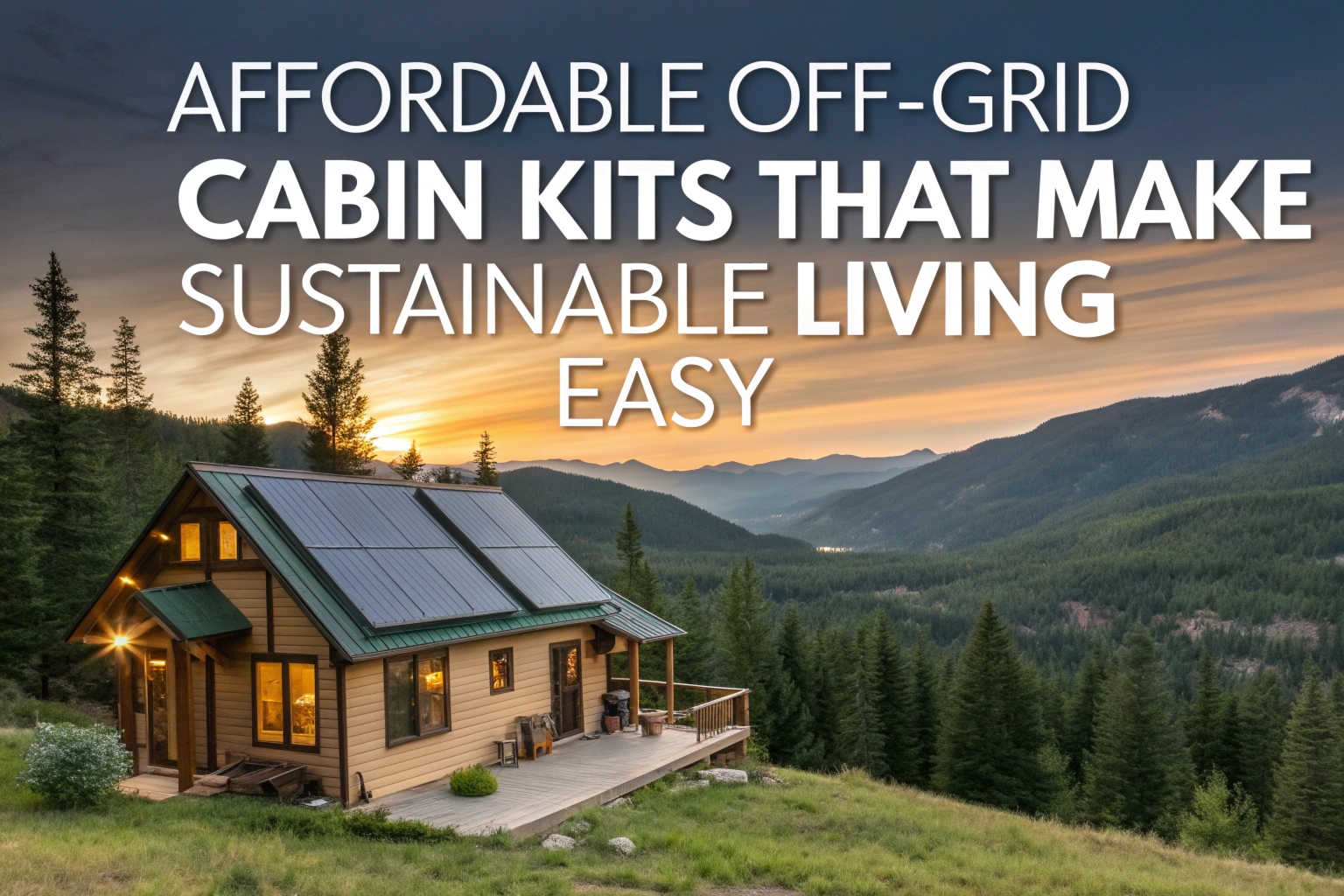
Affordable Off‑Grid Cabin Kits That Make Sustainable Living Easy
You’ll find that off‑grid cabin kits can remove a lot of the guesswork from building a small, energy‑efficient home. This article gives you practical guidance on kit types, costs, utilities, site selection, legal issues, manufacturers, and a realistic breakdown of what to expect from purchase through long‑term ownership.
Why choose an off‑grid cabin kit?
You’ll get a faster, more predictable building process compared with designing and building from scratch. Kits typically reduce waste, simplify permitting, and bundle compatible components so your systems work together.
You also gain options for scalability: many kits let you start small and add modules or systems as your budget and skills grow. That flexibility is ideal when you want to manage costs without sacrificing comfort.
Who benefits most from affordable kits?
If you want to escape city rents, operate a low‑impact retreat, or build a simple primary residence, kits are especially useful. You’ll also benefit if you want to minimize professional labor or if your land is remote and needs a compact, transportable solution.
Kits are attractive to DIYers, small contractors, sustainable‑living pioneers, and people seeking a quick path to a comfortable off‑grid dwelling.
Types of off‑grid cabin kits
You’ll want to match kit types to your skills, budget, and timeline. Each option has tradeoffs between price, completeness, and required labor.
Shell kits
You receive the structural frame, roof, exterior sheathing, and sometimes windows and doors. You’ll be responsible for foundation, insulation, interior finishes, electrical and plumbing.
Shell kits are often the most economical entry point if you’re comfortable doing interior systems and finishing work.
Turnkey or fully finished kits
These kits include insulation, interior finishes, cabinets, and often plumbing and electrical fixtures. They’re more expensive but reduce labor and coordination.
Turnkey kits are best when you want a fast move‑in timeline or limited onsite construction capacity.
Panelized kits and SIPs (Structural Insulated Panels)
Panelized kits or SIPs speed up construction and give excellent thermal performance. They arrive with wall and roof panels that fit together like big puzzle pieces.
If you prioritize airtightness and energy efficiency, SIPs can reduce heating loads and shorten build time.
Tiny cabin kits / micro cabins
These kits focus on compact footprints (often 100–400 square feet) with multi‑function spaces. You’ll often see integrated lofts and clever storage solutions.
Tiny kits deliver very low material and operating costs and are ideal for weekend getaways or minimalist full‑time living.
Log and timber frame kits
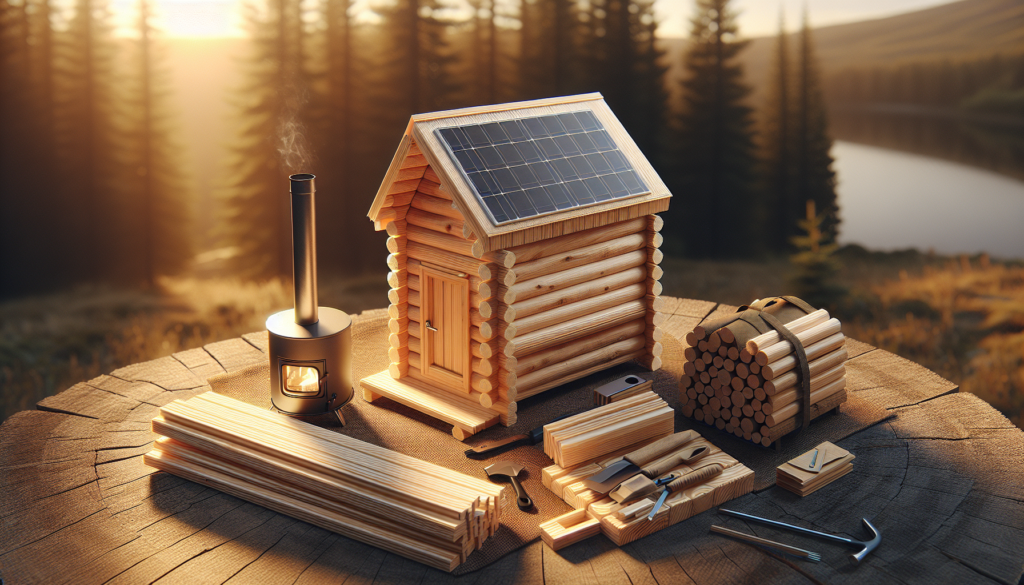
Traditional aesthetics meet kit convenience. Log kit packages include milled logs, joinery features, and plans.
You’ll get a solid, long‑lasting structure with natural materials, though shipping and specialized assembly can add cost.
Quick comparison of kit types
| Kit Type | What you get | Skill level required | Typical cost range (kit only) | Best for |
|---|---|---|---|---|
| Shell kit | Frame, roof, exterior | Moderate | $5,000–$40,000 | DIY finishers |
| Turnkey kit | Fully finished interior & systems | Low | $30,000–$150,000+ | Move‑in ready |
| Panelized / SIPs | Pre‑insulated panels | Moderate | $15,000–$80,000 | Energy efficiency |
| Tiny cabin | Small complete shell or turnkey | Low–Moderate | $8,000–$60,000 | Tiny living/rentals |
| Log / timber | Milled logs, plans | High | $15,000–$100,000+ | Rustic aesthetics, durability |
What components come with a kit?
You’ll want to know which items are standard and which are options. Understanding this helps you compare real costs between vendors.
Common components included or optional:
- Framing materials (studs, rafters, beams)
- Exterior sheathing and siding or log sections
- Roofing panels, underlayment, and flashing
- Windows and exterior doors (sometimes optional)
- Fasteners, hardware, and instruction manuals
- Pre‑cut joinery or panelized assemblies (SIPs)
- Interior finishes and fixtures (turnkey only)
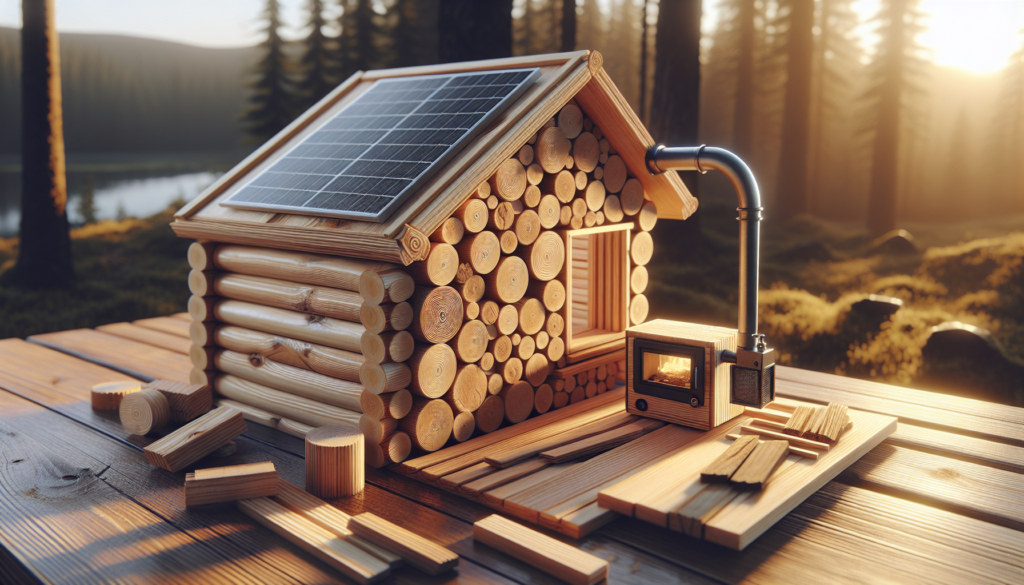
- Mechanical system packages (solar, off‑grid plumbing, optional)
Foundation and anchoring
Kits rarely include foundations. You’ll typically choose between concrete slab, pier/grade beams, screw piles, or frost‑protected shallow foundations. Each has different costs and site suitability.
Consider foundation as a separate budget category — it’s a major factor in total project cost and timing.
Envelope, doors, and windows
Higher‑quality windows and doors increase upfront cost but reduce long‑term heating and cooling expenses. Many affordable kits offer upgraded window packages as options.
You’ll want to verify U‑values and airtightness ratings when your climate demands strong thermal performance.
Electrical and plumbing packages
Some manufacturers bundle basic off‑grid electrical packages (prewired panels, conduit routes) and water systems (greywater routing, pre‑plumbed modules). These packages save on compatibility headaches and can simplify inspections.
If you plan to integrate solar or battery storage, choosing a kit with preplanned conduit routes and panel locations is helpful.
What’s optional vs included — component checklist
| Component | Often Included | Often Optional / Extra |
|---|---|---|
| Structural shell | Yes | No |
| Windows & doors | Sometimes | Often |
| Roofing materials | Usually | Upgrades available |
| Foundation | No | Site‑specific |
| Insulation | Turnkey kits yes; shell kits no | Upgrades common |
| Interior finishes | Turnkey only | Yes |
| Plumbing fixtures | Turnkey only | Yes |
| Electrical components | Basic wiring sometimes | Solar & batteries extra |
| Mechanical systems (heating) | Rare | Yes |
| Delivery & assembly | Often charged extra | Depends on vendor |
How much do affordable kits actually cost?
You’ll find a wide range of pricing depending on finish level, size, and materials. “Affordable” varies by region, but the purpose is to keep the total project cost low while maintaining comfort.
Typical price bands:
- Very basic shell tiny cabin: $5,000–$12,000 (kit only)
- Small finished tiny house (turnkey): $20,000–$60,000
- Small 1–2 bedroom cabin (panelized or SIPs): $30,000–$90,000
- Larger timber/log cabins or luxury kits: $100,000+
These figures represent kit cost only — you’ll still pay for foundation, transport, permits, utilities, and finishing in many cases.
Cost breakdown: realistic budget you should plan
| Item | Low cost example | Typical cost | Notes |
|---|---|---|---|
| Kit (shell) | $7,500 | $15,000 | Cheaper kits require more finish work |
| Foundation | $2,000 | $8,000 | Pier or screw piles cheapest; slab more |
| Delivery | $500 | $3,000 | Remote sites add cost |
| Assembly labor | $0 (DIY) | $6,000 | Contractor fees vary |
| Electrical (off‑grid) | $2,000 | $12,000 | Solar, inverter, batteries |
| Water system | $500 | $6,000 | Catchment vs well vs hauled water |
| Waste system | $500 | $8,000 | Composting vs septic installation |
| Interior finishes | $1,000 | $10,000 | Cabinets, flooring, bathroom |
| Permits & inspections | $200 | $4,000 | Local codes determine cost |
| Contingency (15%) | Variable | Add 10–20% | Always budget a contingency |
You’ll often see the kit represent 20–40% of total project cost. That means a very cheap kit can still result in a midrange total once systems and site work are added.
Choosing a site for your off‑grid cabin
Your site determines everything from foundation choice to water strategy. You’ll want to evaluate legal and physical constraints before buying a kit.
Key site considerations:
- Zoning and minimum dwelling size rules
- Access for delivery trucks and assembly equipment
- Solar exposure and shading from trees or structures
- Slope and soil stability for foundations
- Water availability (creek, well, seasonal access)
- Fire risk and defensible space requirements
You’ll reduce surprises by doing a site survey and simple soil test before purchasing a kit. That ensures the kit will actually fit and be transportable to your property.
Power options for off‑grid living
Your power strategy shapes kit selection and system costs. You’ll want to balance reliability, capital cost, and maintenance.
Solar photovoltaic (PV) + battery
Solar is the most common off‑grid power source for cabins. You’ll typically pair PV panels with an inverter/charger and batteries.
Solar advantages: quiet operation, low maintenance, scalability. Solar downsides: upfront cost, decreased output in overcast seasons, battery replacement lifecycle.
Hybrid systems and generators
You can combine solar with a propane or diesel generator for backup or peak‑demand support. Hybrid charge controllers let generators top off batteries as needed.
Generators give you reliable backup at the cost of fuel, noise, and maintenance. They’re a practical option for remote sites where energy security is essential.
Micro wind
If your site has consistent winds, small wind turbines can supplement solar, especially in winter or stormy seasons. Wind is more site‑dependent and requires structural considerations.
Water strategies
Your water plan depends on available resources and budget. You’ll choose between well, surface collection, or water hauling.
Options:
- Well: reliable but costly to drill and equip with pump and storage.
- Rainwater catchment: affordable and sustainable, requires filtration and treatment for potable use.
- Haul water: lowest capital cost, highest ongoing effort and potential cost.
You’ll need to size storage tanks relative to expected use and dry periods. A 1,000–2,500 gallon cistern is common for small cabins, but your climate and usage will dictate the right volume.
Waste and wastewater
Off‑grid waste systems must respect local regulations and protect groundwater.
Options:
- Composting toilets: low water use, simple, and often permitted when properly installed.
- Septic systems: required in many jurisdictions for permanent structures, cost varies with soil percolation.
- Holding tanks: simple but require periodic pumping and legal disposal.
You’ll want to consult local health departments early to confirm acceptable systems and tap into local installers for septic if needed.
Heating and cooling for off‑grid cabins
You’ll pick systems that match thermal envelope performance and fuel availability.
Options:
- Wood stove: excellent for off‑grid heating where wood is abundant; provides backup cooking potential.
- Propane or kerosene heaters: simple and reliable, requires fuel supply.
- Mini‑split heat pumps: highly efficient and usable for heating and cooling, but need electrical power.
- Passive solar design: orient and window placement to use sunlight for heating while shading in summer.
You’ll combine passive strategies with a small active system for comfort and energy savings.
Insulation and airtightness
A well‑insulated, airtight building envelope reduces heating needs and storage/battery sizing. You’ll want to prioritize insulation and high‑performance windows over oversizing mechanical systems.
Key targets:
- Walls: R‑20 to R‑30 for temperate climates, higher for cold climates.
- Roof/ceiling: R‑40 to R‑60 in cold climates.
- Floor: R‑10 to R‑30 depending on crawlspace conditions.
SIPs and high‑quality framing kits often make achieving airtightness simpler, reducing long‑term operating costs.
Materials and sustainability considerations
You’ll likely choose materials based on durability, embodied carbon, and maintenance.
Sustainable choices:
- Certified sustainably harvested timber or reclaimed wood
- Structural Insulated Panels (SIPs) with low‑GWP foam or natural fiber insulation
- Recycled steel or composite roofing for longevity
- Low‑VOC finishes for healthier indoor air
You’ll weigh embodied energy against longevity — a long‑lasting, low‑maintenance roof may be the more sustainable option overall.
DIY assembly vs. hiring professionals
You’ll face a tradeoff between labor cost savings and quality or speed. Kits are designed to reduce specialized trades, but some tasks — electrical, septic installation, and foundation work — often require licensed professionals.
Considerations:
- Your skills in carpentry, plumbing, and electrical work
- Time available for construction
- Local code requirements for licensed professionals
- Manufacturer support and on‑site instruction options
If you plan to DIY significant portions, choose kits with thorough guides, labeled parts, and active customer support.
Common manufacturers and kit examples
You’ll want to compare several providers before you buy. Here are representative manufacturers and what they typically offer.
| Manufacturer | Typical offerings | Approx. kit price range | Notable features |
|---|---|---|---|
| Tumbleweed or similar tiny kit makers | Tiny house kits, shell and turnkey | $20k–$80k | Tiny footprints, mobile options |
| Studio / Off‑grid cabin makers (small firms) | Panelized cabins, SIP kits | $15k–$90k | SIP options, energy efficient |
| Log home kit companies | Milled log packages, complex models | $15k–$150k | Rustic aesthetics, heavy shipping |
| Prefab cabin manufacturers | Modular complete units | $30k–$150k+ | Fast assembly, turnkey models |
| DIY kit retailers | Frame/exterior kits only | $5k–$40k | Low cost, high labor |
You’ll want to read customer reviews, ask for references, and request detailed material lists and assembly manuals before purchase.
Permits, codes, and legal issues
You’ll need to confirm local rules before you buy. Codes vary greatly by county, state, and country.
Key steps:
- Check zoning to confirm accessory dwelling units (ADUs) or off‑grid dwellings are allowed.
- Verify building codes and whether kits need engineered plans.
- Confirm occupancy and septic/wastewater regulations.
- Ask about road access, driveway permits, and right‑of‑way.
You’ll avoid costly delays by engaging the local building department early and submitting full plans with kit specifications.
Financing and insurance
Financing for kits can be challenging, but options exist. You’ll want to prepare clear cost estimates and documentation.
Financing options:
- Personal loans or construction loans (may require full plans)
- Manufacturer financing (some vendors offer payment plans)
- Home equity or lines of credit (if you own other property)
- RV or tiny house loans if your cabin qualifies as a manufactured dwelling
Insurance:
- Ask insurers about coverage for off‑grid or nontraditional structures.
- Some companies provide builder’s risk during construction and homeowner policies after occupancy.
- Document systems and safety features (e.g., certified stoves, electrical installations) to support coverage and rates.
Installation timeline and realistic scheduling
You’ll want a realistic project schedule to coordinate deliveries and contractors.
Typical timeline (small cabin, moderate conditions):
- Site prep and foundation: 1–3 weeks
- Kit delivery and envelope assembly: 1–2 weeks (panelized may be faster)
- Systems rough‑in (electrical/plumbing/heating): 1–3 weeks
- Interior finishes and commissioning: 1–4 weeks
Weather, remote location, and permit turnaround times add variability. You’ll build time contingencies into your schedule.
Maintenance and long‑term costs
You’ll save in operating costs with good design but should plan for ongoing maintenance.
Typical maintenance items:
- Roof and flashing inspection annually
- Wood stove chimney cleaning yearly if used frequently
- Battery replacement schedule (lead‑acid ~5–10 years, Li‑ion 10+ years)
- Painting or staining exterior timber every 5–10 years
Budget annually for unexpected repairs and systems replacement over the decades.
Real‑life use cases
You’ll find kits used for a variety of lifestyles:
- Weekend or hunting cabins where minimal systems suffice
- Full‑time tiny living with optimized off‑grid systems
- Short‑term rentals for mountain, lakeside, or rural properties
- Emergency or disaster retreat shelters
Each use case changes priorities: rentals require durability and low maintenance, while full‑time living needs more robust systems and comfort features.
Common pitfalls and how you avoid them
You’ll likely encounter some common mistakes other builders have made. Planning helps prevent them.
Pitfalls:
- Underbudgeting foundation and site work
- Ordering a kit without checking delivery access
- Ignoring local code requirements early
- Choosing poor windows or inadequate insulation
- Not accounting for battery replacement or generator fuel costs
You’ll reduce risk with thorough site assessment, written quotes, contingencies, and manufacturer references.
Buying checklist before you place an order
You’ll want to confirm these items in writing:
- Detailed parts list and specifications
- Shipping method, timing, and costs
- Warranty terms and customer support options
- Onsite assembly services availability and cost
- Compatibility with intended utilities and systems
- Local permitting requirements and applicable engineered plans
A clear purchase agreement prevents surprises at delivery and assembly.
Frequently asked questions
Q: Can you live full‑time in an affordable kit? A: Yes, with the right size, insulation, and off‑grid systems. You’ll need to design systems for year‑round comfort and address wastewater and legal residency requirements.
Q: How much solar do you need for a small cabin? A: It depends on your energy use. A modest cabin with LED lighting, small fridge, and occasional heat pump might need 1–3 kW of PV with 5–20 kWh of battery storage for reliable operation.
Q: Are composting toilets legal? A: In many areas they are, but not everywhere. Confirm with local health departments; some places require certified systems or specific installation procedures.
Q: How long does assembly take? A: Panelized kits can go up in days to weeks. Shell kits with full finishing may take months depending on labor and weather.
Q: Do kits come with warranties? A: Many manufacturers provide material warranties; finished systems may have separate warranties for appliances, windows, and solar gear.
Final considerations and next steps
You’ll find that off‑grid cabin kits can be an affordable gateway to sustainable living if you plan carefully. Start by matching kit type to your skill level and budget, validate your site constraints, confirm permit requirements, and get multiple quotes.
If you’re serious, request detailed specifications and delivery logistics from a few reputable manufacturers, visit completed builds if possible, and build a realistic budget with contingency. With thoughtful planning, your off‑grid cabin can be a comfortable, low‑impact home that’s easier to achieve than you might think.