
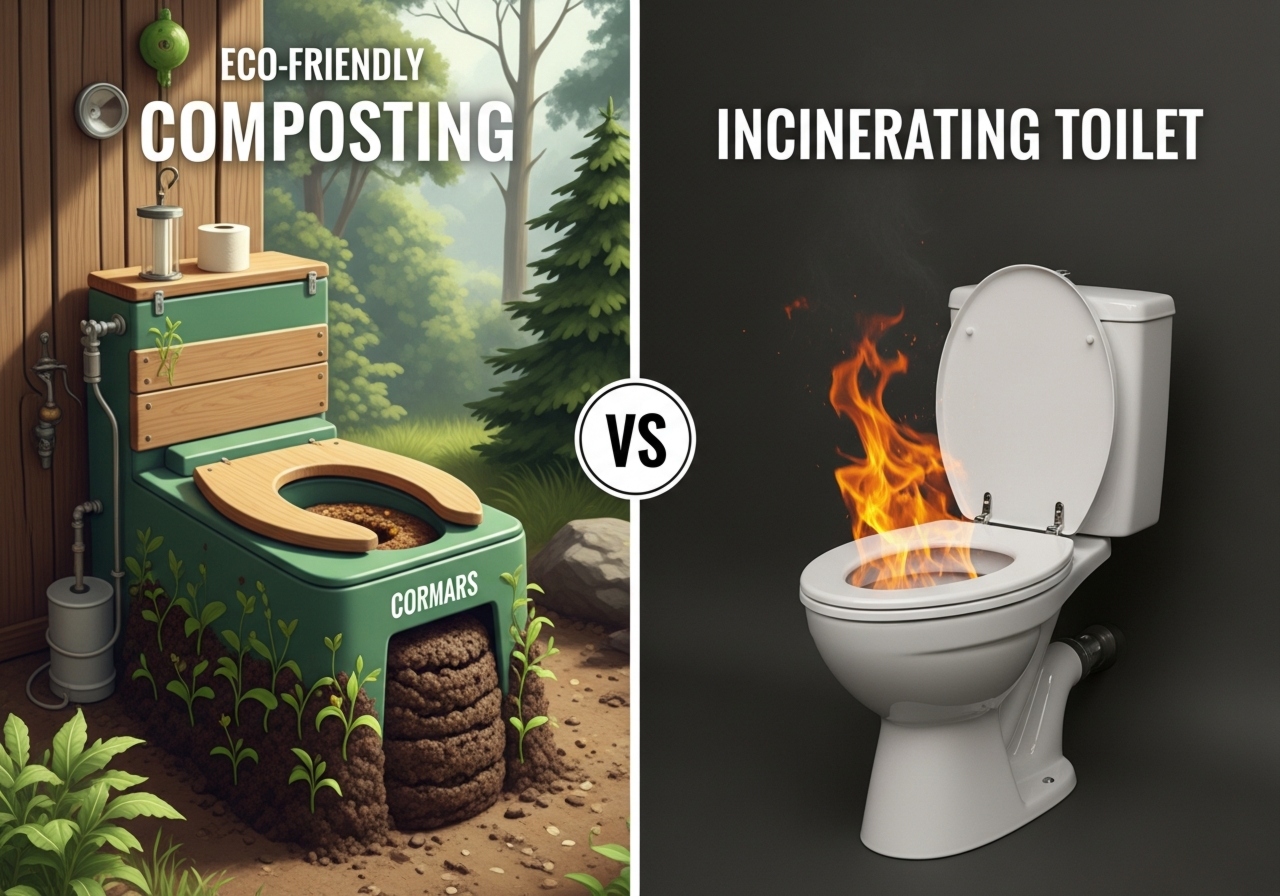
Which toilet system will suit your off‑grid life best — one that composts waste into usable material, or one that burns it away to ash?
Composting Toilet Vs Incinerating Toilet: Which One Fits Your Off‑Grid Setup?
You’re considering off‑grid sanitation options and weighing composting toilets against incinerating toilets. Both systems let you live independently of conventional sewer and septic infrastructure, but they work very differently and serve different priorities. This article walks you through how each system operates, what it costs, installation and maintenance needs, health and environmental impacts, and how to choose the best one for your situation.
Why this comparison matters
You want a toilet solution that matches your water availability, energy sources, waste‑handling preferences, budget, and lifestyle. Choosing the wrong system can lead to more costs, more maintenance, unpleasant odors, or regulatory headaches. This article helps you make a practical, informed decision so you can spend less time worrying about sanitation and more time enjoying your off‑grid life.
How composting toilets work
You’ll find that composting toilets transform human waste into a stabilized, soil‑like product through biological processes. These systems use aerobic decomposition, often aided by bulking agents like sawdust, coconut coir, or peat moss, to break down solids and reduce pathogens over time.
Components and basic operation
Most composting toilets have a toilet bowl, a composting chamber or bin, ventilation to move air and odors, and a mechanism to separate liquids from solids in some designs. You’ll add bulking material after each use to keep carbon‑to‑nitrogen balance and control moisture. Over weeks to months, microbes and invertebrates like worms do the heavy lifting.
Types of composting toilets
You can choose between self‑contained units and central (remote) systems. Self‑contained units have the composting chamber built into the toilet and are popular for tiny homes and cabins. Central systems store waste in a separate tank or bin that serves one or more toilets, and they’re common in larger off‑grid homes.
How long the composting takes
Decomposition time depends on design, temperature, moisture, and user behavior. You can expect weeks to months of active composting with additional curing time. If you want pathogen reduction to safe levels for certain uses, curing times may extend to a year or longer.
How incinerating toilets work
You’ll find incinerating toilets are fundamentally different: they reduce human waste to sterile ash by applying high heat. Instead of biological decomposition, you’re using combustion or thermal oxidation to sanitise and shrink waste volume to a few percent of the original mass.
Components and basic operation
An incinerating toilet typically contains a combustion chamber, burners or electric heating elements, controls and safety systems, and a removable ash pan. After each use or a set number of uses, you trigger a burn cycle. Some models require a few minutes to an hour to reach operating temperature, then they incinerate the contents and cool down.
Energy sources and power needs
Incinerating toilets run on electricity, propane, natural gas, or diesel depending on the model. You’ll need to consider your off‑grid power availability because these units can draw significant energy during burn cycles.
Waste output and disposal
After a burn cycle you’re left with sterile ash that’s dry and easy to store or dispose of. The ash is lightweight and typically safe to handle with gloves. You won’t get usable compost, and ash disposal may require following local regulations.
Comparing costs
You’ll want to compare both upfront and lifetime costs. Upfront purchase prices, installation, operating energy costs, maintenance, and disposal expenses all matter.
| Cost Category | Composting Toilet | Incinerating Toilet |
|---|---|---|
| Purchase price | $300–$3,000 (basic to premium) | $1,000–$5,000+ (consumer to high‑end) |
| Installation | Low to moderate; often DIY | Moderate to high; fuel/electrical hookups may be needed |
| Operational energy | Very low (passive) to moderate (vent fans, heaters) | High per burn cycle (electric or gas) |
| Maintenance costs | Low to moderate (bulking material, periodic cleaning) | Moderate (fuel or electricity) and occasional service |
| Waste disposal costs | Low (use on-site per regs or landfill) | Low to moderate (ash disposal per regs) |
How to interpret these numbers
If you have limited capital and prefer minimal energy use, a composting toilet tends to be cheaper long term. If you can afford higher purchase and energy costs and prioritise minimal handling and immediate sanitisation, an incinerating toilet might be acceptable.
Installation and space requirements
You’ll base your choice partly on how easy the unit is to install and how much space you can allocate.
Installing a composting toilet
Many self‑contained composting toilets are designed for DIY installation and fit similar to a conventional toilet footprint. Central systems may require more space for the composting tank and ventilation piping and could need a small external access door for removing finished compost.
Installing an incinerating toilet
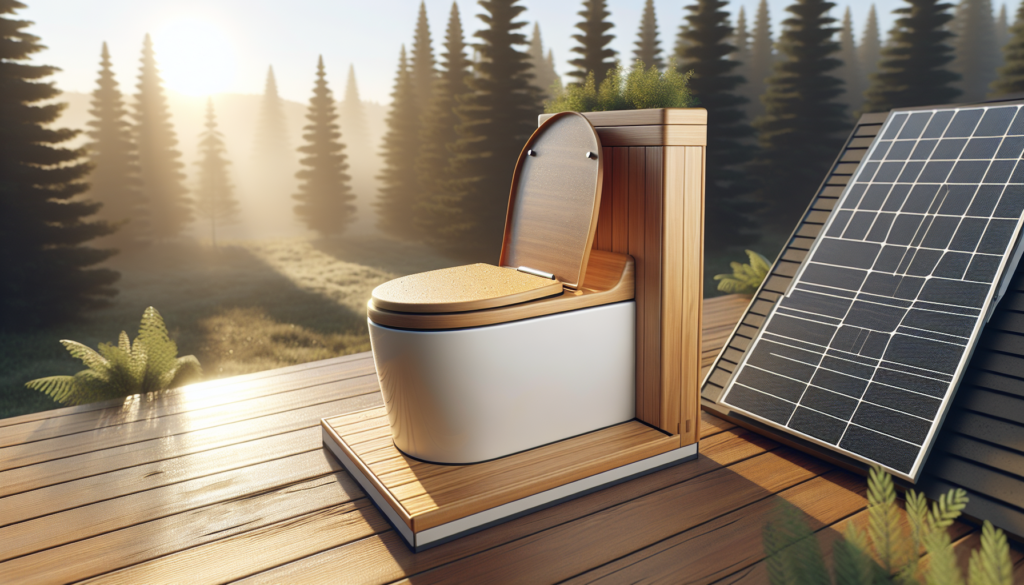
An incinerating toilet must be installed with adequate ventilation and fuel or power hookups. You’ll need space for the combustion chamber, ash storage, and possibly a dedicated exhaust to expel combustion gases safely. If you’re off‑grid with solar and battery storage, account for the electrical load in your system design.
Maintenance and user behavior
You’ll use the toilet daily, so maintenance and how easy it is to keep things sanitary matters.
Composting toilet maintenance
Maintenance involves adding bulking material, managing liquid drainage in some designs, stirring or mixing contents in certain systems, emptying finished compost, and cleaning surfaces. User behavior matters: regular bulking, avoiding excessive water, and following manufacturer guidelines keep odors low and decomposition effective.
Incinerating toilet maintenance
You’ll need to empty ash pans, clean combustion chambers occasionally, check and service burners or heating elements, and ensure ventilation and fuel systems are functioning safely. Burn cycles can take a few minutes to an hour, so you’ll adopt usage patterns to accommodate that downtime.
Odor control and comfort
You want a comfortable bathroom experience without persistent odors.
Odor in composting toilets
Properly managed composting toilets are usually low‑odor thanks to aerobic decomposition and ventilation. Problems arise if liquids accumulate, bulking material is insufficient, or ventilation is poor. Keeping the right carbon‑to‑nitrogen ratio and good airflow prevents anaerobic smells.
Odor in incinerating toilets
Incinerating toilets produce minimal odor during normal operation because waste is combusted quickly. You may notice odors while waste is accumulating before a burn or during the combustion cycle, but these are generally short lived if the unit is functioning properly.
Environmental impact
You’ll likely choose an option that aligns with your ecological values and resource constraints.
Composting toilets and environment
Composting toilets conserve water, reduce sewage discharge, and produce a carbon‑rich material that, when properly treated and used following regulations, can enrich soil. Potential negatives are methane or odor if improperly managed, and the need to ensure pathogen reduction before any agricultural use.
Incinerating toilets and environment
Incinerating toilets eliminate waste volume and sterilise pathogens, but use non‑renewable energy unless your off‑grid power is renewable. Emissions depend on combustion efficiency and fuel type; well‑designed units have low emissions, but you’ll still factor energy consumption and fuel sourcing.
Health and sanitation considerations
You’ll want to keep pathogens and contaminants from affecting you and your community.
Pathogen reduction in composting toilets
Pathogen reduction in composting toilets occurs mainly through time, heating, and microbial competition. Some high‑quality systems achieve thermophilic temperatures and longer curing times that kill most pathogens. Follow manufacturer guidance and local health regulations. If you plan to use finished compost on edible gardens, you’ll need strict adherence to safety standards.
Pathogen destruction in incinerating toilets
Incineration is a highly effective way to destroy pathogens if the system reaches sufficient temperatures for the appropriate duration. The result is sterile ash, reducing the risk of disease transmission. You still need to handle ash safely and ensure combustion systems are properly maintained.
Regulations, permits, and local rules
You’ll have to check local building codes, health department rules, and environmental regulations before installing either system.
Composting toilet regulations
Many jurisdictions allow composting toilets but have rules about their use, especially for disposing of treated material, proximity to water sources, and how they’re installed in permanent dwellings. Some areas may require permits for central systems or certain classes of composting toilets.
Incinerating toilet regulations
Incinerating toilets may be subject to emissions rules, fuel storage regulations, and building code requirements for combustion devices. You might need permits for gas lines or changes in electrical systems. Always verify with local authorities.
Practical scenarios: which fits which setup
You’ll make the best decision when you match toilet type to your specific off‑grid scenario.
Tiny house or RV
If you’re living in a tiny house or RV with limited battery or propane capacity, a self‑contained composting toilet is often the lowest energy, simplest fit. If you have a robust energy supply and prioritise hygiene with minimal handling, an electric or gas incinerating toilet can work but will strain limited power systems.
Remote cabin with no running water
A composting toilet is common for cabins because it conserves resources and can be managed with passive ventilation and minimal energy. If the cabin has reliable fuel supply and you want immediate sanitization, an incinerating toilet can be an option, but consider fuel and ventilation logistics.
Off‑grid homestead or permanent remote home
A central composting system may be practical if you have land and a plan for compost use or disposal. For households that prefer low handling and have sustainable energy or fuel, a larger incinerating unit could serve multiple users but comes with higher operating costs.
Waste handling and end products
You’ll want to know what happens to the waste and how to manage the output.
Composting toilet outputs
The end product of a composting toilet, when properly treated, is stabilized humus‑like material. If you use it on non‑edible landscaping or follow local rules, you can close a nutrient loop. For edible gardens, additional treatment and testing may be required to ensure safety.
Incinerating toilet outputs
Incinerating toilets produce sterile ash that’s easy to store and transport. The ash contains nutrients in low concentrations and may be disposed of in landfill, spread on land per regulations, or used in limited agricultural contexts if permitted. Because it’s sterile, you don’t have the pathogen concerns associated with untreated human waste.
Energy and fuel considerations
You’ll weigh the tradeoff between low energy (composting) and higher energy (incineration).
Energy for composting toilets
Most composting toilets use little to no energy. Some units use small fans for ventilation and occasional heaters or mixers. If you have very cold climates, you may need to insulate or add heat to maintain decomposition rates.
Energy for incinerating toilets
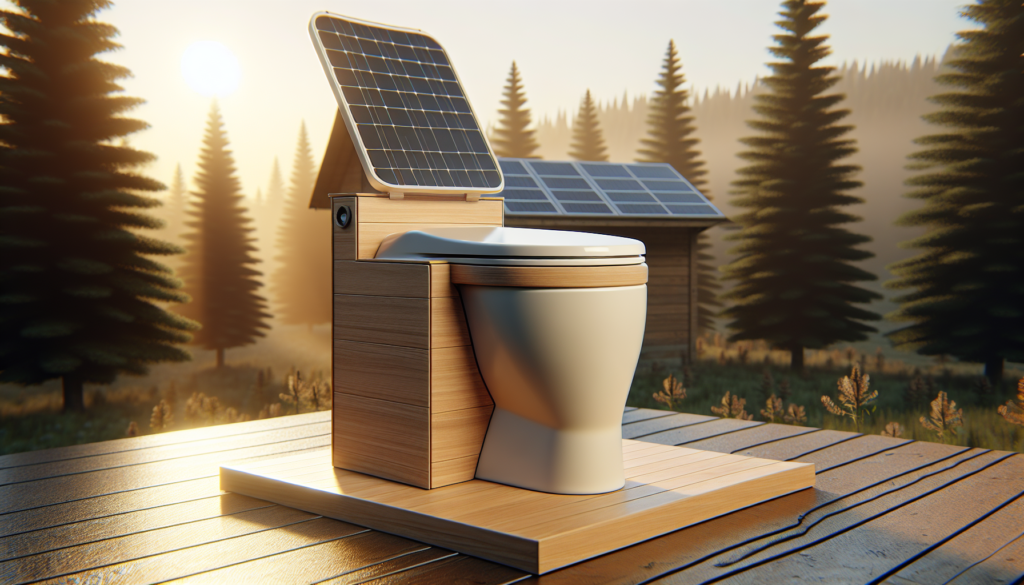
Incinerating toilets require enough energy to reach combustion temperatures. If you use electricity from batteries charged by solar panels, you’ll need to plan for high peak loads or dedicated fuel for burners. If you run a generator or use propane, plan for fuel storage and refills.
Odor, privacy, and user experience
You’ll want an easy, dignified experience.
User comfort with composting toilets
Comfort depends on system design — some models look and feel like a conventional toilet. If you’re diligent with bulking and ventilation, you’ll rarely notice bad odors. Some users enjoy the idea of producing usable compost.
User comfort with incinerating toilets
Incinerating toilets are familiar in operation (sit, flush or hide waste), and many models feel like conventional toilets. The burn cycle can generate heat and noise, and you’ll get an occasional brief odor during combustion, but those are generally short and contained.
Safety and emergency considerations
You’ll think about what happens when things go wrong.
Safety with composting toilets
Composting toilets pose low immediate safety risk. The main concerns are odors and potential for pathogen exposure if compost is handled improperly. Proper maintenance, gloves when handling compost, and clear user instructions mitigate these risks.
Safety with incinerating toilets
Because they involve combustion, incinerating toilets carry fire and gas risks. Proper installation, carbon monoxide monitoring, adequate ventilation, and manufacturer‑recommended servicing are important to maintain safety.
Decision checklist: pick the best fit
Use this checklist to narrow down which system fits your priorities.
- Do you have limited or no reliable energy? If yes, lean toward composting.
- Do you prefer minimal handling and immediate sterilization? If yes, consider incinerating.
- Is water conservation a top priority? Composting saves the most water.
- How many users will rely on the toilet daily? Incinerating units have capacity limits and energy needs; central composting scales better for more users.
- Are local regulations strict about human waste? Check before choosing — some areas restrict compost use.
- Do you have space for a remote composting tank? If not, an incinerating or self‑contained composting unit may suit better.
- What’s your budget for purchase and ongoing costs? Composting typically costs less overall.
- Do you mind adding bulking material regularly? If not, incinerating reduces daily handling.
Pros and cons summary
This quick reference helps you see strengths and weaknesses side by side.
| Aspect | Composting Toilet | Incinerating Toilet |
|---|---|---|
| Water use | Very low | Very low |
| Energy use | Low | High |
| Upfront cost | Low–moderate | Moderate–high |
| Ongoing cost | Low | Moderate–high (fuel/electricity) |
| Waste volume | Reduced, reusable compost | Minimal ash |
| Maintenance | Regular bulking, occasional emptying | Ash removal, servicing burners |
| Odor | Low if managed | Minimal |
| Pathogen control | Time and heat dependent | Immediate via combustion |
| Regulatory complexity | Moderate | Potential emissions/combustion rules |
Frequently asked questions
You’ll likely have lingering questions — here are practical answers.
- Can composting toilet compost be used on vegetable gardens?
- That depends on your local health regulations and how thoroughly the waste was treated. Many guidelines recommend using finished humanure only on non‑edible landscaping unless you can guarantee pathogen destruction and extended curing.
- Are incinerating toilets noisy?
- Some models produce noise during combustion and cooling, but many are designed to be reasonably quiet. Check user reviews for models you’re considering.
- Can I run an incinerating toilet on solar power?
- You can if your solar and battery system can handle high, short power draws. You may prefer fuel‑burning models if batteries are limited.
- Do composting toilets smell?
- Properly managed composting toilets are largely odorless. Odors usually mean poor ventilation, excess moisture, or lack of bulking material.
- Which is more sustainable?
- Composting toilets are often seen as more sustainable because they conserve water and create a resource. Incinerating toilets can be sustainable if powered by renewable energy but typically have higher energy demands.
How to evaluate specific models
You’ll choose a model by comparing capacity, footprint, energy requirements, maintenance needs, and user reviews.
- Check rated number of uses per day and per burn cycle.
- Look for reliable ventilation systems and easy access for cleaning.
- Verify materials and construction for durability.
- Read independent reviews for long‑term performance and manufacturer support.
- Confirm warranty and availability of replacement parts.
Final recommendation and next steps
You’ll pick the right system by aligning it with your priorities: water conservation, energy availability, handling preference, user count, and budget. If low energy use, low cost, and resource recovery matter most, a composting toilet usually fits best. If you prioritise immediate sanitation with minimal handling and you have the energy or fuel resources to support it, an incinerating toilet can be a strong option.
Next steps:
- Assess your energy sources (solar, generator, propane) and storage capacity.
- Determine the number of users and expected frequency.
- Check local rules on human waste treatment and combustion devices.
- Shortlist units, read user reviews, and ask manufacturers about off‑grid installations.
- If possible, test or visit installations to see real‑world performance.
Conclusion
You’ll find both composting and incinerating toilets offer viable off‑grid sanitation, but they serve different needs. Composting toilets favor low energy, resource recovery, and affordability; incinerating toilets favour rapid sterilisation and minimal handling at the cost of higher energy use. By weighing energy availability, maintenance willingness, environmental goals, and local regulations, you’ll be able to choose the system that fits your off‑grid lifestyle and keeps your sanitation efficient, safe, and comfortable.