
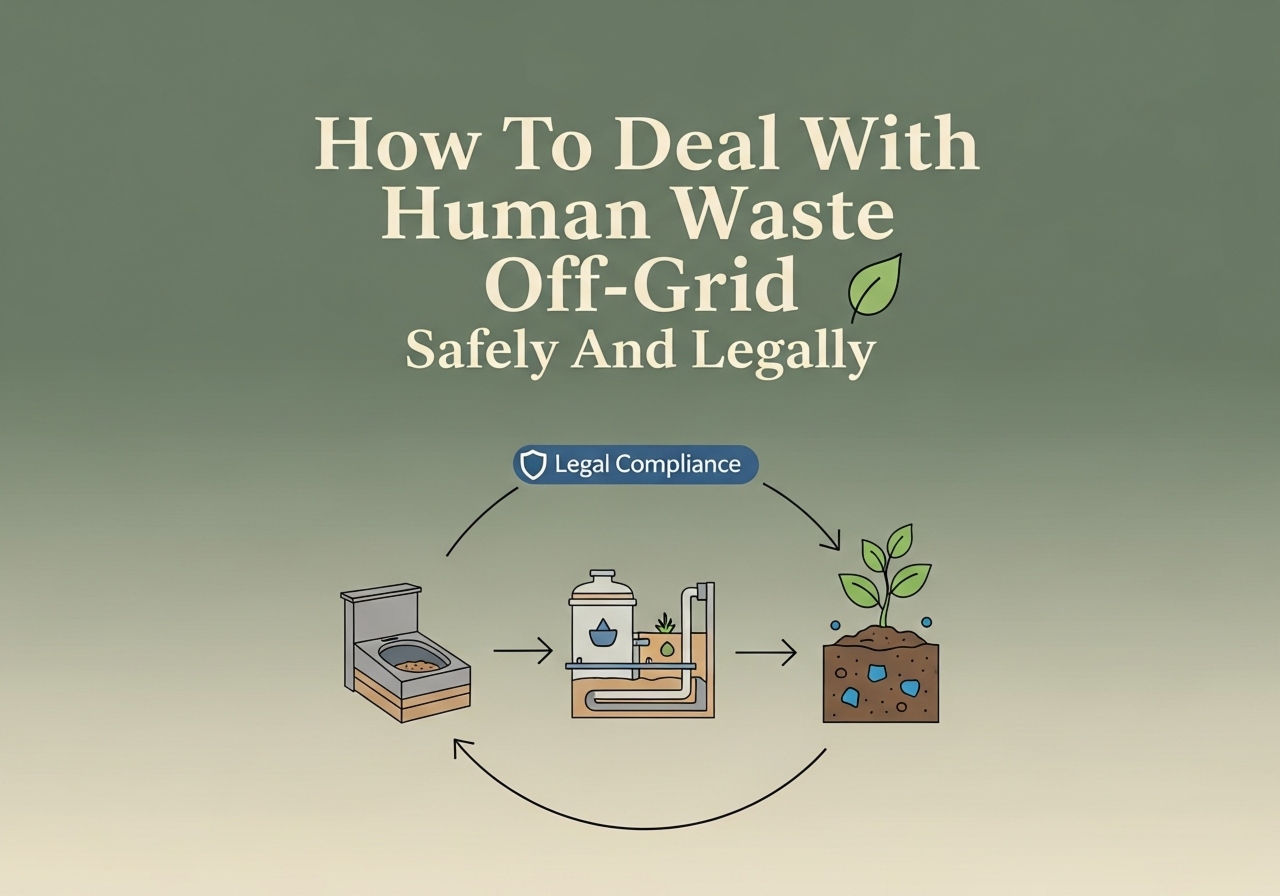
? Are you living off‑grid or planning to, and need a clear, safe, and legal plan for handling human waste?
How To Deal With Human Waste Off‑Grid Safely And Legally
Managing human waste off‑grid is one of the most important practical and legal challenges you’ll face. You need solutions that protect water, soil, and public health, fit your site and climate, and comply with local rules. This guide walks you through choices, construction basics, maintenance, pathogen control, legal checkpoints, and troubleshooting so you can make informed, responsible decisions.
Why proper management matters
You’ll protect human health and the environment when waste is treated or contained correctly. Improper disposal can contaminate drinking water, spread disease, attract pests, and lead to fines or forced remediation. Proper systems preserve soil and water quality and give you long‑term, reliable sanitation.
Start by assessing your site and needs
Before choosing a system, evaluate your site, climate, water availability, occupancy, budget, and willingness to maintain a system. A thoughtful assessment steers you to the right technology and helps you meet legal requirements.
- Check your property size, slope, and soil type (percolation if septic is considered).
- Find out groundwater depth and seasonal high water table.
- Know local weather extremes — freezing temperatures affect system choices.
- Estimate daily users and peak loads to size tanks, pits, or compost systems.
- Determine whether you want waterless, low‑water, or conventional flush systems.
Legal and permitting basics
You must consult local rules before installing any permanent facility. Regulations vary widely across counties, states, and countries, and they dictate allowable systems, setbacks, permits, inspections, and waste reuse.
- Contact your county or municipal health department and the building or planning department.
- Ask specifically about septic system rules, composting toilet approvals, and requirements for vault/pit toilets.
- Request written guidance if possible, so you have a record of what is approved.
- Learn about wastewater discharge, land application, and burial restrictions that apply to your property.
- Be aware that national guidelines (e.g., WHO, EPA) can inform safe practice but don’t replace local law.
Key selection factors
Choose a system based on these variables so it fits your life:
- Occupancy: single person vs family vs seasonal use.
- Water availability: do you want a waterless option or are flush toilets acceptable?
- Maintenance willingness: composting requires more active management than a sealed vault or incinerating toilet.
- Budget: installation and ongoing costs differ widely.
- Climate: freezing or wetland environments limit some options.
- Legal constraints: some jurisdictions ban pit latrines or untreated land application.
Comparison of common off‑grid sanitation systems
This table gives a practical comparison of popular options, so you can weigh pros, cons, and legal considerations.
| System | How it works | Pros | Cons | Typical legal/permit notes |
|---|---|---|---|---|
| Composting toilet (self-contained or central) | Separates and biologically stabilizes solids with carbon bulking agent | Waterless or low‑water, nutrient recycling, low odor if managed | Requires active maintenance, space for composting, time for pathogen reduction | Often allowed if certified (look for standards & local approval) |
| Urine‑diverting dry toilet (UDDT) | Separates urine and feces; urine stored/used, feces composted | Efficient, reduces odor, urine can be used as fertilizer after treatment | Requires separate handling and storage, user training | Increasingly accepted; check rules for urine reuse |
| Pit latrine / cesspit | Shallow pit collects feces, sometimes with simple slab | Simple, low cost, low tech | Contaminates groundwater if improperly sited; fills and needs closure | Often regulated or restricted in populated areas and vulnerable aquifers |
| Vault toilet | Sealed belowground tank periodically pumped | Simple, minimal ground contamination if sealed | Needs regular pumping; can be costly | Commonly permitted if tank meets standards and pumping arranged |
| Septic system | Onsite treatment with tank and leach field for effluent dispersal | Proven method for full‑time homes with water toilets | Requires correct soil and space, ongoing maintenance | Heavily regulated; permits, inspections routinely required |
| Incinerating toilet | Burns waste to sterile ash with electricity/fuel | Compact, immediate pathogen destruction, minimal residuals | Energy intensive, costlier units, requires fuel source | May be allowed without wastewater rules; check emissions/local codes |
| Portable / chemical toilet | Collection tank with chemicals to suppress odor | Good short‑term option, no ground contamination if emptied properly | Periodic emptying and disposal; chemicals can complicate disposal | Allowed for temporary sites; disposal must meet waste rules |
Site selection and setbacks
Where you put a toilet, pit, vault, or leach field matters. Proper siting reduces risk to water sources and neighbors and often determines whether a permit will be granted.
- Keep facilities uphill and away from wells, springs, streams, and other water bodies.
- Leave at least several dozen meters (tens of meters) between a disposal point and water; common guidance includes 30 m (about 100 ft) or more depending on site conditions. Local rules often specify exact distances.
- Avoid low‑lying areas and floodplains that can flood and spread contamination.
- Ensure seasonal high water table is well below pits or leach lines.
- Maintain access for maintenance vehicles if tanks need pumping.
Use the table below as practical guidance, but always check local rules for exact numbers.
| Feature | Recommended minimum distance (typical guidance) | Notes |
|---|---|---|
| Surface water (streams, lakes) | ≥ 30 m (≈100 ft) | More distance recommended for sloping sites or permeable soils |
| Private well or spring | 30–60 m (100–200 ft) | Hydrogeology can change minimum; local code may mandate a different setback |
| Property lines / neighbors | 10–30 m (30–100 ft) | Respect local privacy and nuisance rules |
| Trails / camps | ≥ 60 m (≈200 ft) | For backcountry catholes follow Leave No Trace guidance |
| Seasonal high water table below facility | > 1 m (3 ft) | Some systems require greater vertical separation |
Composting toilets — how they work and how to manage them
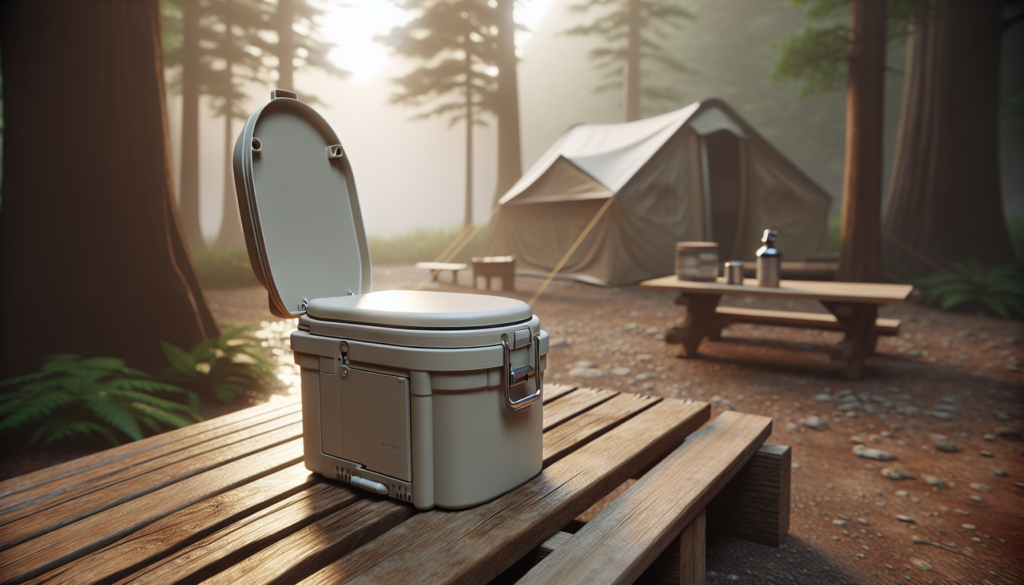
Composting toilets transform feces and toilet paper into stable compost through biological decomposition. You provide carbon material (sawdust, leaf mold), manage moisture and aeration, and allow time for pathogen reduction.
- Choose between self‑contained units (toilet and composting chamber together) and central systems (collector under a building or in a separate vault).
- Add a carbon bulking agent after each use to cover fresh material and control odor.
- Maintain correct moisture: material should be damp but not soggy. Excess moisture slows composting and attracts flies.
- Provide ventilation and a vent stack with a small fan to remove odors and maintain aerobic conditions.
- Monitor compost temperature and moisture if you want faster pathogen reduction.
Pathogen control and timing:
- Thermophilic composting (sustained temperatures above ~55°C) significantly reduces pathogens in days to weeks; sustained heat and mixing improves results.
- Cold or passive composting requires longer storage — at least 12 months is a common conservative timeframe before using compost on non‑food landscapes; cold climates require even longer.
- Never use untreated human feces on crops that are eaten raw. Follow local health guidance if you intend to reuse compost.
Urine diversion and urine use
Urine is rich in nitrogen, phosphorus, and potassium. Separating urine reduces odors and volume for solids composting and gives you a potentially useful fertilizer if handled safely.
- Store urine in sealed containers and dilute before application — a common dilution is 10:1 water to urine for use on crops, but needs vary by crop and soil tests.
- Storage for several months at ambient temperatures reduces pathogen risk further; WHO and many sanitation experts recommend storage times that vary with temperature — longer storage at low temperatures and shorter at higher temperatures. Check authoritative guidelines for exact periods.
- Avoid applying urine to crops eaten raw without appropriate treatment or storage and follow local regulations about using human‑derived fertilizers.
- Use urine on non edible plants and trees if you want a low‑risk use.
Pit latrines and vaults — design and closure
Pit latrines are a traditional, low‑cost option but require careful siting and eventual closure. Vault toilets are sealed tanks that hold waste until emptied.
Pit latrine basics:
- Line the pit if soils are unstable — a concrete or masonry ring can help.
- Provide a sturdy slab with a vented superstructure for privacy and odor control.
- Protect against surface runoff entering the pit.
- Avoid pits where groundwater is close to the surface or in floodplains.
Pit closure:
- When a pit fills, close it by covering contents with at least 1 m (3 ft) of soil and marking the location.
- Do not excavate or reuse the material without treatment.
- Follow local regulations for closure and long‑term monitoring.
Vault toilet basics:
- Use sealed tanks sized for anticipated use and arranged for pump‑out at appropriate intervals.
- Provide a reliable pump‑out plan with licensed liquid waste haulers and a legal disposal site.
- Inspect seals and vents regularly to prevent leaks into the ground.
Septic systems and leach fields
Septic systems are the standard for many full‑time off‑grid homes with waterborne toilets. They require proper design, suitable soils, and maintenance.
- Have perc/percolation tests and soil profiles performed by a qualified professional for system sizing and leach field design.
- Septic tanks should be pumped periodically— frequency depends on tank size and household use (commonly every 3–5 years).
- Protect leach fields from compaction, heavy loads, tree roots, and surface runoff.
- Use septic‑safe products and avoid excess grease or non‑biodegradable materials.
Legal notes:
- Permits and engineered designs are often required. Never install a septic system without approval from the local permitting authority.
Incinerating and electric toilets
Incinerating toilets combust waste into sterile ash. They’re suitable where you want minimal residuals and have an energy source.
- They eliminate pathogens and greatly reduce volume.
- Consider fuel availability, emissions, noise, and cost.
- Some jurisdictions limit emissions; check for rules on combustion devices.
Portable and short‑term options
For temporary camps, building sites, or events, portable toilets and pack‑out systems are practical.
- Use certified portable units and arrange for regular service and disposal at permitted facilities.
- For remote backpacking, follow Leave No Trace: pack‑out bags, or catholes for low‑impact disposal where allowed (cathole 15–20 cm / 6–8 inches deep, at least 60 m / 200 ft from water and trails).
- For longer remote stays, plan for a sealed vault or urine‑diverting container.
Managing children’s and menstrual waste, diapers, and non‑degradable items
These items require specific attention to avoid disrupting systems and to meet health considerations.
- Disposable diapers: don’t compost with humanure; place them in sealable bags for disposal in municipal trash if allowed, or use special waste programs.
- Menstrual products: conventional pads and tampons often contain plastics; avoid composting them. Consider reusable cloth pads or menstrual cups to reduce waste.
- Sanitary wipes and other non‑biodegradable items should not be flushed into septic systems or included in composting toilets; they should be bagged and placed in trash.
- For disposal-sensitive sites, consider incineration options or sealed waste containers.
Odor, fly, and pest control
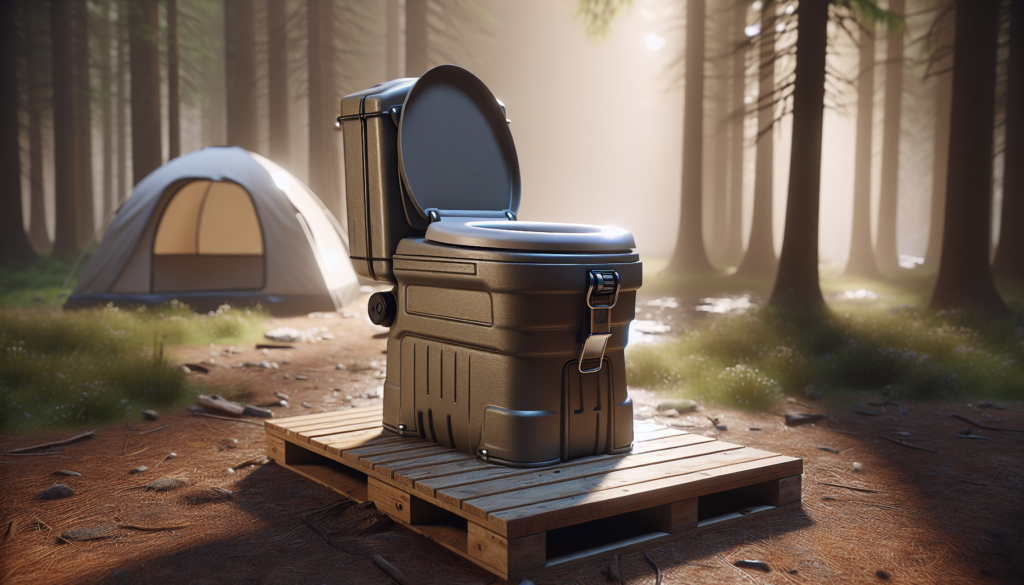
You’ll reduce nuisance and health risks by managing moisture, covering fresh material, and providing barriers.
- Always add a carbon cover (sawdust, straw, leaf mulch) to new deposits if using dry composting toilets.
- Keep liquids separate from solids where feasible; excess moisture creates odors and attracts flies.
- Use sealed lids, vent stacks with fly screens, and properly sized entrances to limit pest entry.
- Avoid using strong chemical odor masks that can harm beneficial composting organisms.
Pathogen control — temperature, time, and treatment
Pathogens in human waste include bacteria, viruses, protozoa, and helminths. Treatment aims to reduce these risks before reuse or release.
- Time and temperature are the primary controls in composting: thermophilic conditions (warm, aerobic) are highly effective over days to weeks; longer cold composting times (often 12 months or more) are used where thermophilic conditions aren’t reached.
- Incineration and high heat instantly destroy pathogens.
- Urine storage and dilution reduce risk but do not eliminate all hazards without appropriate storage times and handling.
- For irrigation or use on food crops, follow conservative rules: prefer using treated or well‑composted material only on non‑edible plants or for soil restoration unless local regulations permit otherwise.
Winter and freezing conditions
Cold climates present extra challenges for biological systems and pumping.
- Composting slows when temperatures drop; insulate compost chambers or design systems to maintain heat through microbial activity and insulation.
- Vaults and tanks can freeze; bury tanks below frost line or use heat tracing if needed.
- Consider alternative systems (incineration, active composting with insulation) for year‑round use.
Monitoring, maintenance, and recordkeeping
Consistent maintenance keeps your system safe and legal. Keep records of permits, inspections, pump‑outs, composting cycles, and any disposal receipts.
- Set a maintenance calendar for pumping, compost turnings, carbon additions, and inspections.
- Monitor odors, liquid levels, emergence of flies, and changes in compost appearance.
- Keep receipts and logs for regulatory compliance and resale value.
Decommissioning a system
When you close or replace a system, decommissioning correctly prevents future contamination and liabilities.
- For pits, properly cover and cap with soil and follow local rules for marking.
- For septic systems, empty the tank, remove or collapse the leach field if required, and document closure with authorities.
- For compost systems intended to be used as soil amendment, ensure compost has met safe treatment times and temperatures or dispose of solids at a permitted facility.
Emergency and temporary hygiene options
If your primary system fails or you’re in a disaster situation, follow low‑risk temporary practices.
- Use sealed, labeled containers for human waste and arrange disposal at a permitted facility when possible.
- For short durations outdoors, use catholes (6–8 inches deep) at least 60 m from water and trails; pack out toilet paper where required.
- Provide handwashing stations with soap or alcohol‑based sanitizer for hygiene.
How to get professional help
When in doubt, hire professionals. Septic designers, soil scientists, licensed installers, and permitted waste haulers can help you meet legal requirements and avoid costly mistakes.
- Ask for references and proof of permits/inspections for past projects.
- Get multiple quotes and check local reviews or community referrals.
- Request written plans and agreements about pump‑out frequency and disposal site credentials.
Troubleshooting common problems
A few common issues often have straightforward fixes.
- Persistent odor: Increase carbon cover, reduce moisture, improve ventilation, or add more aerobic conditions.
- Flies: Ensure a tight lid, use fine mesh over vents, and add adequate carbon cover.
- Slow decomposition: Check moisture (too wet or too dry), increase aeration, add nitrogen or carbon to balance, or insulate to keep temperatures higher.
- Groundwater contamination: Stop using the system, contact authorities, and have a professional assess leach fields and wells.
Decision checklist before you install
- Have you contacted local health and building authorities and reviewed applicable rules?
- Did you assess soil, slope, and groundwater depth?
- Have you evaluated occupancy, water availability, and maintenance capabilities?
- Do you have a maintenance plan and budget for ongoing costs?
- Is your planned system acceptable to neighbors and local authorities?
Useful quick reference tables
System suitability matrix — quick help to narrow options.
| Situation | Best options to consider |
|---|---|
| Seasonal cabin with low occupancy and no water | Composting toilet, UDDT, portable/pack‑out |
| Full‑time home with flush toilets | Septic system (engineered), possibly composting with permitted design |
| Remote short trips / backpacking | Pack‑out bags, catholes where allowed |
| High groundwater or floodplain | Incinerating toilet, sealed vault with pump‑out, or move site |
| Desire to recycle nutrients safely | Properly managed composting toilet or UDDT with treated urine reuse (follow guidelines) |
Pathogen treatment comparison — approximate guidance for planning (follow local rules for exact requirements).
| Treatment method | Typical pathogen reduction / notes |
|---|---|
| Thermophilic composting (>55°C) | High reduction in days to weeks when managed and mixed |
| Cold composting / storage | Requires 12 months or more; longer in cold climates |
| Incineration | Immediate destruction of pathogens |
| Urine storage | Reduces bacterial/viral risk over months; dependent on temperature |
| Septic solids in tank | Some reduction, but sludge requires further treatment/landfill |
Final recommendations
You have choices when living off‑grid, but safety and legal compliance must come first. Start by checking local rules and evaluating your site. Choose a system that fits your occupancy, climate, maintenance willingness, and budget. If you plan to reuse nutrients, follow conservative treatment times and regulatory guidance. When in doubt, hire professionals for design and permitting, and keep thorough records of maintenance and disposal.
If you want, I can help you create a site assessment checklist tailored to your property, compare specific models of composting or incinerating toilets, or draft a list of questions to take to your local health department.