
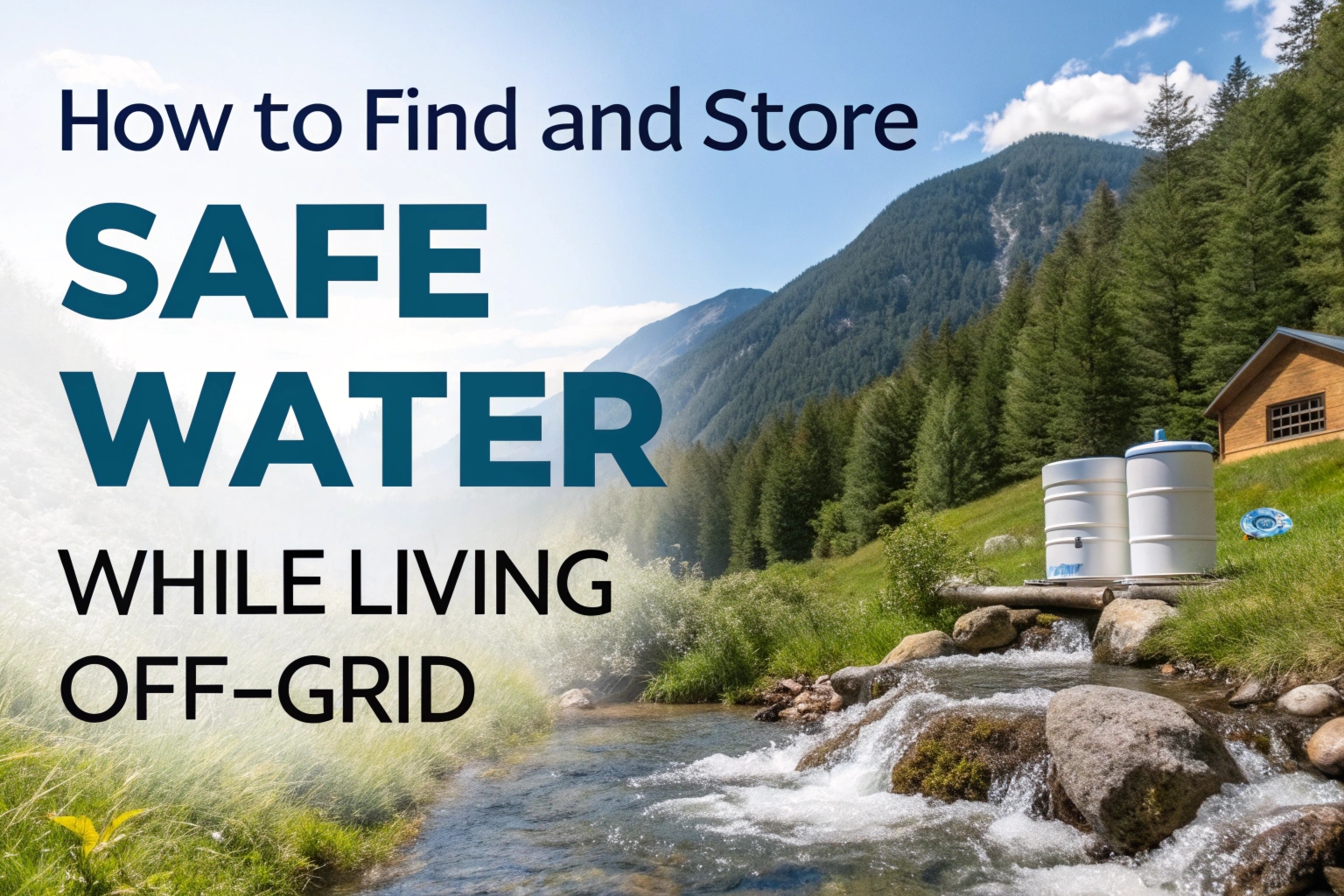
Do you know where your next safe glass of water will come from when you’re living off‑grid?
How To Find And Store Safe Water While Living Off‑Grid
Finding and storing safe water off‑grid is one of the most important skills you can develop. You’ll need reliable sources, effective treatment methods, and proper storage practices to protect your health and maintain a comfortable lifestyle.
Why water planning matters for off‑grid living
Off‑grid life often places you farther from municipal systems and emergency backups, so your water choices must be intentional. A good plan reduces risk, saves money, and gives you peace of mind when weather or access changes.
Assessing your local water options
Before you choose systems or purchase equipment, you must evaluate the water resources available near you. Each source has pros and cons related to reliability, quality, and cost.
Surface water: rivers, streams, ponds, and lakes
Surface water is often the easiest to access, but it’s the most vulnerable to contamination from runoff, animals, and seasonal changes. If you use surface water, you’ll need robust treatment to remove pathogens and suspended particles.
Groundwater: wells and springs
Groundwater from wells and springs can be very clean, especially from deep aquifers, but quality varies by geology and nearby land use. You may need to test for microbes, minerals (hardness), and contaminants like nitrates or arsenic.
Rainwater harvesting
Rainwater is a renewable, low-cost option if your climate provides enough precipitation and you have proper collection. You’ll need good roofing, gutters, first‑flush diverters, and storage that prevents contamination and stagnation.
Delivered or hauled water
If natural sources are sparse, you can haul or have water delivered in tanks or drums. This option provides predictable quality if the supplier is trustworthy, but it’s costly and requires safe storage once on site.
Municipal or shared hookups (if available)
Some off‑grid setups maintain optional hookups for municipal water when available. This keeps options flexible but may still require on‑site storage in case of interruptions.
Testing water quality: what you need to know
Testing tells you what contaminants are present and which treatment methods you must use. Regular testing is essential, especially for wells, springs, and rainwater systems.
Basic indicators you can check yourself
You can use sight, smell, and taste as initial indicators: discoloration suggests particulates or metals, sulfur smells indicate hydrogen sulfide, and a chemical taste could mean contaminants. These signs are only preliminary; laboratory tests confirm specifics.
Home testing kits and electronic meters
Home test kits can measure bacteria (presence/absence), nitrates, pH, chlorine, and some metals. TDS (total dissolved solids) meters give a quick sense of dissolved minerals but don’t identify specific harmful compounds. Use these tools for routine monitoring.
When to send samples to a lab
If your water tests positive for coliform bacteria, high nitrates, heavy metals (lead, arsenic), or if you suspect chemical contamination, send samples to a certified lab. Labs provide reliable, quantitative results and recommendations.
Water treatment methods: remove risks before storage
Treating water before storage reduces biological growth and chemical reactions while improving safety. Often you’ll need more than one method—filtration plus disinfection works best for mixed contaminants.
Boiling
Boiling is simple and kills bacteria, viruses, and parasites. Boil water for at least one minute at sea level and three minutes above 2,000 meters (6,562 feet). Boiling doesn’t remove chemical contaminants or particulates.
Chemical disinfection: chlorine, chlorine dioxide, iodine
Chemical disinfectants are lightweight and effective against most pathogens. Household bleach (unscented sodium hypochlorite) at correct concentrations is common: about 8 drops (0.5 mL) of 6% bleach per liter yields safe drinking water after 30 minutes. Follow manufacturer instructions and be aware of byproducts when treating chemically contaminated sources.
Filtration (mechanical)
Filters remove particulates, bacteria, and protozoa depending on pore size (micron rating). A 0.2–0.3 micron filter will remove bacteria and protozoa but not viruses. Use combined approaches (filter + disinfectant or UV) to achieve broad protection.
UV and solar disinfection (SODIS)
UV light systems (electronic or solar) inactivate microbes when used on clear water with low turbidity. It’s fast and chemical‑free but requires power for electronic units and clear water for solar methods. SODIS uses PET bottles and direct sunlight for several hours; it’s low-tech but weather dependent.
Distillation
Distillation removes most contaminants including salts and many heavy metals; it’s energy intensive but effective for chemical contamination. Choose distillation if you suspect dissolved chemicals or need very pure water for specific uses.
Table: Common water treatment methods and what they remove
| Method | Removes Bacteria | Removes Viruses | Removes Protozoa | Removes Sediment | Removes Chemicals | Typical Uses |
|---|---|---|---|---|---|---|
| Boiling | Yes | Yes | Yes | No | No | Emergency, short-term |
| Chlorine bleach | Yes | Moderately | Moderately | No | No | Routine disinfection |
| Chlorine dioxide | Yes | Yes | Yes | No | Limited | Broader chemical disinfection |
| 0.2–0.3 μm filter | Yes | No | Yes | Yes | No | Primary particulate/pathogen removal |
| Activated carbon | No | No | No | Some | Many organic chemicals, chlorine | Taste/odor and chemical adsorption |
| UV (electronic) | Yes | Yes | Yes | No (needs clear water) | No | Household systems with power |
| SODIS | Yes | Yes | Yes | No (needs clear water) | No | Low-cost, sunny climates |
| Distillation | Yes | Yes | Yes | Yes | Yes (most) | Chemical contamination or total purification |
Choosing treatment combinations
Your safest approach typically combines physical filtration to remove turbidity and protozoa, followed by chemical or UV disinfection to inactivate viruses and remaining bacteria. If chemical contamination is suspected, add activated carbon or distillation.
Example system setups
- Surface water: prefilter (5–10 μm) → 0.2 μm filter → UV or chlorination.
- Well water with sediments: sediment filter → activated carbon → softening or reverse osmosis (if needed) → UV.
- Rainwater: first flush diverter → 1 μm filter → UV or chlorination → storage.
Calculating how much water you need
Plan both daily needs and storage for outages. Your requirements vary by climate, season, and lifestyle.
Daily per‑person guidelines
For drinking and cooking, plan on 2–4 liters (0.5–1 gallon) per person per day. For hygiene and basic household needs, plan an additional 20–50 liters (5–13 gallons) per person per day depending on water‑use habits. If you plan to grow food or have livestock, add their water needs.
Storage target recommendations
For emergency reserves, store a minimum of 3 days of water for basic survival and 2 weeks for more comfortable living. Many off‑grid households aim for 1–3 months of stored water, particularly in areas where resupply is difficult.
Table: Sample storage calculation for a household of four (per day and 14 days)
| Use | Per Person Per Day | Household (4 people) Per Day | 14‑day Household Total |
|---|---|---|---|
| Drinking/cooking | 4 L (1.05 gal) | 16 L (4.2 gal) | 224 L (59.0 gal) |
| Hygiene/household | 25 L (6.6 gal) | 100 L (26.4 gal) | 1,400 L (370 gal) |
| Total | 29 L (7.65 gal) | 116 L (30.6 gal) | 1,624 L (429.0 gal) |
Adjust these numbers to your needs and local climate.
Storage materials: choose containers carefully
The material of your tanks and containers affects taste, chemical leaching, durability, and light penetration.
Common storage materials and properties
- Food‑grade HDPE (high‑density polyethylene): lightweight, durable, inexpensive, widely used for barrels and jerrycans. It’s opaque, which limits algae growth.
- Glass: inert and nonreactive but heavy and breakable. Good for long‑term small‑volume storage.
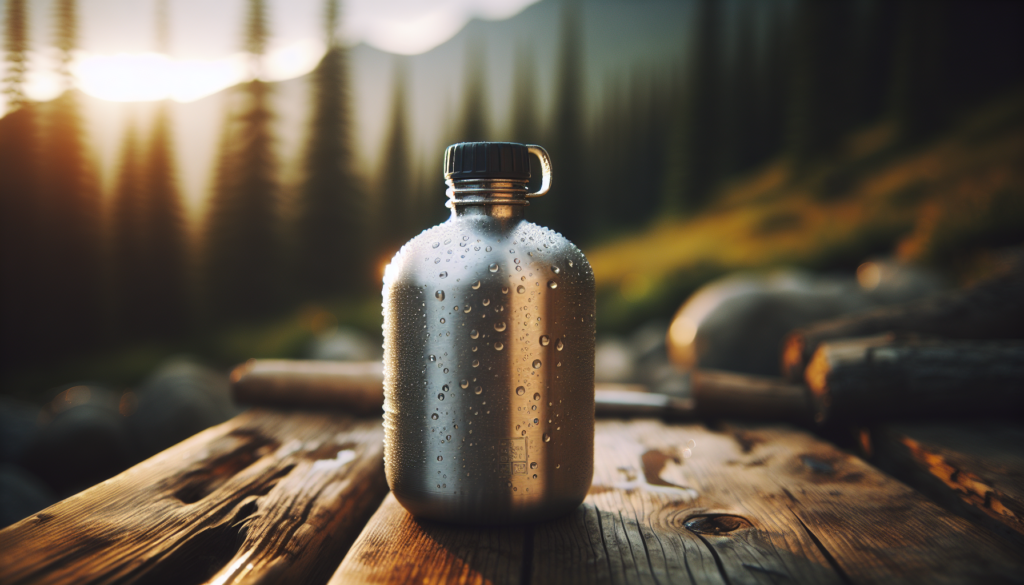
- Stainless steel: durable, inert, and more resistant to contamination than many plastics. Costly and heavier.
- Fiberglass/GRP: used for large tanks; robust but must be lined if not rated for potable water.
- Concrete: often used for cisterns; durable and cost effective for large volumes but may leach alkalinity and needs internal coating for potable water.
Table: Pros and cons of common storage types
| Material | Pros | Cons | Typical use |
|---|---|---|---|
| HDPE plastic | Cheap, lightweight, opaque | Can absorb odors, limited lifespan | Barrels, jugs, mobile tanks |
| Glass | Inert, long shelf life | Breakable, heavy | Small‑volume long‑term storage |
| Stainless steel | Durable, inert, sanitary | Expensive, heavy | Tanks, pressurized systems |
| Concrete | Cheap for large volumes | Potential leaching, porosity | Underground cisterns |
| Fiberglass | Durable, custom shapes | Requires proper lining | Large aboveground tanks |
Tank sizing, placement, and protection
Location and installation affect water quality, system reliability, and maintenance ease.
Aboveground vs underground tanks
Aboveground tanks are easier to inspect and maintain but are more vulnerable to temperature swings and sunlight. Underground cisterns maintain cooler temperatures and are protected from freezing in many places, but they are costlier to install and harder to access.
Siting considerations
Siting should consider gravity-fed distribution, slope, sunlight exposure, access for deliveries, and distance to your household and treatment. If you rely on gravity flow, place storage higher than the point of use; pumps are required otherwise.
Protecting tanks from contamination and pests
Seal openings, use screens on vents, maintain a locked fill point, and keep surrounding areas free from animal traffic. For rainwater systems, clean roofs and gutters, and use first‑flush diverters to reduce contamination entering tanks.
Maintenance schedule and sanitation
Regular maintenance prevents biological growth, sediment buildup, and mechanical failures.
Routine checks
Inspect tanks monthly for leaks, screens, and integrity. Test water quality quarterly or after heavy rains and seasonal events. Check filters, UV lamps, and chemical dosers according to manufacturer recommendations.
Cleaning and sanitizing storage
Sanitize tanks at least once per year, more often if contamination is suspected. A common method uses household bleach: drain the tank, prepare a bleach solution (roughly 50–200 ppm free chlorine depending on tank size; consult specific guidance), scrub accessible surfaces, let disinfectant sit for several hours, then drain and flush until no chlorine odor remains.
Pumps and distribution systems
Moving water across your property requires pumps and piping that match your power situation.
Pump types for off‑grid systems
- Manual hand pumps: reliable and simple for shallow wells or small systems.
- Windmills: useful in windy locations; limited to certain well types.
- Electric pumps (AC/DC): common with solar arrays or batteries; select pumps sized for head and flow requirements.
- Submersible pumps: common for deep wells; efficient and quiet.
Sizing and head calculation
Calculate total dynamic head (vertical elevation + friction losses) and choose a pump that delivers required flow at that head. Oversizing wastes power, undersizing limits supply.
Freezing, heat, and environmental challenges
Climate affects storage and treatment choices.
Preventing freezing
Insulate aboveground tanks, bury them below frost line, or install tank heaters for very cold climates. For pipes, use heat cable and insulation in exposed runs.
Managing high temperatures
High temperatures promote bacterial growth. Shade tanks, paint them reflectively, or place tanks underground to maintain cooler temperatures.
Emergency water strategies and redundancy
You should have at least two independent ways to obtain safe water: a primary system and one or more backups.
Redundancy examples
- Primary: Well with pump + UV treatment. Backup: gravity cistern filled from well or hauled water.
- Primary: Rainwater cistern. Backup: stored potable barrels and a portable filtration kit.
- Primary: Delivered water with storage. Backup: boil and chemical kits or local natural source with treatment.
Portable emergency gear
Keep portable filters (e.g., pump filters, straw filters), chemical tablets, and a small stove for boiling in case your main system fails.
Water for gardening and livestock
You’ll likely need more water for food production and animals than for personal use.
Prioritizing uses
If water is limited, prioritize drinking and cooking first, then livestock and critical gardening. Consider drip irrigation, mulching, and drought‑tolerant crops to conserve water.
Reuse and greywater systems
Treat and reuse greywater from sinks and showers for irrigation (not for edible parts eaten raw) using simple diversion systems and constructed wetlands for treatment. Always follow safe greywater practices to protect soil and plants.
Legal and environmental considerations
Depending on where you live, water rights and regulations may restrict well drilling, spring capture, or rainwater harvesting.
Check local laws and permits
Before installing wells, large cisterns, or diversion works, check local water rights, building codes, and permitting requirements. Complying up front avoids fines and legal headaches.
Environmental stewardship
Avoid over‑pumping groundwater or negatively impacting downstream users and ecosystems. Capture rainwater responsibly and be mindful of runoff and erosion.
Cost considerations and budgeting
Water systems range from very cheap (jerrycans and purification tablets) to highly expensive (drilled well and RO system). Build a budget that includes installation, annual maintenance, replacement parts, and testing.
Typical cost ranges (approximate)
- Basic portable filter and tablets: $30–$300.
- Rainwater catchment with small cistern and basic filter: $500–$5,000.
- Drilled well and pump: $3,000–$15,000+ depending on depth and region.
- Whole‑house filtration and pressure tanks: $1,000–$10,000.
Practical day‑to‑day habits for safe water
Your daily habits greatly affect water safety and system longevity.
Handling and filling containers
Wash hands before handling containers, use clean spigots, and avoid dipping dirty tools into storage tanks. Label potable vs non‑potable taps to avoid cross‑contamination.
Monitoring taste, smell, and use
If water tastes or smells unusual, stop using it for drinking and run tests. Keep a log of treatments, test results, and maintenance tasks for easier troubleshooting.
Troubleshooting common problems
Knowing how to respond saves time and protects health.
Cloudy or discolored water
Check prefilters and sediment. If discoloration persists, test for iron, manganese, or organic matter and consider flushing or chemical treatment.
Bacterial contamination
If tests show coliforms, disinfect the system (shock chlorination for wells), clean storage, and fix entry points for contamination.
Low flow or pump failure
Check for clogged filters, air leaks, or electrical issues. Keep spare parts and a manual pump option where possible.
Checklist: Setting up a reliable off‑grid water system
Follow this checklist to create a resilient water system:
- Assess available water sources and seasonal reliability.
- Test water quality (initial and periodic).
- Select treatment(s) appropriate for identified contaminants.
- Choose storage material and size based on household needs.
- Install pumps and distribution sized to your head and flow needs.
- Provide redundancy and emergency portable treatment.
- Create a maintenance and testing schedule.
- Keep spare parts, chemicals, and tools on hand.
- Comply with local regulations and practice environmental stewardship.
Final thoughts and next steps
You can create a safe, sustainable water supply off‑grid with planning, testing, and routine care. Start by assessing your site and testing water quality, then prioritize simple, reliable treatment and storage. Build redundancy to protect against failures, and adopt habits that reduce contamination and conserve water. With proper systems and regular maintenance, you’ll have dependable water that supports your off‑grid life comfortably and safely.