
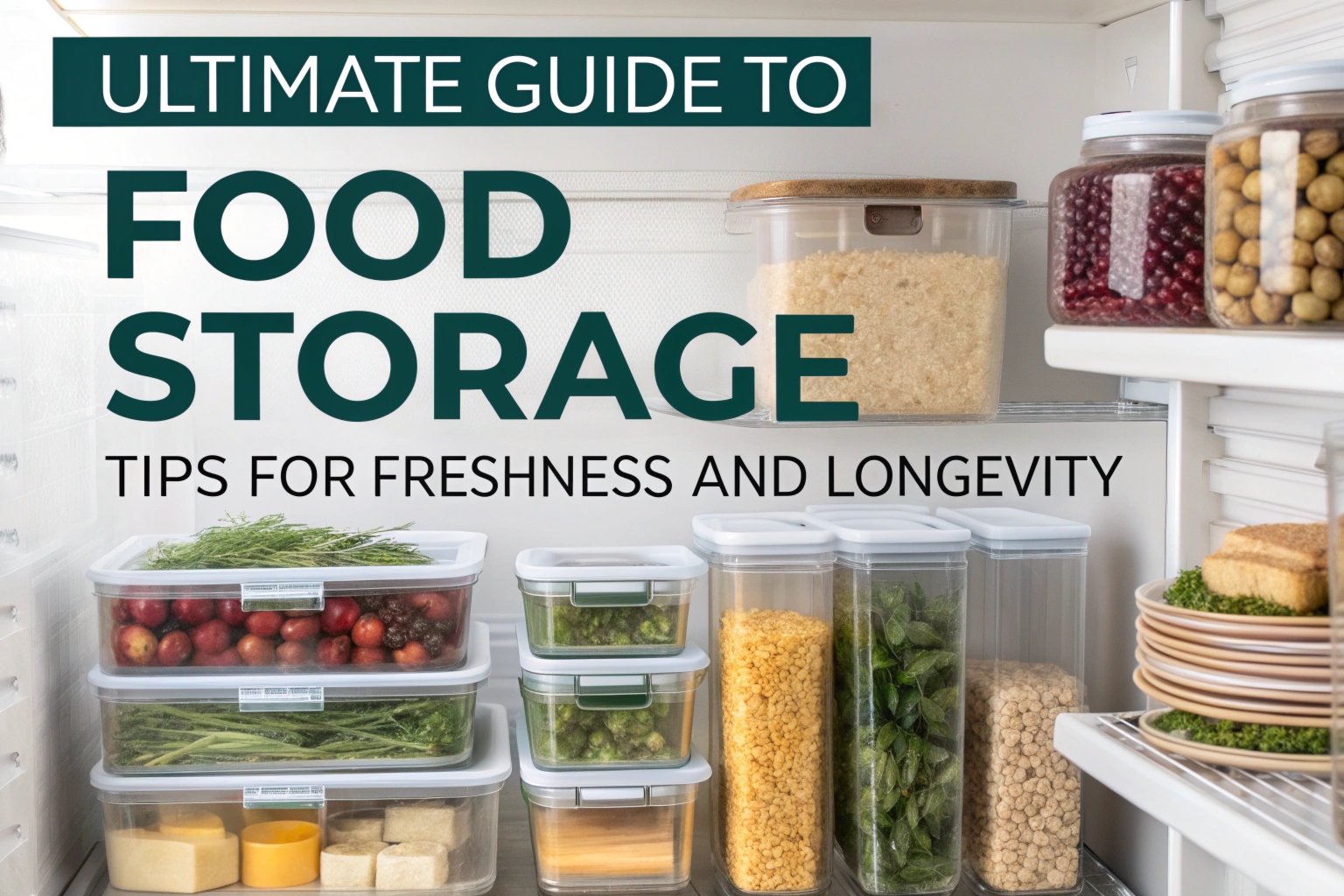
Are you ready to keep your groceries tasting better, lasting longer, and wasting less?
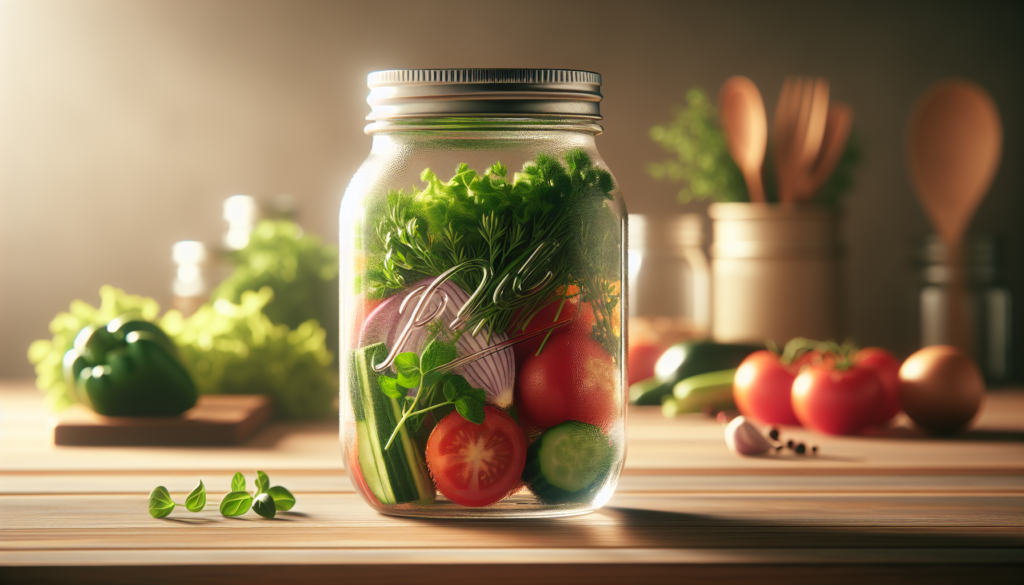
Ultimate Guide To Food Storage: Tips For Freshness And Longevity
This guide gives you practical, science-backed methods to keep food fresh and safe, whether it’s for everyday use or long-term preparedness. You’ll get clear steps for refrigeration, freezing, pantry storage, preservation techniques, and smart organization so your food stays flavorful and nutritious.
Why proper food storage matters
Good storage protects the quality, safety, and nutrition of food. When you store food correctly, you reduce waste, save money, and avoid unnecessary trips to the store while keeping your household healthier.
The basic principles of food preservation
You need to control four things: temperature, moisture, light, and air. By limiting bacterial growth, oxidation, and moisture loss or gain, you’ll extend shelf life and maintain flavor.
Temperature control: the single most important factor
Temperature dictates how fast bacteria grow and enzymes act on food. You’ll want to maintain consistent temperatures tailored to each storage method to slow spoilage and keep food safe.
Recommended temperature ranges
Keeping food at the right temperature is vital for safety and quality. Use an appliance thermometer in your refrigerator and freezer to ensure accurate settings.
| Storage location | Ideal temperature |
|---|---|
| Refrigerator | 34°F to 40°F (1°C to 4°C) |
| Freezer | 0°F (-18°C) or below |
| Pantry/Cool Dry | 50°F to 70°F (10°C to 21°C) |
| Root cellar | 32°F to 50°F (0°C to 10°C), depending on produce |
Why small temperature changes matter
Even a few degrees can change bacterial growth rates and enzyme activity. You’ll notice that holding dairy near 40°F shortens life compared to 34°F, so aim for the lower end of refrigerator range when possible.
Humidity control: keep moisture where it should be
Humidity affects produce and dry goods differently. You’ll want high humidity for many vegetables, and low humidity for most fruits and dry foods to avoid mold and sogginess.
Refrigerator humidity zones
Most refrigerators have crisper drawers with humidity controls. Use the high-humidity setting for leafy greens, broccoli, and carrots; use low humidity for apples, grapes, and most fruits.
How to manage humidity without special features
If your fridge doesn’t have drawers, try using perforated plastic bags, damp paper towels, or containers with vents to create microclimates for specific items. You’ll extend life by keeping moisture balanced.
Containers and materials: choose the right storage vessels
The container affects air exposure, moisture, and odor transfer. You’ll want containers that are airtight when needed and breathable for fresh produce.
Container materials: pros and cons
Choosing containers depends on the food and the storage method. Below is a quick comparison to help you decide.
| Material | Best for | Pros | Cons |
|---|---|---|---|
| Glass (with airtight lid) | Leftovers, liquids, long-term fridge | Non-porous, no odors, microwave/oven safe | Heavier, breakable |
| Plastic (BPA-free) | Grab-and-go, stacking, dry goods | Lightweight, inexpensive | Can stain/retain odors |
| Stainless steel | Lunch boxes, root veg | Durable, non-reactive | Not transparent, not airtight unless sealed |
| Silicone | Freezer, baking, flexible lids | Flexible, freezer-safe | Can retain odors |
| Vacuum-seal bags | Freezer, long-term | Reduces freezer burn, space-saving | Requires equipment, single-use unless reusable |
| Mylar bags + oxygen absorbers | Long-term dry storage | Excellent barrier to light/air | Requires resealing, specialized use |
Airtight vs breathable: when to use each
Use airtight containers for cooked food, meat, cheese, and anything you want to prevent odor transfer. Use breathable storage (paper bags, produce bags with vents, mesh) for mushrooms, herbs, and produce that needs airflow.
Refrigerator organization: maximize freshness and minimize cross-contamination
How you organize your fridge affects both food safety and usability. You’ll improve food life and reduce spoilage with intentional placement.
Where to store common items in the fridge
Keep meat and seafood on the lowest shelf to avoid drips; store dairy and eggs on middle shelves; place ready-to-eat foods on top shelves; use crisper drawers for produce.
FIFO and labeling
Use first-in, first-out (FIFO) to rotate food. Label containers with the date you stored them and what they are. You’ll reduce waste and know when to use items before spoilage.
Freezing: best practices to avoid freezer burn and maintain quality
Freezing halts bacterial growth and slows chemical changes, but quality depends on preparation. You’ll get better results when you portion, package, and cool food properly before freezing.
How to freeze for best texture and flavor
Cool cooked foods quickly before freezing to reduce ice crystal formation. Use shallow containers or portion into small packages so food freezes quickly. Remove as much air as possible from packaging to reduce freezer burn.
Thawing safely
Thaw food in the refrigerator, under cold running water, or in the microwave if you’ll cook it immediately. You should not thaw on the countertop because it lets the outer layers enter the danger zone (40°F–140°F / 4°C–60°C).
Can you refreeze food?
You can refreeze food that was thawed in the refrigerator if it was held at safe temperatures, though quality may suffer. Avoid refreezing foods that were thawed at room temperature or in warm water.
Pantry storage: keep dry goods fresh and pest-free
Pantry storage is about temperature stability, low humidity, and pest prevention. You’ll keep grains, flours, spices, and canned goods in top shape with simple habits.
Best practices for dry goods
Store grains, flours, and beans in airtight containers and keep them in a cool, dark place. Use small, stackable containers to reduce oxygen exposure, and label with purchase or opening dates.
Protect against pests
Freeze newly purchased grains and flours for 72 hours (if you suspect weevils) to kill eggs, then transfer to sealed containers. Use airtight containers and keep pantry spaces clean and dry to deter pests.
Root cellar and cool storage for long-lasting produce
Some vegetables and fruits store best in cool, slightly humid environments that are outside your standard fridge. You’ll find root cellars or cool basements ideal for potatoes, apples, and winter squash.
What to store in a root cellar
Potatoes, beets, carrots, cabbage, apples, and onions do well in cool, dark conditions. Keep produce separated by ethylene production (apples produce ethylene that speeds ripening) and store in breathable crates or boxes.
How to create a home alternative
If you don’t have a cellar, use a cool closet, basement, or an insulated container with proper ventilation. Monitor humidity with a hygrometer and add damp sand or peat moss for higher humidity storage for certain roots.
Preservation methods: canning, pickling, fermenting, dehydrating, and smoking
When you want very long-term storage or to capture seasonal flavors, preservation methods are invaluable. Each method has its own safety rules and best foods.
Water-bath and pressure canning
Use water-bath canning for high-acid foods (fruits, pickles, tomatoes with added acid). Use pressure canning for low-acid foods (vegetables, meats, soups) to reach temperatures that kill botulism spores. Follow tested recipes closely to ensure safety.
Pickling and fermenting
Pickling with vinegar preserves vegetables quickly and adds flavor. Fermenting relies on beneficial bacteria to preserve foods and enhance probiotics; it requires salt, time, and the right conditions. You’ll need clean equipment and attention to smell and texture to confirm safety.
Dehydration
Dehydrating removes moisture to inhibit microbes and enzymes. Use a dehydrator or oven on low heat to dry fruits, jerky, and herbs. Store dehydrated items in airtight containers with oxygen absorbers for long-term life.
Smoking and curing
Smoking and curing add flavor and preserve meats through drying, salt, and, in some processes, nitrates. You’ll follow specific salt ratios and safety steps to prevent bacterial growth and spoilage.
Long-term storage strategies for emergencies
If you’re preparing for emergencies, you’ll want food that keeps for years and is nutritionally dense. Proper packaging, rotation, and storage conditions are essential.
Best foods for long-term storage
Dried beans, white rice, rolled oats, powdered milk, freeze-dried fruits and vegetables, honey, and canned meats are all good long-term staples. Store with oxygen absorbers in Mylar bags or in sealed food-grade buckets for multi-year shelf life.
Packaging for long-term life
Use Mylar bags with oxygen absorbers for multi-year dry storage or #10 cans for commercially sealed goods. Keep them in a cool, dark place and rotate on a schedule so items are used before they degrade.
Labeling, inventory, and rotation: keep your system simple
A simple rotation system prevents waste and ensures you consume food while it’s still high quality. You’ll save money and avoid last-minute grocery runs.
How to set up a labeling system
Label with contents and date of storage, and consider adding a “use by” date based on recommended shelf life. Use erasable labels for reusable containers and a permanent marker for long-term packaging.
Inventory tracking
Keep a master list on a whiteboard or a simple spreadsheet. When you use an item, cross it off or update quantities. This approach helps you plan meals around what’s about to expire.
Specific food care: what to do with common items
Different types of foods have different storage needs. These practical tips will help you care for specific categories.
Fruits
Some fruits like apples and pears store well in cool, humid environments and last weeks to months. Bananas, peaches, and plums ripen at room temperature; move them to the fridge after ripening to prolong life.
Vegetables
Leafy greens should be washed, spun dry, and stored in a breathable container or lightly wrapped in paper towels. Root vegetables last longer in cool, humid conditions and often benefit from being packed in sand or sawdust.
Dairy and eggs
Dairy is highly perishable; keep it in the coldest part of the fridge and avoid door storage. Eggs are best stored in their carton on a middle shelf; the carton protects them and prevents moisture loss.
Bread and baked goods
Store bread at room temperature in a bread box or paper bag for a few days. For longer storage, slice and freeze bread; toast slices directly from the freezer or thaw at room temperature.
Meat and seafood
Keep raw meat and seafood on the bottom shelf or in a leak-proof container. Store fresh fish tightly wrapped and use within a day or two, or freeze for longer life. Cooked meat will last several days in the fridge if stored promptly.
Herbs and leafy greens
Treat herbs like flowers by trimming stems and placing them in water, or wrap them in damp paper towels and store in a breathable bag. Most delicate herbs prefer refrigeration; robust herbs like rosemary can last longer at room temperature.
Nuts, seeds, and oils
Nuts and seeds can turn rancid quickly due to their oils. Store them in airtight containers in the fridge or freezer for longer life. Oils like olive oil and sesame will degrade with heat and light; keep them in cool, dark cupboards and use within recommended times.
Spices and condiments: maintain flavor and potency
Spices lose potency over time, so store them in a cool, dark place and replace them periodically. Condiments often last months to years if unopened; once opened, keep refrigerated if the label recommends it.
How to test spice freshness
Rub a small amount between your fingers and smell — if the aroma is weak, the spice has lost potency. Ground spices typically last 2–3 years; whole spices last longer.
Handling leftovers safely
Leftovers are a great way to reduce waste and save money, but you must store them safely. You’ll use them best if you cool and store them promptly.
Cooling and storing leftovers
Divide large portions into shallow containers to cool quickly, then refrigerate within two hours of cooking. Label with the date and use within 3–4 days, or freeze for longer storage.
Reheating leftovers
When you reheat, bring the food to at least 165°F (74°C) to kill bacteria. Heat evenly and stir soups or casseroles to avoid cold spots.
Signs of spoilage: when to toss food
Recognizing spoilage protects you from illness. Look for texture changes, off-odors, unusual colors, mold, and fizzing in jars or cans.
Specific signs to watch for
- Mold on solid foods: discard soft items that show mold, and for hard cheeses or firm produce, cut at least 1 inch around and below the mold.
- Bad smells: trust your nose; sour, rotten, or off smells are red flags.
- Bulging cans, fizzing, or leaking jars: always discard these, as they indicate bacterial activity and possible toxin production.
Common myths and realities
There’s a lot of conflicting advice about food storage. You’ll benefit from separating myths from facts to make better choices.
Myth: You should always wash produce before storing
Reality: Washing some produce before storage can introduce moisture and encourage mold. Only wash right before use unless you’re planning a method that requires it (e.g., blanching for freezing).
Myth: Freezing kills all bacteria
Reality: Freezing stops bacterial growth but doesn’t kill all bacteria or toxins already produced. Proper cooking and handling are still essential.
Practical tools and gadgets that help
Certain tools make storage easier and more effective. You’ll get better results with minimal investment in the right gear.
Useful items to consider
- Digital thermometer for fridge and freezer monitoring.
- Vacuum sealer and bags for freezer and long-term storage.
- Airtight glass containers for leftovers and dry goods.
- Mylar bags and oxygen absorbers for long-term dry storage.
- Dehydrator for fruits, meats, and herbs.
- Label maker or permanent markers for clear labeling.
Budget-friendly tips for better storage
You don’t need to spend much to improve food life. Simple changes yield big returns.
Low-cost ways to extend shelf life
Buy reusable glass jars for dry goods, reuse frozen produce bags for secondary storage, store cereals and grains in airtight containers, and batch-cook and freeze meals in small portions. Rotate and plan meals to use older items first.
Meal planning and shopping to reduce waste
Good storage and good shopping go hand in hand. Plan meals around what you already have and buy perishables in amounts you can use before they go bad.
How meal planning helps storage
When you plan, you buy what you need and store it with purpose. You’ll avoid redundant purchases and get more value from your stored foods.
Troubleshooting common problems
If food spoils too quickly, cold spots, humidity, or packaging might be to blame. Diagnosing the issue helps you correct it and reduce future waste.
What to check first
Check fridge temperature with a thermometer, keep the fridge from being overpacked so air can circulate, inspect seals on doors, and ensure pantry areas are clean and dry. Replace any cracked containers that allow air or pests in.
Food safety for vulnerable populations
If you’re caring for infants, elderly people, or immunocompromised individuals, be extra cautious with storage and use-by times. You’ll reduce risk by following tighter timelines and avoiding high-risk foods.
Extra precautions
Avoid raw milk and unpasteurized products, keep hot foods hot and cold foods cold, and consider avoiding deli salads or undercooked proteins that have a higher risk of causing illness.
Sustainable practices and reducing packaging waste
You can practice smarter storage and be kinder to the planet. Reusing containers, buying in bulk wisely, and composting spoiled produce are small habits that add up.
Eco-friendly tips
Bring reusable bags and containers to the store, buy loose produce to cut plastic, compost kitchen scraps, and choose products with minimal and recyclable packaging where practical.
Final checklist for optimal food storage
A simple checklist helps you maintain best practices every day. Use this to keep your system running smoothly and to train others in your household.
- Keep fridge at 34°F–40°F (1°C–4°C); freezer at 0°F (-18°C).
- Use airtight containers for leftovers and perishables.
- Label with date and follow FIFO rotation.
- Store produce in appropriate humidity zones.
- Freeze items quickly in shallow packages to reduce ice crystals.
- Use Mylar bags, oxygen absorbers, or vacuum sealing for long-term dry storage.
- Inspect pantry for pests and clean regularly.
- Follow tested canning and fermentation recipes for safety.
- Reheat leftovers to 165°F (74°C) and discard if signs of spoilage appear.
By applying these practical techniques, you’ll save money, reduce waste, and enjoy fresher, tastier meals. Stick with small habits consistent labeling, proper temperatures, and correct packaging and you’ll see a big difference in how long your food stays at its best.