? Have you thought through the everyday realities you’ll face when you switch from city life to living off‑grid?

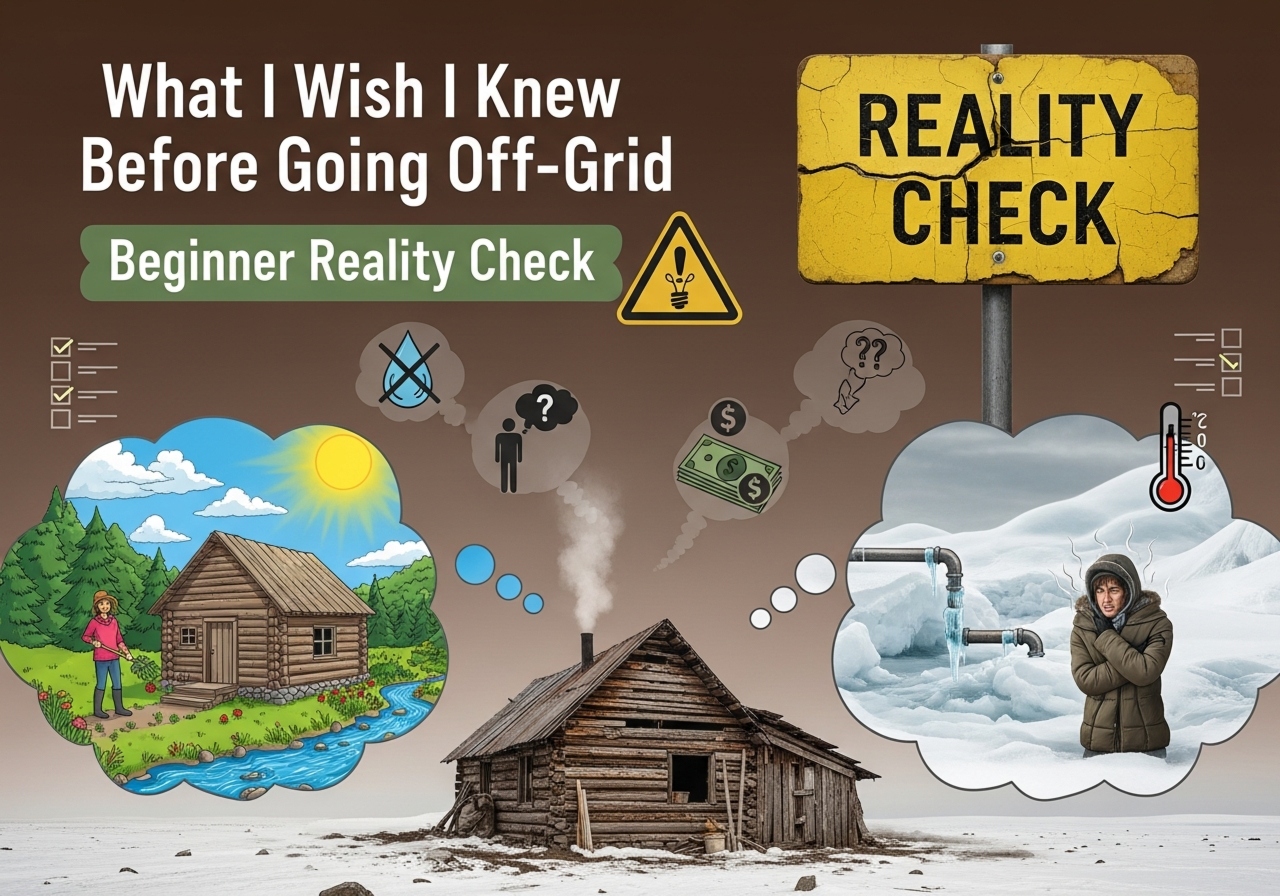
What I Wish I Knew Before Trying To Live Off‑Grid (Beginner Reality Check)
City to Off‑Grid: Common Mindset Shifts You’ll Need to Make It Work
Making the jump from urban conveniences to living off‑grid is exciting, but it also tests your assumptions. In this guide you’ll get a practical, honest look at what matters most, common mistakes people make, and the mindset shifts that make off‑grid living sustainable and enjoyable.
Why this matters
You probably imagine tranquil mornings, total independence, and a simpler life when you think about off‑grid living. That vision can be accurate, but it won’t happen automatically. Knowing what to expect ahead of time will save you time, money, and frustration.
The core mindset shifts you’ll need
You’ll need to change not just your setup but how you think about comfort, convenience, and time. These shifts shape daily choices and long-term planning, and they’ll determine whether your off‑grid life feels liberating or overwhelming.
From instant fixes to planned solutions
In the city, if something breaks you call someone or hop online for same‑day delivery. Off‑grid, you’ll often need to fix things yourself or wait longer for parts. Expect to assess problems, plan repairs, and accept temporary workaround solutions.
From abundance to conservation
City utilities mask real costs and limits. You’ll need to prioritize conserving water, power, and fuel because every resource has a tangible cost in time, money, or work. Conservation becomes a practical lifestyle, not just an ethical stance.
From single‑task living to multi‑skill living
You’ll become the electrician, plumber, gardener, and logistics manager. You don’t need to be an expert in everything, but you’ll benefit enormously from basic competence in several trades and a willingness to learn on the job.
From instant social networks to intentional community building
Urban life gives you immediate access to friends, services, and activities. Off‑grid life requires you to cultivate relationships with close neighbors, trade skills, and sometimes share resources. Building trust and reciprocal support takes deliberate effort.
From predictable schedules to seasonal rhythms
City routines are largely constant year‑round. Off‑grid life follows seasons: harvesting, maintenance, winterizing, and downtime. You’ll need to plan your big projects around weather and daylight.
Location and land: what you really need to know
Choosing the right parcel of land is one of the most important decisions you’ll make. Location affects microclimate, water availability, solar potential, access to services, and legal constraints.
Climate and microclimate considerations
Microclimates can vary dramatically over short distances. You’ll want to research average temperatures, frost dates, rainfall, wind patterns, and sun exposure. Those factors dictate your choices for crops, heating needs, and solar or wind systems.
Water availability and legal rights
Water is central. Confirm whether the property has reliable groundwater, a spring, or access to a legal surface water source. Understand local water rights and regulations—what you think is usable may be restricted legally.
Access and proximity to emergency services
Remote properties often mean longer response times for emergencies. Consider road access, cell coverage, and distance to hospitals, fire departments, and stores. Plan for self‑reliance during the first critical hours after an incident.
Zoning, permits, and local regulations
You’ll need to check zoning, building codes, septic restrictions, and off‑grid allowances ahead of purchasing land. Some areas have strict rules on tiny homes, composting toilets, or renewable energy arrays.
Power systems: options, realities, and tradeoffs
Power is the backbone of modern comfort. You’ll likely mix systems to meet needs and budget. Understand the tradeoffs and realistic performance you can expect from each option.
Solar PV systems
Solar is the most common off‑grid power source because it’s scalable and reliable in many climates. You’ll need panels, charge controllers, battery storage, and inverters. Solar output varies with season and weather, so battery capacity and backup generation are critical.
Wind turbines
Wind can supplement solar, especially in consistently windy sites. Small turbines require steady average wind speeds to be cost‑effective and need proper siting and maintenance. Turbines can perform well in winter when solar drops, but they’re more mechanically complex.
Micro‑hydro
If you have a flowing stream with reliable year‑round flow, micro‑hydro provides continuous power and can require less battery storage. It’s site specific and often the most consistent renewable option if conditions are right.
Generators and hybrid setups
Generators (propane, diesel, or gasoline) provide backup and can be economical for occasional use. Many systems combine solar with a generator for winter or cloudy periods. You’ll need safe fuel storage and an attachment strategy for battery charging.
Batteries and storage realities
Battery storage is expensive and requires ongoing maintenance. Lithium batteries last longer but cost more upfront; lead‑acid is cheaper initially and needs regular water checks and equalizing. Size your battery bank based on realistic consumption and days of autonomy you want.
Typical pros and cons table
| Power Option | Pros | Cons | Best for |
|---|---|---|---|
| Solar PV | Scalable, low maintenance, widely available | Variable output, requires batteries | Sunny to moderate climates |
| Wind | Produces at night/winter, complements solar | Site dependent, mechanical maintenance | Windy sites |
| Micro‑hydro | Continuous power, efficient | Requires reliable stream and permits | Properties with year‑round flow |
| Generator | Reliable backup, high power | Fuel costs, noise, maintenance | Backup or high‑demand periods |
Water systems: securing, storing, and treating water
Water is life and must be planned as a system: source, storage, treatment, and distribution. Each step needs redundancy and realistic maintenance plans.
Sources: well, spring, rainwater, and haul
Wells and springs offer on‑site sources but require testing for yield and contaminants. Rainwater harvesting is versatile but seasonal; it’s vulnerable to drought. Hauling water is a fallback but unsustainable long term unless you plan for it.
Storage and pressure systems
You’ll need storage tanks and a pressurization method—pressure tanks with pump systems or gravity-fed systems. Plan for freezing in cold climates with insulation or burying tanks.
Treatment and testing
Test for bacteria, nitrates, heavy metals, and other contaminants. Use filtration, UV, chlorination, or boiling as appropriate. Treatment requirements depend on the source and intended use (drinking vs. irrigation).
Water usage habits and conservation
You’ll change water usage habits: collect greywater for irrigation, install low‑flow fixtures, and practice mindful laundry scheduling. Conserving water reduces the need for oversizing infrastructure and reduces stress on your supply.
Waste and sewage: septic, composting, and disposal
Handling human and household waste off‑grid is both a technical and community issue. Your choices impact health, environment, and neighbor relations.
Septic systems
Septic systems are common and effective when installed and maintained correctly. Soil percolation tests, proper sizing, and periodic pumping are necessary. You’ll need to understand local regulations and setbacks from wells and water bodies.
Composting toilets and urine diversion
Composting toilets reduce water use and can create usable compost if managed well. They require a user education program and careful operation to avoid pathogens and odors. Urine diversion can reduce nitrogen load and simplify composting.
Greywater management
Greywater reuse for irrigation is efficient but sometimes regulated. You’ll need to route greywater responsibly to avoid contaminating drinking water or creating standing water that attracts pests.
Food production and storage: seasonal planning and real yields
Growing food is rewarding, but it requires realistic expectations about yields, labor, and storage.
Garden fundamentals
Start with soil testing and amendments, choose crops appropriate to your climate, and plan for succession planting. Perennial crops and hardy staples (potatoes, beans, squash) give reliable yields.
Orchards, berries, and food forests
Trees and shrubs take years to mature but return consistent harvests with less annual labor. You’ll need to plan spacing, pollination, and pest control.
Livestock basics
Chickens, goats, and bees are common starter animals that can provide eggs, milk, and pollination. Larger livestock require pastures, infrastructure, feed, and veterinary planning.
Food storage and preservation
You’ll want canning, drying, root cellars, freezing, and fermentation for long‑term storage. Invest in airtight containers, fermentation crocks, and basic canning equipment to reduce food waste and seasonal vulnerability.
Communications and connectivity
Staying connected matters for safety, work, and social life. Plan your internet and phone strategy before you move.
Cellular and satellite options
Check cell coverage at different times of day and year. Satellite internet (including low earth orbit services) has improved but can be expensive with latency issues. Consider a combination of cellular boosters and satellite backup.
Radio and emergency communications
HAM radio or GMRS provides emergency communications independent of commercial networks. Learn the basics and connect with local operators for backup.
Tools, supplies, and workshop basics
You’ll use tools more often than you expect. Having a well-equipped workshop and the right tools saves time and money.
Must‑have tools
A reliable set of hand tools, power tools, welding gear (optional), plumbing supplies, and electrical testers are essential. Quality over quantity: good hand tools will outlast cheap power tools.
Spare parts and consumables
Keep spare parts for critical systems: pump seals, fuses, inverter parts, pipe fittings, and basic electrical components. Consumables like batteries, fuel, and lubricants should be stocked responsibly.
Budgeting and realistic costs
Going off‑grid can be cheaper long term, but upfront costs are often substantial. You need a realistic budget that includes contingency funds.
Upfront vs ongoing costs
Upfront: land purchase, infrastructure (wells, septic, solar), shelter, and basic equipment. Ongoing: fuel, parts replacement, maintenance, property taxes, and insurance. Plan for a buffer—at least 20–30% contingency.
Typical cost ranges (very general)
Costs vary widely by location and scale; use this as a rough guide for basic setups. Adjust for local prices, DIY labor, and upgrades.
| Item | Low end (DIY/minimal) | Typical mid-range | High end (professionally installed) |
|---|---|---|---|
| Solar + batteries | $5,000 | $20,000 | $50,000+ |
| Well drilling | $3,000 | $8,000 | $20,000+ |
| Septic system | $3,000 | $8,000 | $15,000+ |
| Off‑grid cabin build | $10,000 | $60,000 | $200,000+ |
| Backup generator | $500 | $3,000 | $10,000+ |
Time and labor realities
You’ll spend more time on home upkeep and food production than you expect. Off‑grid living trades money for time, but that balance needs to be intentional.
Daily time commitments
Daily chores include water management, firewood or heating, animal care, and basic maintenance. Those tasks become part of your daily rhythm and should be scheduled realistically.
Seasonal projects and heavy lifts
Plan for major seasonal jobs: chopping and stacking wood, winterizing, roof maintenance, and harvesting. These jobs are often physically demanding and should be scheduled with backup help when possible.

Safety, emergencies, and redundancy
Off‑grid living requires additional planning for safety and emergency preparedness. Redundancy is the key word.
Redundancy planning
Design systems with backups: multiple water storage tanks, an alternate heating source, and a secondary power option. Redundancy reduces the likelihood of a single point of failure becoming a disaster.
Medical preparedness
Create a well‑stocked first aid kit and take first‑aid and CPR courses. Keep a directory of local health resources and plan for medical evacuation if necessary.
Fire safety and prevention
Wildfires and structure fires are real risks. Maintain defensible space, clear combustible materials from around structures, and have multiple escape routes and fire suppression tools accessible.
Mental and emotional adjustments
Isolation and the pace of rural life can affect your mental wellbeing. Preparing for emotional realities is as important as practical preparedness.
Managing loneliness and social needs
You’ll need to intentionally maintain social connections through visits, work exchanges, or community events. Remote work, online communities, and regular trips to town can help.
Accepting unpredictability
You’ll learn to accept interruptions to your plans—broken equipment, bad weather, or delayed supplies. Flexibility and a problem‑solving attitude convert setbacks into learning experiences.
Community, neighbors, and local relationships
Your neighbors will often become your allies and suppliers of local knowledge. Building good relations is important for wellbeing and practical support.
Barter, trade, and reciprocal help
Off‑grid communities often rely on reciprocal help: sharing firewood, trading labor, and lending tools. Be ready to give as much as you receive and maintain clear expectations.
Respecting local customs and regulations
If you’re new to a rural area, take time to learn local norms, hazard management practices, and wildlife behaviors. Demonstrating respect and curiosity goes a long way.
Common beginner mistakes and how to avoid them
Mistakes are inevitable; learning from others’ missteps is valuable. These common errors show up again and again.
Underestimating water needs
Many newcomers oversize garden plans without securing reliable water. Test supply yield and plan irrigation and storage before planting large gardens.
Overreliance on a single power source
Design for redundancy and realistic seasonal output. Don’t assume solar alone will cover winter or extended cloudy periods unless you have ample storage and backup.
Skipping permits and regulatory checks
Ignoring permits can lead to fines or forced changes. Research and comply with local rules early in planning to avoid expensive retrofits.
Not having a contingency fund
Unexpected issues arise frequently. Keep a fund for replacements, medical costs, and repairs to avoid being stranded.
Practical planning checklist (starter)
A checklist keeps you focused during the transition. Tackle items in phases and don’t rush the critical ones.
| Phase | Must‑do items |
|---|---|
| Before purchase | Research zoning, water rights, road access, community, and climate data |
| Immediate after purchase | Test water, soil, and access routes; check utilities and cell coverage |
| Infrastructure | Install power system, water system, septic/composting toilet, and communications |
| Shelter and security | Make dwelling weatherproof, secure entry, and create defensible space |
| Food & supplies | Start a garden, set up storage, buy essential tools and spares |
| Ongoing | Schedule seasonal maintenance, build skills, and network with neighbors |
Learning and skill building
Knowledge is one of your most valuable assets off‑grid. Invest time in hands‑on learning and good reference materials.
Practical ways to learn
Take workshops, volunteer on homesteads, join local groups, and practice small projects before committing. You’ll gain experience without risking your main systems.
Key skills to prioritize
Plumbing basics, basic electrical and inverter knowledge, chainsaw safety, gardening, animal husbandry, and basic mechanics will cover most daily needs.
Legal and insurance considerations
You’ll need to think about liability, property insurance, and legal access to resources. Many insurers and lenders have specific requirements for off‑grid properties.
Insurance realities
Insurance for remote or nonstandard dwellings can be expensive or hard to find. Shop around and keep detailed records of improvements, equipment, and safety measures to help with underwriting.
Titles, easements, and boundaries
Confirm property lines, easements, and utility rights. Hidden easements can limit development or subject you to neighbor access across your land.
Final practical tips and common sense rules
These are condensed lessons that newcomers find useful when they’re trying to make their first off‑grid year manageable.
- Start small and scale gradually; test systems before major investments.
- Keep a detailed log of energy usage, water usage, and repairs; data helps you make better decisions.
- Create a winter survival plan months before the cold hits; practice it once.
- Build relationships with local tradespeople in advance; phone numbers are worth more than online searches when you’re remote.
- Keep mental health practices in place: hobbies, regular communication, and planned social time.
Frequently asked questions (brief answers)
This section answers recurring questions you’ll likely ask when planning your move.
How long before I’m truly self‑sufficient?
Total self‑sufficiency is rare and expensive. You can achieve significant independence in a few years with planning, but expect ongoing reliance on external supplies for some items.
Can you really do it on a small budget?
Yes, but you’ll trade convenience and time. DIY, used equipment, and incremental projects are the most budget‑friendly approaches.
What’s the single biggest regret people have?
Underpreparing for winter and underestimating water and heating needs are common regrets. Planning for the harshest season first reduces risk.
Closing thoughts
Living off‑grid can be deeply rewarding when you plan realistically and adopt the right mindset. You’ll trade some conveniences for resilience, autonomy, and a closer relationship with your environment. If you prepare with care, build skills deliberately, and foster local connections, the transition will be far smoother and more enjoyable than going in blind.
If you want, I can help you build a customized checklist and budget based on your climate, land size, and priorities.